220,000 New Electric Vehicles Registered
Market Penetration Rate Reaches 13.1%... First Time in Double Digits
Last year, the number of newly registered electric vehicles in South Korea increased by 50.1% compared to the previous year, marking a rebound after two consecutive years of negative growth. The surge in demand was driven by popular models from various manufacturers, particularly the affordable China-made Tesla Model Y.
According to the "2025 Domestic Electric Vehicle Market Review Report" released on January 20 by the Korea Automobile & Mobility Association (KAMA), the number of new electric vehicle registrations last year reached 220,177 units.
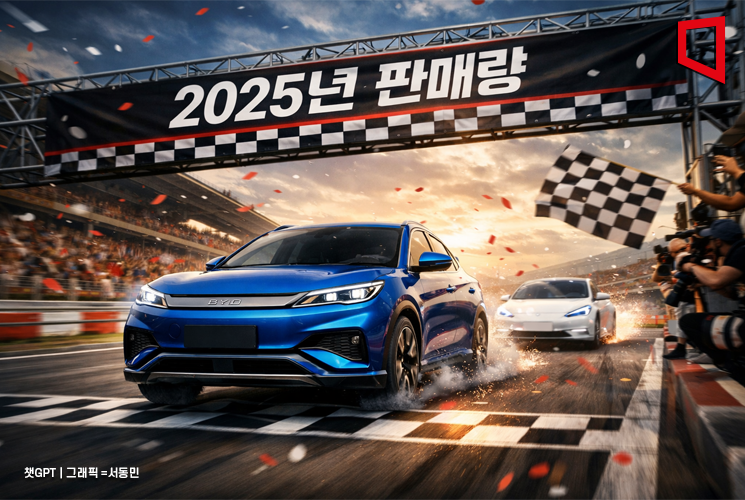
The electric vehicle penetration rate (share of total vehicle purchases) reached 13.1%, surpassing double digits for the first time. The association attributed the market rebound to the early disbursement of government subsidies, policy support, intensified promotional competition among manufacturers, and the expansion of new model launches.
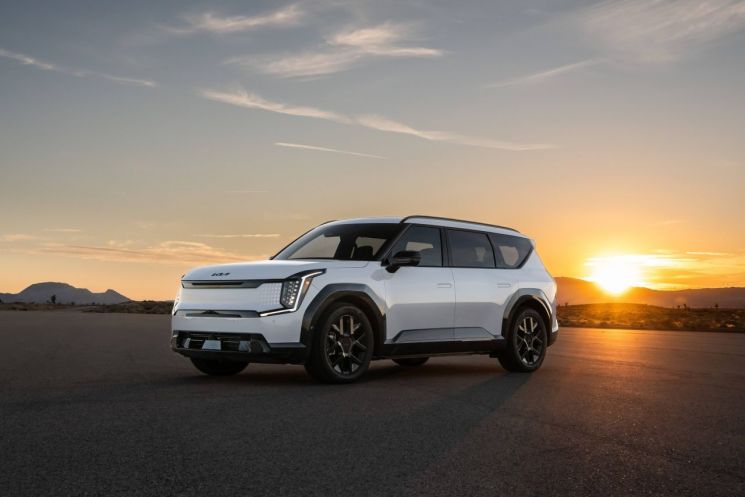
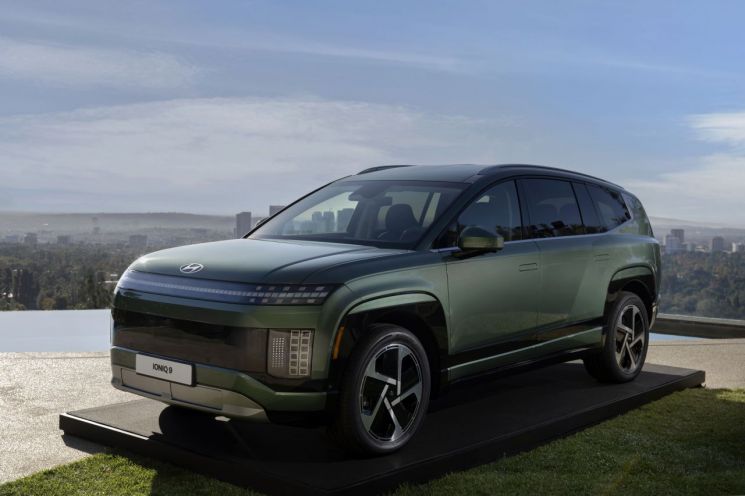
Notably, the Tesla Model Y sold 50,397 units last year, capturing a 26.6% share of the passenger electric vehicle market. Hyundai Motor Company and Kia contributed to market expansion by successively launching new models such as the EV4, EV5, EV9 GT, PV5, and Ioniq 9. KG Mobility attracted new demand by releasing the Musso EV, the nation’s first electric pickup truck.
By manufacturer, Kia (60,609 units), Tesla (59,893 units), and Hyundai (55,461 units) led the market, resulting in a three-way competition. The share of imported electric vehicles expanded rapidly, with imports accounting for 42.8% of the market. The market share of domestically produced electric vehicles declined from 75% in 2022 to 57.2% in 2025.
Among European brands, BMW (7,729 units), Volkswagen-Audi (6,674 units), and Porsche (3,625 units) saw growth, while Mercedes-Benz (2,072 units) experienced a second consecutive year of declining sales following a fire incident in 2024.
Sales of China-made electric vehicles surged, largely due to the inflow of Tesla's China-produced models and the successful entry of new brands such as BYD and Polestar. Sales of China-made electric vehicles increased by 112.4% year-on-year to 74,728 units, strengthening their presence in the market. The association noted, "The proliferation of China-made electric vehicles has positive aspects, such as expanding consumer choice and lowering prices," but also warned, "Given the competitive pressure on domestic manufacturing bases and supply chains, a mid- to long-term response is necessary."
Regional electric vehicle penetration rates varied widely depending on the size of subsidies and the availability of charging infrastructure. North Gyeongsang Province recorded the highest penetration rate at 16.2%, supported by subsidies of up to 11 million won, while Seoul lagged behind the national average (13.1%) at 12.8% due to a lack of charging infrastructure in apartment complexes and relatively lower subsidies.
Jeju Island, benefiting from both infrastructure and subsidy advantages, saw a personal purchase penetration rate of 33.1%, meaning one in three residents chose an electric vehicle.
The association assessed that the growth was not a structural change in demand, but rather the result of the popularity of certain models combined with policy support. It also stressed that the government must play a greater role in achieving the Nationally Determined Contribution (NDC) for greenhouse gas reduction and securing industrial competitiveness.
KAMA Chairman Kang Namhoon emphasized, "To protect the domestic automotive industry ecosystem against the aggressive expansion of China-made electric vehicles, effective support measures such as a 'domestic production promotion tax system' are needed. As autonomous driving and AI, exemplified by the introduction of Tesla's FSD in Korea, are emerging as key factors in electric vehicle purchases, joint efforts between the public and private sectors to develop technology and establish institutional foundations are more important than ever."
© The Asia Business Daily(www.asiae.co.kr). All rights reserved.



















