Impact of Chilled China-Japan Relations
Panda-Keeping Era Ends After 54 Years
Uncertainty Over Resuming Panda Loans with China
The last two giant pandas remaining at Ueno Zoo in Japan are scheduled to return to China on January 27. With the return of these pandas, Japan will conclude its 54-year history of housing giant pandas, which began after the normalization of diplomatic relations with China in 1972.
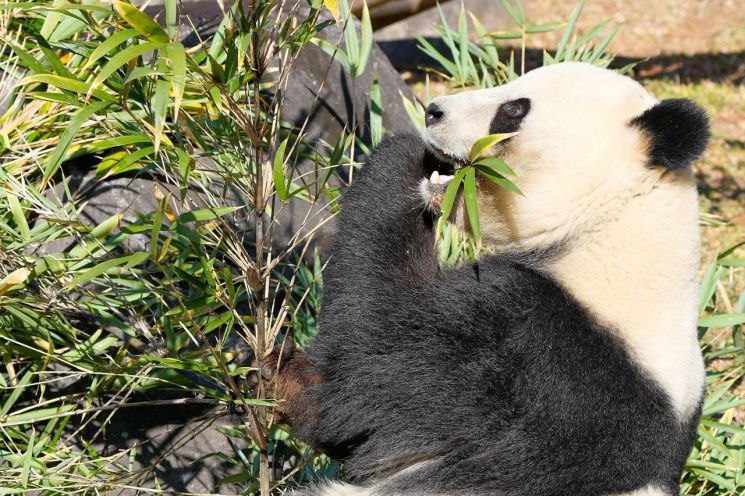
On January 20, Yonhap News, citing an announcement from the Tokyo Metropolitan Government, reported that the male panda 'Xiao Xiao' and the female panda 'Lei Lei', both born at Ueno Zoo, will be sent back to China via Narita Airport on the 27th of this month.
The two pandas are twin siblings born at Ueno Zoo in June 2021. Their parents, 'Ri Ri' and 'Shin Shin', were already returned to China in September 2024. The pandas will be on public display until January 25, but online viewing applications have already closed. With this return, all giant pandas in Japan will be gone.
Japanese media outlets such as Kyodo News recently noted that, following remarks by Economic Security Minister Sanae Takaichi regarding a potential Taiwan contingency, relations between China and Japan have cooled. They reported that negotiating a new panda loan agreement with China will be difficult for the time being. China has long maintained its 'panda diplomacy,' lending its native endangered giant pandas to friendly countries.
Most pandas are loaned for a set period, and cubs born overseas are typically returned to China at around four years old, which coincides with the age at which they can naturally breed. At this time, China brings the pandas back to participate in breeding and conservation programs at the panda breeding and research center in Chengdu, Sichuan Province, taking genetic diversity into account.
Furthermore, such measures are strictly enforced because the Chinese government regards pandas as national assets and operates the genetic preservation and breeding management program as a matter of policy. The Chinese government rigorously manages the timing of returns and applies these rules without exception, even during periods of diplomatic tension. The recent return of pandas from the United States, Germany, and Japan can be interpreted as a result of contract expirations as well as changes in political and diplomatic circumstances.
© The Asia Business Daily(www.asiae.co.kr). All rights reserved.












