Adverse Effects on Respiratory and Cardiovascular Health
Avoid Going Out If Possible and Practice Good Personal Hygiene
Recently, Mr. A, a man in his 40s who has been enjoying the variety show "Extreme84" currently airing on MBC, was inspired by the passion of Kian84 and the running crew. He set a new year’s goal to run a half marathon and began running in a nearby park a few days ago.
Despite the cold weather, Mr. A diligently practiced running, but had to stop due to an unexpected problem. The reason he stopped running was fine dust.
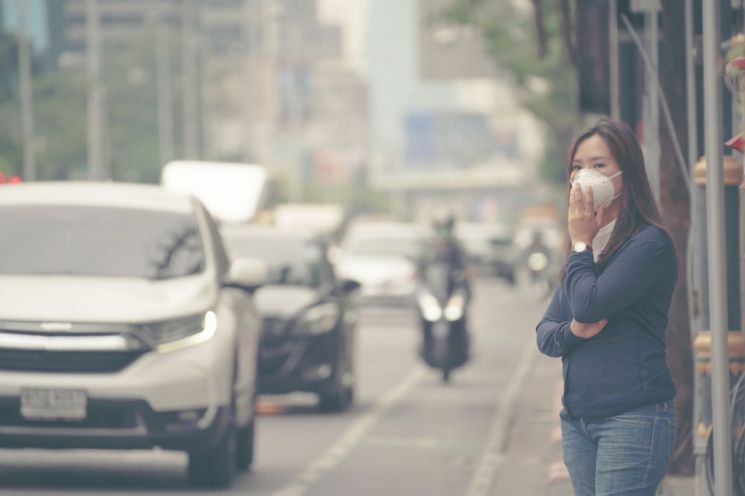
As of January 16, except for Yeongdong in Gangwon Province, the concentration of fine dust nationwide is at a "bad" level, with air quality being very poor in most regions. Fine dust originating from abroad, combined with domestically generated fine dust, is unable to disperse due to stagnant air, making it necessary to take special precautions during outdoor activities. The Korea Meteorological Administration expects the daily average fine dust concentration to remain at a "bad" level through the weekend.
Fine dust, which consists of particles smaller than 10 micrometers (㎛), is made up of various complex substances floating in the air. It is mainly produced by automobile exhaust and factories burning fossil fuels such as coal and oil. It affects Korea not only from domestic sources but also from overseas, including China, often arriving together with yellow dust.
If fine dust enters the body through the respiratory tract, it can cause inflammatory reactions in various organs. People with pre-existing conditions, especially those with respiratory or cardiovascular diseases or asthma, should be particularly cautious as fine dust can worsen their existing illnesses.
Asthma, a chronic allergic inflammatory disease of the airways, is characterized by sudden, repeated symptoms such as shortness of breath, coughing, and wheezing due to narrowing of the bronchial tubes in the lungs. When asthma patients inhale fine dust, it can worsen existing symptoms and reduce lung function. In severe cases, it may trigger an asthma attack, leading to an emergency situation.
If you have asthma, you must always carry a reliever medication when going out. Make sure you are familiar with how to use it, wear a mask, and avoid areas with high fine dust levels such as construction sites, industrial areas, places with heavy traffic, and crowded rush hour periods. Monitor your symptoms closely, and if you notice worsening symptoms such as shortness of breath or chest tightness, be sure to visit a medical facility.
According to data from the Ministry of Health and Welfare, the number of elderly asthma patients aged 60 and over increases significantly from January to March each year, with higher rates of hospitalization and mortality. This indicates that special attention is needed during winter, when cold and dry weather persists.
Fine dust also affects the cardiovascular system. When fine dust is absorbed into the blood vessels through the respiratory tract, it supplies reactive oxygen species to various organs in the body, accelerating cell aging and increasing inflammatory responses. This can lead to cardiovascular symptoms such as chest pain, palpitations, chest tightness, and shortness of breath. It can also worsen underlying conditions such as hypertension, atherosclerosis, and ischemic heart disease, and increase mortality rates, so caution is necessary.
Fine dust can also affect the skin and eyes, causing symptoms such as skin itching, skin irritation, skin allergies, dry eyes, and allergic conjunctivitis. Although it is commonly believed that fine dust is worse in spring, in winter, fine dust tends to remain near the ground for longer periods, so extra caution is needed.
Jo Jongdae, Chief Medical Officer (Internal Medicine Specialist) at Ulsan Elijah Hospital, says, "Fine dust has been classified as a Group 1 carcinogen by the World Health Organization, and it is predicted that the number of deaths caused by fine dust could reach several million, making it a serious health hazard." He advises, "If the fine dust concentration is at a bad level, even healthy people should refrain from going out. In particular, people with respiratory diseases such as asthma, the elderly, and children should avoid outdoor activities altogether."
He also emphasizes, "When going out, it is better to breathe through your nose rather than your mouth, as the nose helps filter out dust. Avoid eating food prepared outdoors, as it may be contaminated with fine dust. If you must go out, it is very important to practice personal hygiene, such as brushing your teeth and thoroughly washing your face, hands, and feet after returning home."
© The Asia Business Daily(www.asiae.co.kr). All rights reserved.
!["The Woman Who Threw Herself into the Water Clutching a Stolen Dior Bag"...A Grotesque Success Story That Shakes the Korean Psyche [Slate]](https://cwcontent.asiae.co.kr/asiaresize/183/2026021902243444107_1771435474.jpg)
















