Winner of 'Black and White Chef 2': A Victory of Self-Reflection
A Rough Confession Offered with Leftover Ingredients
An Era of Erasing Ourselves for Others...
Comfort for Wounded Self-Employed Workers
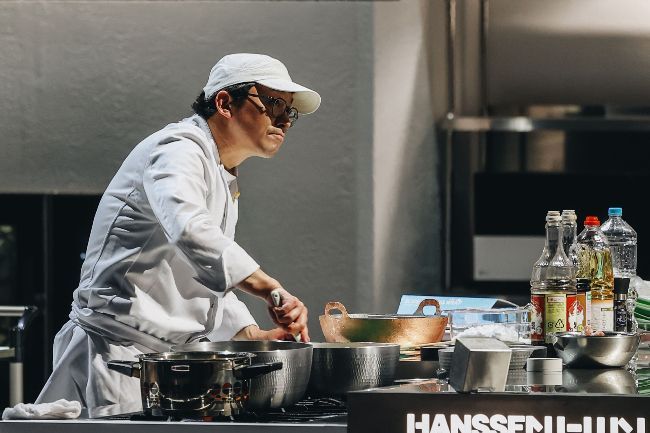
For a chef, cooking is an act of service for others’ palates. One must set aside personal desires to fulfill the satisfaction of others. As a result, the self is always pushed to the back of the kitchen, and only the outcome meant for the guest is presented at the table.
Netflix’s “Black and White Chef: Culinary Class War” Season 2, which concluded on January 13, shook this steadfast unwritten rule. What winner Choikangrok placed on his final plate was not a secret weapon to defeat his rivals. Instead, it was his own self, suffocating under the weight of others’ expectations, and the “shadow” of countless self-employed individuals who, even today, are forced to shutter their businesses.
“Why do you want to give this dish to yourself?” When asked this question by the judges, Choikangrok remained silent for a while. The answer he eventually gave, though hesitant, was not an excuse but an honest confession as a chef.
“I am a ‘braised human.’ I pretended to be good at braising, even though I wasn’t. I studied, I worked hard, but there was a life I lived just to pretend. I didn’t want to do that, even when cooking for myself. I wanted to give myself comfort.”
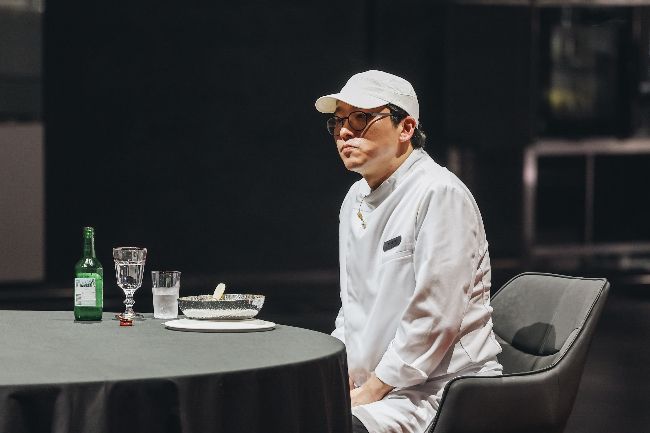
“I lived pretending”…A Rough Tribute from Discarded Ingredients
This unpolished monologue was sincere. From the ingredient selection stage, his personal confession expanded into a metaphor for the weary workers of this era. The remnants left behind in the kitchen were called back into the pot.
Pumpkin leaves and kelp are typically sacrificed and discarded for the sake of umami. Chicken bones, which serve as the base for broth, are the remains after all the “product”-the meat-has been taken. Added to this, sea urchin roe symbolized the anxiety of the self-employed: if its freshness declines even for a day or two and it cannot be served to customers, the owner is forced to consume it themselves-such is the fate of “leftover stock.”
The highlight was the tofu. Instead of serving cold, firm sesame tofu, he broke it up into a hot soup. The image evoked was of a lonely, empty restaurant after closing, where leftover, chilled tofu is hastily reheated and eaten in solitude.
Choikangrok gathered these ingredients, which had seemingly outlived their usefulness, and revived them into the warmest bowl possible. By simmering what was about to be discarded, he embraced his own worn-out soul, exhausted from pretending for others. What the judges tasted was not simply a balance of flavors, but the comfort of a night in which a self-employed person on the edge tries to care for themselves.
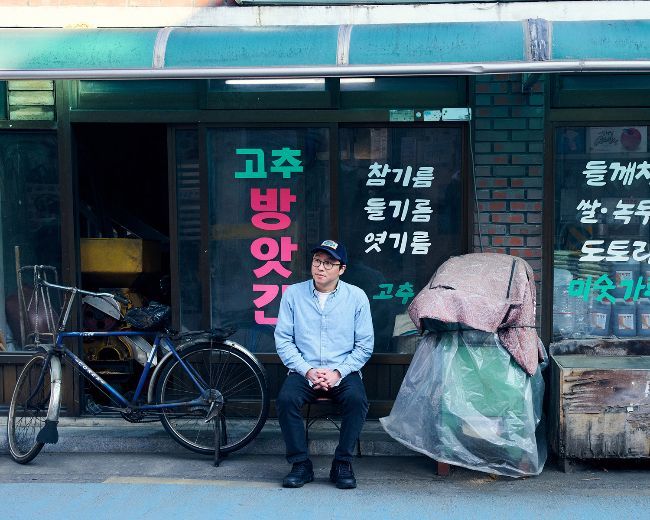
The Age of Disposability…Choosing “Essence” Over “Proof”
Modern people are trapped by the obsession to “prove” themselves. They despair while watching the edited lives of others and perform exaggerated happiness to avoid falling behind. Amid this suffocating fatigue, Choikangrok chose a paradox. With a trembling voice, he confessed his shortcomings and embraced the neglected ingredients without hesitation. He quietly demonstrated that, though not glamorous, even ingredients that have served their purpose can yield deep flavors if simmered with time.
At the moment his victory was confirmed, he did not celebrate. “I am not someone who makes extraordinary food. I am simply doing the same work as chefs quietly working across the country.”
This was not humility for show. He understood that, in front of the cutting board, there is no distinction between winner and loser-only colleagues enduring the grueling labor of cooking. Thanks to this, the narrative of competition in this “class war” concluded not with victory or defeat, but with mutual recognition of each other’s sweat and effort.
Viewers saw through him that there is no need to live pretending just to keep pace with the world. Even if a day is left behind like unsold stock, life still holds enough value. This is the rough yet sincere tribute that Choikangrok, the “braised human,” offers to weary souls.
© The Asia Business Daily(www.asiae.co.kr). All rights reserved.



















