Mungyeong Quality Management Service Warns of "Exclusion Risk" from Direct Payments and Subsidy Programs
for Failure to Report Winter Crop Changes
As winter crop cultivation is in full swing, there is a growing need to review and update the registration information of agricultural management entities.
If changes in cultivated crops are not properly registered, farmers may face disadvantages in receiving various forms of agricultural support.
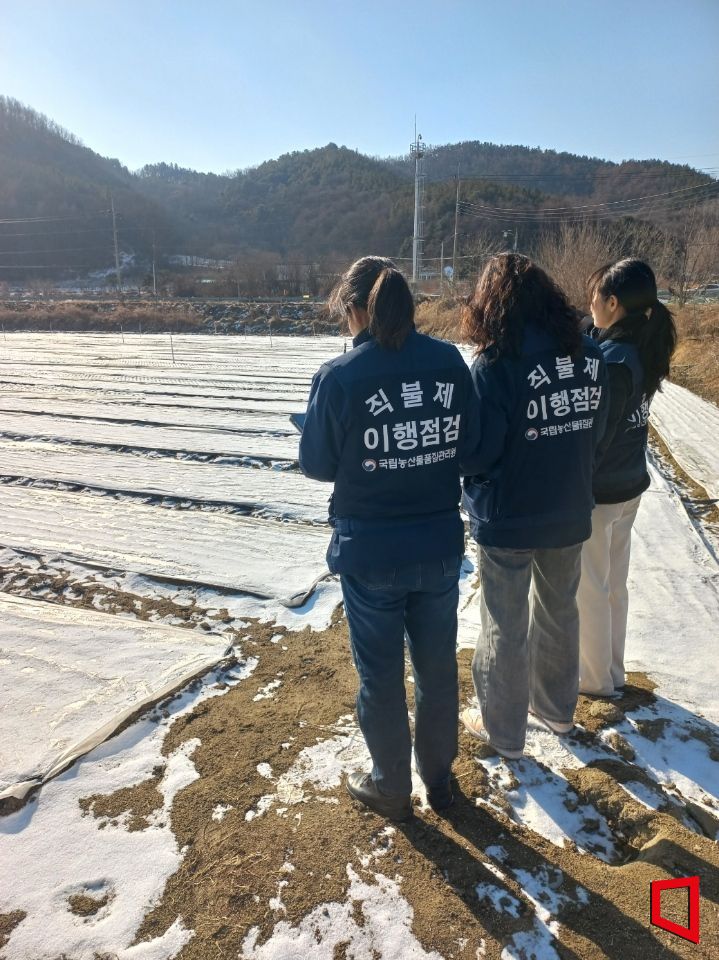 Mungyeong Agricultural Products Quality Management Service Operates Regular Reporting Period for Winter Crop Changes
The Mungyeong Office of the National Agricultural Products Quality Management Service announced that it will operate a "Regular Reporting Period for Winter Crop Changes" for agricultural management entities cultivating winter crops, from December 16, 2025, to March 13, 2026.
Registering as an agricultural management entity is a basic requirement for receiving loans, subsidies, and direct payments in the agriculture and rural sectors.
According to the Act on Fostering and Supporting Agricultural and Fisheries Business Entities, key information such as farmland and cultivated crop types must be registered, and any changes to this information must be updated accordingly.
In particular, information on cultivated crop types serves as a key reference for core policies such as agricultural input support, crop disaster insurance enrollment, self-help fund projects, and the calculation of public interest direct payments. If the registered information does not match the actual farming activities, farmers may be excluded from support programs or see their direct payments reduced, resulting in tangible losses.
Currently, as this is the peak season for cultivating winter crops such as garlic, onions, wheat, barley, and forage crops, the Quality Management Service has designated this period as the regular reporting period for changes and is actively promoting and guiding farmers.
Changes subject to reporting include not only changes in cultivated crop types but also the addition or removal of farmland. Reports can be filed by phone, online (through the Agricultural e-Ji website), by mail, or by fax to the local Quality Management Service office in charge of the address.
Kim Seonjae, head of the Mungyeong Office, stated, "Voluntarily updating registration information is the most effective way to prevent disadvantages for farmers and to ensure the accuracy of agricultural management entity records," and urged active participation from households cultivating winter crops.
© The Asia Business Daily(www.asiae.co.kr). All rights reserved.
![Clutching a Stolen Dior Bag, Saying "I Hate Being Poor but Real"... The Grotesque Con of a "Human Knockoff" [Slate]](https://cwcontent.asiae.co.kr/asiaresize/183/2026021902243444107_1771435474.jpg)
















