High Exchange Rate Drives Up Domestic Fuel Prices
Beware of Embezzlement and Other Risks in Fuel Coupon Transactions
Hwang Hyunjun, a 30-year-old office worker who commutes about 60 kilometers round trip by car every day, has recently been frequenting secondhand trading platforms due to the sharp rise in fuel prices. He does so to purchase mobile fuel coupons or prepaid fuel vouchers offered by individuals at prices lower than the current market rate. Hwang said, "My car is not very fuel-efficient, so I started trading fuel coupons to save even a little money."
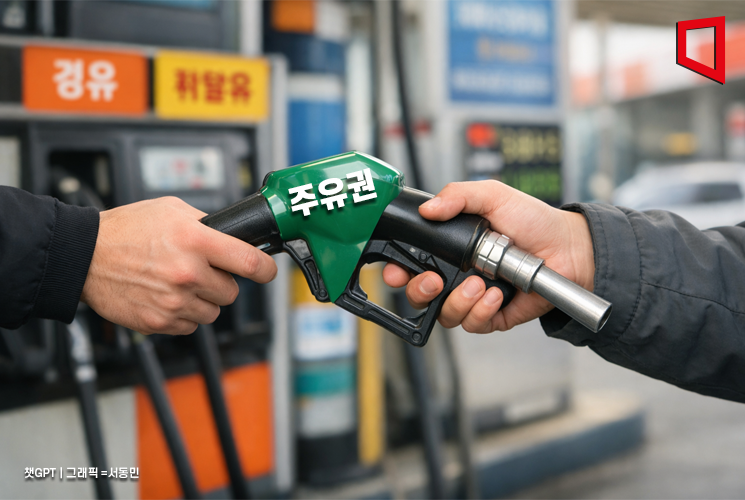
On January 14, a search for "fuel coupons" on secondhand trading platforms showed that hundreds of posts for various fuel coupons and vouchers had been uploaded in the past month. The methods vary, including reselling coupons received from corporate events or transferring prepaid fuel vouchers purchased when fuel prices were relatively low. There are even irregular trading methods where buyers and sellers meet in person at a gas station, the seller pays with their card, and then receives cash from the buyer.
The reason for the booming secondhand market for fuel coupons is the burden of soaring oil prices. Although international oil prices have shown a slight downward trend this year, the real cost felt by consumers remains high. According to the "Consumer Price Trends for December 2025 and Annual Report" released by the National Data Office (formerly Statistics Korea), petroleum product prices rose by 6.1% year-on-year, driving overall inflation. By item, diesel prices increased by 10.8% and gasoline by 5.7%, showing particularly sharp rises.
In particular, the rapidly rising exchange rate has been identified as a major factor pushing up domestic fuel prices. Even if international oil prices are stable, high exchange rates prevent import prices from falling.
Consumers are also advised to exercise caution when trading fuel coupons. There have been frequent cases of fraud, where scammers lure buyers with prices far below market value, induce payment, and then disappear. In addition, if a salesperson prepays for fuel coupons using a company corporate card and then converts them into cash, this could constitute "embezzlement in the course of work."
Choi Cheol, a professor of consumer economics at Sookmyung Women's University, said, "Currently, the burden of fuel prices is being driven more by the rise in exchange rates than by a surge in international oil prices. While consumers are turning to secondhand trading as a survival strategy, transactions involving corporate cards can lead to criminal offenses, so both sellers and buyers should exercise particular caution."
© The Asia Business Daily(www.asiae.co.kr). All rights reserved.
![Clutching a Stolen Dior Bag, Saying "I Hate Being Poor but Real"... The Grotesque Con of a "Human Knockoff" [Slate]](https://cwcontent.asiae.co.kr/asiaresize/183/2026021902243444107_1771435474.jpg)
















