Fulfilling the 8th Administration's Pledge: A Complex Residential Space with 137 Units and Welfare Facilities
A Total Investment of 19.9 Billion KRW Including National Funds
Gyeongju Presents a Residential Welfare Model for a Super-Aged Society
On January 12, the city of Gyeongju held a completion ceremony for the "Hwangseong Senior Welfare Housing" project at Yurim-ro 13beon-gil in Hwangseong-dong, marking the launch of a new residential space that combines housing and welfare for senior citizens.
The ceremony was attended by Mayor Joo Nakyoung, Council Chair Lee Donghyeop, city and provincial council members, heads of local organizations and institutions, as well as about 150 residents of Hwangseong-dong. Attendees shared updates on the project and toured the facility.
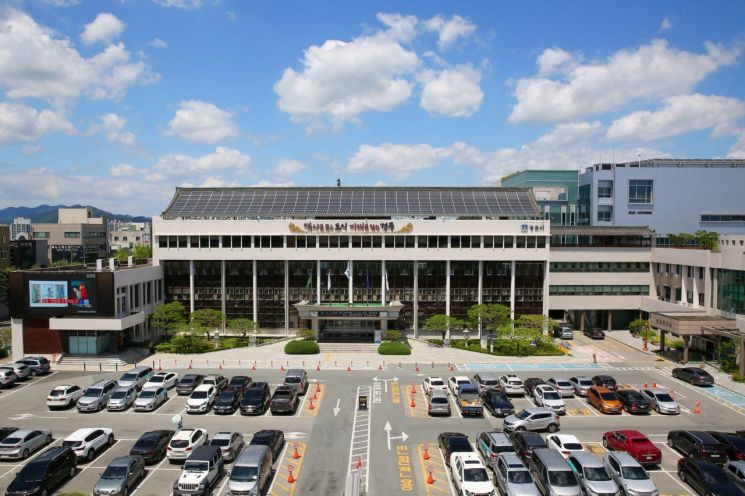
The Hwangseong Senior Welfare Housing project is a senior residential welfare initiative promoted as a pledge of the 8th popularly elected administration, with a total investment of 19.9 billion KRW.
After being selected as a Ministry of Land, Infrastructure and Transport public project in 2020, construction began in 2023 and was completed in November last year, with residents moving in at that time.
This welfare housing consists of one 15-story building with a total of 137 units: 109 units of 26 square meters (including 16 shared units) and 28 units of 36 square meters.
In particular, in addition to residential spaces, the facility features 1,474 square meters of welfare amenities, including a multipurpose auditorium, fitness room, and program rooms, supporting daily care, leisure, and health management for senior citizens.
In his commemorative address, Gyeongju Mayor Joo Nakyoung stated, "The Hwangseong Senior Welfare Housing is the result of listening to citizens' voices in order to improve the quality of life for each and every senior citizen. It is a core residential welfare policy aimed at creating a happy and healthy city where all citizens, including seniors, can thrive together."
Meanwhile, the city of Gyeongju plans to use this completion as an opportunity to gradually expand sustainable residential welfare policies that respond to a super-aged society by linking customized housing supply for seniors with community-based welfare services.
© The Asia Business Daily(www.asiae.co.kr). All rights reserved.

















