Oxford University Study Finds
Weight Regain Likely Within Two Years
After Losing Weight with GLP-1 Anti-Obesity Medications
A study has found that a significant number of people who stop taking obesity medications such as Wegovy for weight loss regain their pre-treatment weight within two years. The rate of weight regain in these cases is much faster than what is observed when discontinuing diet or exercise programs.

According to CNN on January 8 (local time), researchers at the University of Oxford reported in the British Medical Journal (BMJ) that individuals who discontinued GLP-1 (glucagon-like peptide-1) class obesity medications tended to experience rapid weight regain, with many likely to return to their original weight within about two years.
The research team analyzed 37 previous studies involving more than 9,300 adults and found that while participants lost an average of 15-20% of their body weight during medication use, their weight quickly increased after stopping the medication. The monthly rate of weight regain after discontinuing the medication was approximately 0.3 kg faster than when stopping diet or exercise programs.
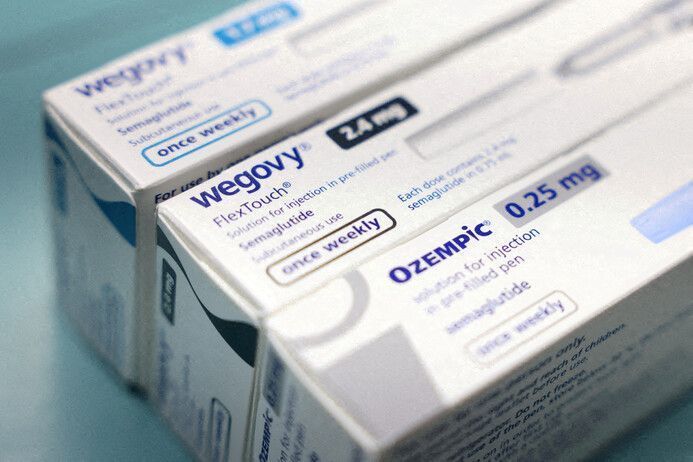
GLP-1 is a hormone naturally produced in the body that signals satiety to the brain and stomach, helping to reduce food intake. Medications in this class increase insulin secretion to lower blood sugar levels and slow the passage of food through the digestive tract, prolonging the feeling of fullness. They act on the brain to suppress appetite.
Representative GLP-1 class medications include Ozempic, Wegovy, Mounjaro, and Zepbound. These drugs have been recognized for their significant weight loss effects.
"Obesity Is a Disease Prone to Relapse"
Sam West, a postdoctoral researcher at the Nuffield Department of Primary Care Health Sciences at the University of Oxford and the lead author of the study, explained, "This is not a failure of the medication but rather a reflection of the chronic and relapsing nature of obesity. The study serves as a warning against expecting to manage weight with only short-term medication use."
Adam Collins, Associate Professor of Nutrition at the University of Surrey, who was not involved in the study, described it as "a timely and important paper." He noted that weight regain is common with all weight loss methods, but the issue appears to be more pronounced after using GLP-1 class medications.
Associate Professor Collins explained that supplying artificially high levels of GLP-1 over a long period may reduce the body's natural GLP-1 secretion or sensitivity. He said, "There are no issues while taking the medication, but the moment you stop, the risk of overeating can increase significantly." He added, "As with addiction, quitting abruptly is very difficult, and if you relied solely on medication without behavioral changes during the weight loss process, the rebound can be even greater."

However, some experts point out that these findings are estimates based on limited data. Marie Spreckley, an obesity researcher at the University of Cambridge, noted that the observation period after discontinuing the latest medications was only about 12 months, so conclusions about full weight regain within two years are based on projections rather than direct observation.
Spreckley stated, "This once again demonstrates the need for long-term planning in obesity management," and added, "If medications are discontinued, ongoing nutritional and behavioral management must be combined, and the potential reduction in cardiovascular and metabolic benefits as weight increases should also be considered."
Sharp Increase in GLP-1 Obesity Medication Use... "Beware of Muscle Loss"
The use of GLP-1 class obesity medications has surged in recent years. It is estimated that over 15 million people in the United States alone are currently taking these drugs for weight loss. A study published in January this year also suggested that these medications may reduce the risk of addiction, mental illness, infections, certain cancers, and dementia.

However, weight loss through appetite suppression can also lead to a decrease in muscle mass as well as body fat, which is a key point of caution. According to research, 15-60% of the weight lost may be muscle mass. Therefore, experts recommend that people taking GLP-1 class medications should incorporate strength training at least once a week as part of their exercise routine.
© The Asia Business Daily(www.asiae.co.kr). All rights reserved.



















