Gyeonggi Housing and Urban Development Corporation (GH) will reorganize its structure from the current "6 divisions, 34 departments, and 101 teams" to "6 divisions, 29 departments, and 90 teams" effective January 12. Along with this organizational restructuring, GH will also conduct regular personnel appointments.
The core of this restructuring is "function-centered and field-oriented organizational innovation." In response to rapidly changing internal and external environments, GH aims to swiftly implement key government policy projects such as the 3rd phase new towns and housing projects, thereby supporting government policies while dramatically enhancing fiscal soundness through organizational efficiency.
To achieve this, GH will transition to a structure based on major functions, including the Urban Project Division (land and urban development), Housing Project Division (housing construction), and Rental Housing Division (supply and operation of rental housing).
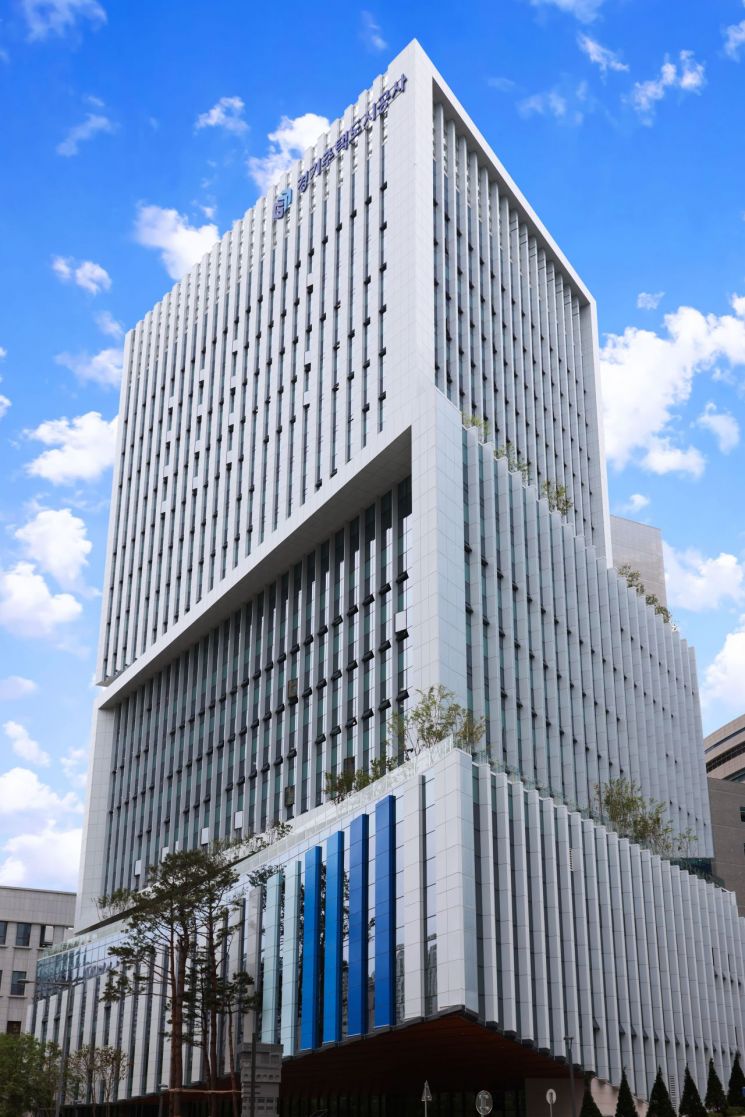
In particular, to accelerate project execution and strengthen field responsiveness, GH will introduce a "four-region project group" system. This field-oriented management system will integrate and manage the entire project value chain-from planning, compensation, and development to sales-across four regions: East, West, South, and North.
Additionally, GH will enhance operational efficiency by adjusting overlapping functions and establishing dedicated teams for key projects.
The company will integrate previously dispersed functions such as industrial complexes, urban renewal, and public architecture, and will establish new teams dedicated to company-wide strategic initiatives such as spatial welfare, RE100, and equity accumulation housing, thereby strengthening policy execution capabilities.
Kim Yongjin, President of GH, stated, "The purpose of this organizational restructuring is to reallocate resources around core projects to achieve early results in major policy initiatives." He added, "Through this, we aim to become a public corporation that contributes to housing stability for residents and balanced regional development."
© The Asia Business Daily(www.asiae.co.kr). All rights reserved.

















