17,604 Corporate Bankruptcies in Germany Last Year
Highest Since 2005, Surpassing the Global Financial Crisis
The Halle Institute for Economic Research (IWH) announced on January 8 (local time) that the number of corporate bankruptcies in Germany last year was the highest in 20 years.
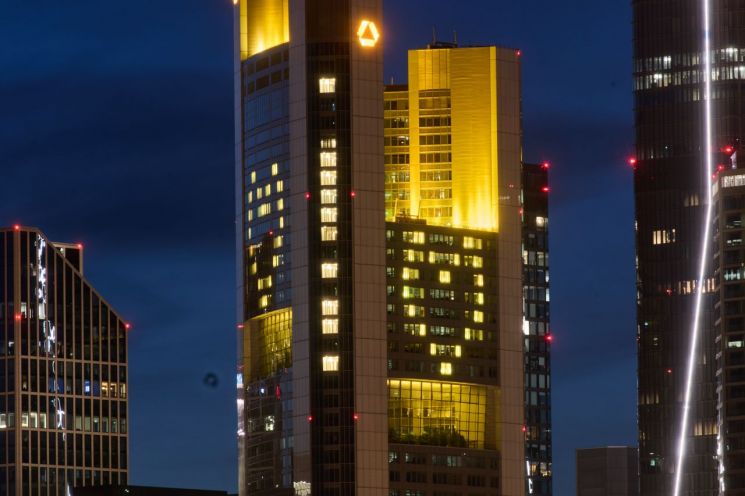
In a report released that day, IWH stated that the number of corporate bankruptcies in Germany in the previous year reached 17,604, the highest since 2005. Compared to 2009, during the global financial crisis, last year's number of bankruptcies was about 5% higher.
As a result of these bankruptcies, approximately 170,000 jobs were affected last year. By industry, the manufacturing sector suffered the most, with about 62,000 jobs impacted by bankruptcies.
IWH analyzed that the end of low interest rate policies and large-scale government support, which had been maintained during the COVID-19 pandemic, led to a surge in previously suppressed corporate bankruptcies since 2022. However, Steffen Mueller, IWH's bankruptcy officer, noted that this 'lagged effect' is gradually weakening, stating, "The current high number of bankruptcies increasingly reflects the structural challenges facing the German economy."
Jonas Eckhardt of management consulting firm Falkensteg projected that large corporate bankruptcies would increase by 15-20% this year. He cited persistently high energy prices, rising labor costs, and the administrative burden caused by excessive bureaucracy, arguing, "The current increase in bankruptcies is not the result of a temporary economic downturn, but rather points to a structural collapse of the German economy."
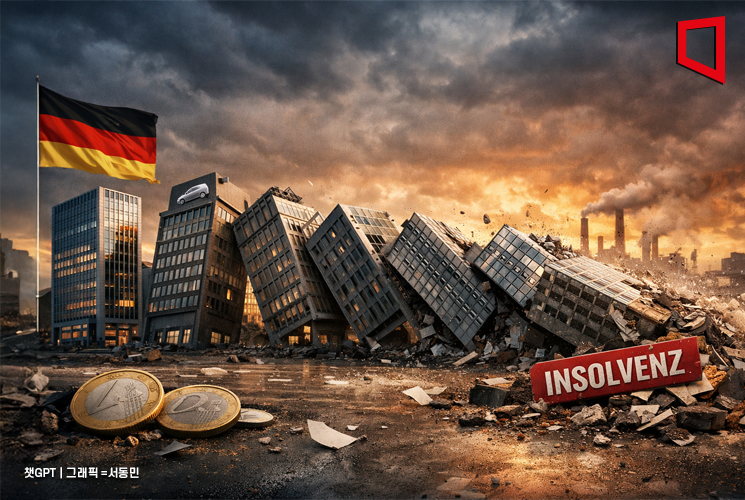
The German economy recorded growth rates of -0.3% in 2023 and -0.2% in 2024, experiencing two consecutive years of contraction for the first time in 21 years since 2002-2003. Experts believe that growth last year also hovered around zero percent.
In March last year, the German government amended the Basic Law (Constitution), which had strictly limited new debt, to invest 500 billion euros (approximately 847 trillion won) in infrastructure over the next 12 years and to significantly increase defense spending. However, while government bond yields have risen, there has yet to be any tangible effect in stimulating the economy.
© The Asia Business Daily(www.asiae.co.kr). All rights reserved.
!["The Woman Who Threw Herself into the Water Clutching a Stolen Dior Bag"...A Grotesque Success Story That Shakes the Korean Psyche [Slate]](https://cwcontent.asiae.co.kr/asiaresize/183/2026021902243444107_1771435474.jpg)

















