Coffee Cups, Tea Bags, and Cutting Boards Identified as Sources of Microplastic Exposure
Experts: "Everyday Management Can Reduce Exposure"
There has been a warning that everyday kitchen and household items can be major sources of microplastic exposure. Common examples include paper cups, tea bags, baby bottles, canned products, and plastic cutting boards. It is explained that tiny plastic particles can mix into food and beverages during processes involving hot water or repeated friction, subsequently entering the human body.
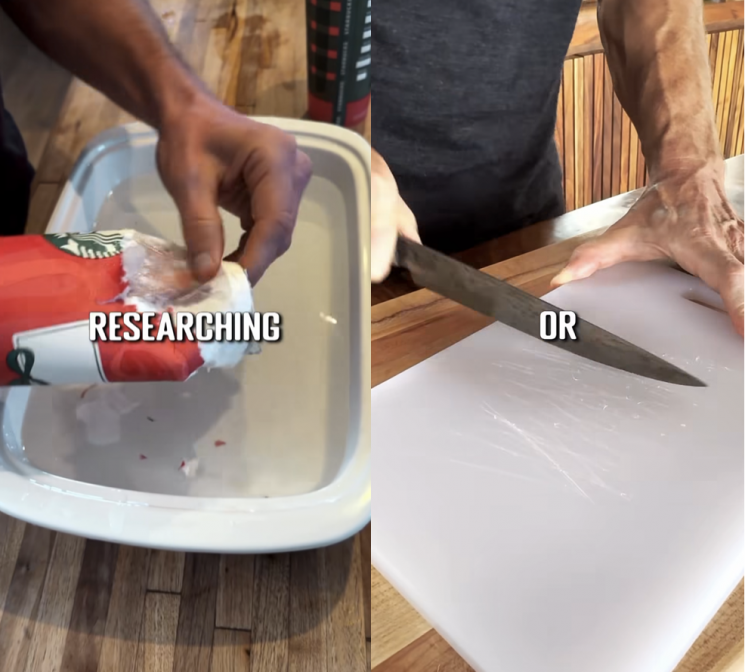 Dr. Paul Saladino, a US health influencer, recently revealed the five main sources of microplastic emissions inside the home on his social media accounts. Photo by Paul Saladino Instagram
According to a report by the Daily Mail on January 6 (local time), Paul Saladino, a US health influencer and former psychiatrist, recently stated in a video that "certain items in daily life are the biggest culprits of microplastic exposure," emphasizing the need for caution.
Hot Water and Friction: The Problems Behind Everyday Sources of Exposure
One of the main examples he pointed out is disposable paper coffee cups. Although the exterior is paper, the inside is coated with plastic for waterproofing. When filled with hot beverages, this coating can break down and release microplastics. In fact, some studies have detected thousands of microplastic particles in a single disposable cup.
Plastic tea bags are also a risk. Especially those made from synthetic resins such as nylon can release micro- and nanoplastics when steeped in boiling water due to the high temperature. Some studies have reported that a single tea bag can release a very large number of microplastic particles.
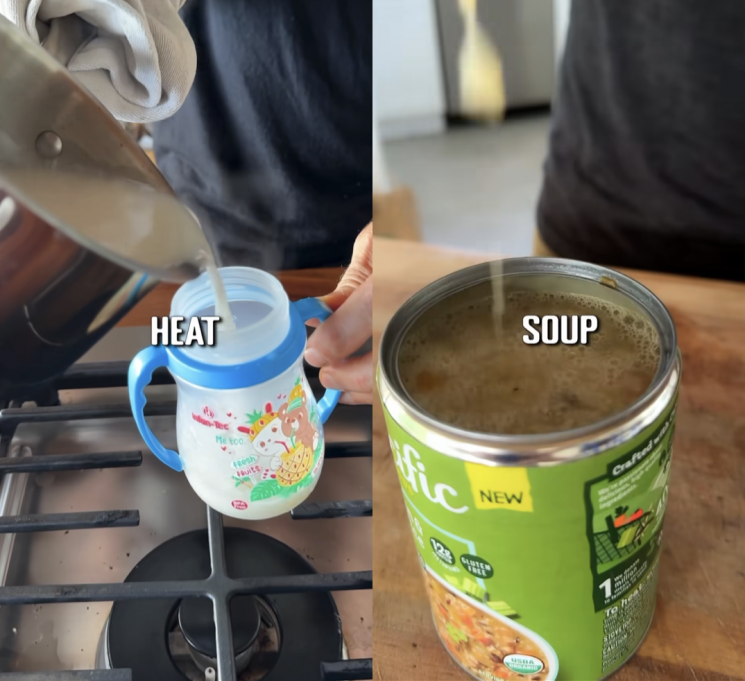 Dr. Paul Saladino, a US health influencer, recently revealed the five main sources of microplastic emissions inside the home on his social media. Photo by Paul Saladino Instagram
Baby bottles also require caution. Polypropylene baby bottles can release microplastics when sterilized with boiling water or when formula is prepared with hot water. Infants and young children are considered particularly vulnerable because their exposure relative to body weight is higher.
Canned foods and beverages are not exceptions. Most cans have an internal plastic-based coating to prevent metal corrosion, but over time, or when in contact with acidic, salty, or fatty substances, microplastics can be released from the coating.
Finally, plastic cutting boards generate microplastics through everyday cooking activities. The repeated friction with knives can cause tiny plastic fragments to mix directly into food. The more knife marks a cutting board has, the more pronounced this phenomenon becomes.
Complete Avoidance Is Difficult... Reduce Single-Use Products
Microplastics are tiny plastic fragments, often invisible to the naked eye or up to 5mm in size, created as plastic products break down.
It is known that once microplastics enter the body, they can accumulate in organs and tissues. Some studies have suggested links to inflammatory responses, hormonal disruption, cardiovascular diseases, and neurological disorders. However, the academic consensus is that further research is needed to determine the precise effects and causal relationships on human health.
Experts advise that while complete avoidance is difficult, exposure can be reduced by: ▲using fewer single-use plastics ▲utilizing glass or metal containers ▲avoiding heating plastic containers ▲switching to alternative materials for cooking utensils such as cutting boards.
© The Asia Business Daily(www.asiae.co.kr). All rights reserved.


















