Official Launch of the Administrative Integration Task Force and Implementation System
Establishment of Integrated Airport Future City Headquarters to Oversee Relocation
Launch of 50th Anniversary May 18 Planning Group and Enhanced Safety Administration
Gwangju Metropolitan City has designated 2026 as the "First Year of a Prosperous Gwangju and Jeonnam" and will undertake an organizational restructuring to address key issues such as administrative integration and the relocation of the military airport.
On January 7, Gwangju City announced the establishment of the "Gwangju-Jeonnam Administrative Integration Task Force" to systematically prepare for the administrative integration of Gwangju and Jeonnam, as well as the launch of the "Integrated Airport Future City Headquarters," which will oversee the relocation of the integrated civil-military airport and the redevelopment of the former site.
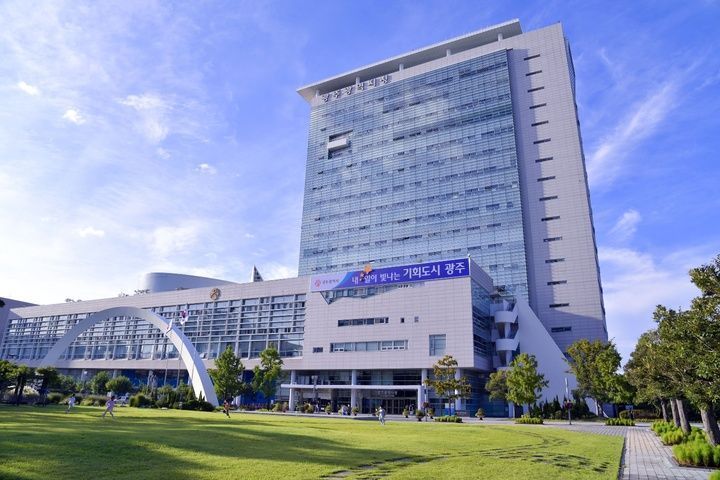
The Gwangju-Jeonnam Administrative Integration Task Force is the official conversion of the temporary "Gwangju-Jeonnam Administrative Integration Planning Group," which was launched on January 5. This division, headed by a director-level (Grade 3) official, consists of two departments-Integration Planning and Integration Support-comprising four teams in total. It will oversee the establishment of a comprehensive administrative integration plan, the preparation of special legislative bills, and the design of the integrated organization.
The Integrated Airport Future City Headquarters will pursue the relocation of the integrated civil-military airport, the redevelopment of the former airport site, and the development of the ammunition depot site as a unified project. Within the headquarters, a new Project Finance Team will be established to handle project cost analysis, financial planning, and securing funding, thereby strengthening financial management for large-scale development projects.
Gwangju City will also launch the "50th Anniversary of the May 18 Democratization Movement Planning Group" to prepare commemorative projects over the medium and long term. The city will collaborate with the central government to build a citywide implementation system and is considering linking these efforts with the centennial celebration of the Gwangju Student Independence Movement.
The Urban Rail Construction Headquarters will establish a System Integration Team to enhance technical coordination among complex processes such as electricity, communications, signaling, and tracks. This will support the stable opening of Urban Rail Line 2 and the implementation of a fully automated, unmanned operation system.
The city will also strengthen staffing in areas directly related to citizen safety. A Suicide Prevention Team will be established within the Public Health and Hygiene Division, and additional personnel will be assigned to care, social disaster response, and library services. Staffing will also be increased in the 119 Emergency Control Center and fire stations to enhance disaster response capabilities.
Lee Byungcheol, Director of Planning and Coordination, stated, "We have reorganized the city government around key issues such as administrative integration and the relocation of the military airport, as well as areas that directly affect citizens’ daily lives. We aim to support sustainable growth by securing momentum for administrative integration, developing a future city, and strengthening citizen safety."
Gwangju City plans to implement this organizational restructuring starting in January 2026, following the revision of relevant local government regulations.
© The Asia Business Daily(www.asiae.co.kr). All rights reserved.

















