Gwangju City Accelerates Internal Innovation Centered on Senior Official THINK TANK
Visible Results in AI Call Bot Introduction and Faster Civil Complaint Processing
On January 6, Gyeonggi Gwangju City announced that it is achieving visible results by actively pursuing internal innovation initiatives centered around the 'THINK TANK,' an innovation council composed of senior officials at grade 5 and above. These initiatives include the introduction of an artificial intelligence (AI) call bot for duty shifts, the development of measures for faster civil complaint processing, and improvements to organizational culture.
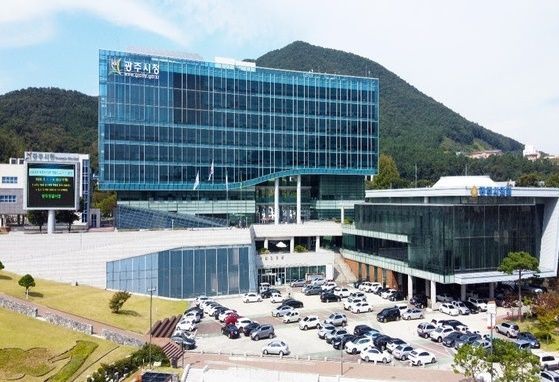
Since the first half of last year, the THINK TANK has been operating with the goal of establishing a proactive and rapid civil complaint response system, while also reviewing and improving the current duty work system.
In particular, to improve the speed of civil complaint processing, the city has held meetings with working-level staff from the five major departments responsible for permits-river, forest, road management, urban development, and architecture. Based on feedback from the field, the city is gradually implementing improvement tasks such as establishing a notification service for the completion of interdepartmental consultations and sharing a casebook on pre-consultation audits. As a result, the processing time for civil complaints is steadily decreasing.
Additionally, based on the results of an assessment of the duty system, the city has established a civil complaint response system utilizing artificial intelligence. Since December of last year, the pilot AI call bot has been handling simple and repetitive civil complaints such as illegal parking and animal carcass removal. This has helped minimize administrative gaps caused by frequent duty shifts and improve working conditions for public officials. The city expects to provide citizens with more stable and prompt administrative services as a result.
In the second half of the year, the city also accelerated improvements to internal administrative procedures and organizational culture. By promoting city policies through short-form videos featuring staff participation, the city lowered barriers to communication with citizens. At the same time, it moved away from standby emergency shifts and established a more practical support work system. Inefficient practices were also addressed, such as simplifying the application process for long-term service leave.
Efforts to create a pleasant office environment and improve employee welfare are also underway. To alleviate parking shortages at city hall, the city is encouraging employees to voluntarily use public transportation during large-scale events and is considering introducing a pop-up notification service to prevent the scheduling of multiple large events on the same day.
Alongside these efforts, the city plans to establish a horizontal organizational culture based on mutual respect and consideration by improving the payment method for resort facility usage fees and strengthening training to raise awareness of workplace bullying and power harassment.
Gwangju City plans to continue operating the THINK TANK innovation council to drive sustainable changes that can be felt by both employees and citizens, rather than settling for short-term solutions.
Mayor Bang Sehwan stated, "We will enhance administrative efficiency by fostering a flexible organizational culture and a smart administrative system, and make Gwangju City a leader in innovation by proactively responding to change."
© The Asia Business Daily(www.asiae.co.kr). All rights reserved.
![User Who Sold Erroneously Deposited Bitcoins to Repay Debt and Fund Entertainment... What Did the Supreme Court Decide in 2021? [Legal Issue Check]](https://cwcontent.asiae.co.kr/asiaresize/183/2026020910431234020_1770601391.png)















