16,000 Tons of Tariff-Free U.S. Mandarins Imported
Jeju Citrus Farmers Call for Action
As the United States begins exporting mandarins to Korea tariff-free starting this year, the surge in import volumes has prompted Jeju farmers' organizations to call on the government and Jeju Province for countermeasures.
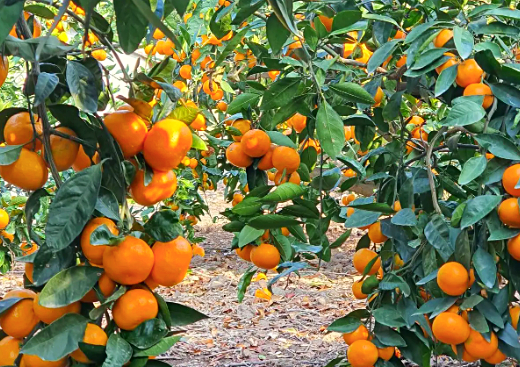
Tariff-Free Imports of U.S. Mandarins Begin in Earnest... Jeju Citrus Industry Faces 'Crisis'
According to Jeju Province on January 5, following the implementation of the Korea-U.S. Free Trade Agreement (FTA) in 2012, the import tariff rate on U.S. mandarins was gradually reduced from 144% by 9.6% each year, resulting in the elimination of import tariffs as of this year.
As the tariff rate on U.S. mandarins has decreased, prices have fallen and import volumes have steadily increased each year. The import volumes of U.S. mandarins were 0.1 tons in 2017, 8.3 tons in 2018, 152.1 tons in 2019, 511.8 tons in 2020, and 728.5 tons in 2021.
After the tariff rate dropped below 20%, imports reached 3,099.3 tons in 2024, and with a 9.5% tariff last year, 7,619 tons were imported. With the application of zero tariffs this year, the target import volume for U.S. mandarins is reportedly 16,000 tons.
U.S. mandarins are mainly sold in Korea from January to June, a period that overlaps with the distribution of Jeju’s citrus varieties and is expected to impact their market prices. Among Jeju’s citrus varieties, Hallabong and Redhyang are shipped from January to May, while Cara Hyang is shipped in mid-April. Some greenhouse-grown mandarins begin shipping in May.
Citrus Farmers Urge Swift Response
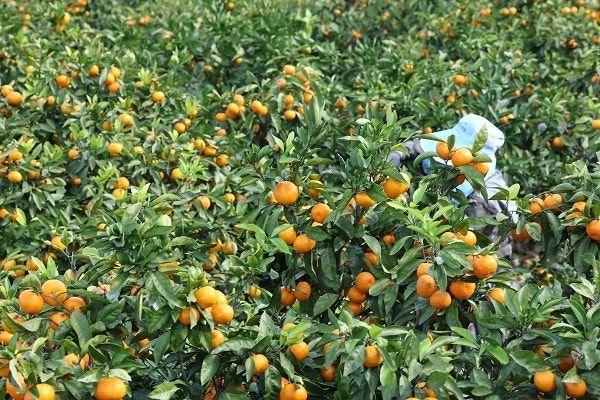
Local farmers’ organizations, including the Jeju Citrus Union, Jeju Provincial Agricultural Organizations Council, Jeju Branch of the Korean Peasants League, Korea Advanced Farmers' Federation Jeju Chapter, and Jeju Green Party, recently issued a joint statement declaring that "the Jeju citrus industry stands at a critical crossroads," and urged the government and Jeju Province to respond swiftly. They proposed comprehensive countermeasures such as diversifying shipping periods, improving quality, developing varieties based on consumer demand, and enhancing brand recognition through research on the status of imported citrus and response strategies.
In response, Jeju Province plans to strengthen promotional efforts to coincide with the shipping season of Jeju citrus varieties and expand dedicated Jeju citrus sections on online distribution platforms. The province will also focus on promotional campaigns linked to the Hometown Love Donation Program and target the premium gift market for the Lunar New Year holiday. Efforts will be made to improve direct-from-farm and fresh delivery systems to enhance quality competitiveness. In addition, a public-private joint supply and demand management council will be operated to continuously monitor shipping and distribution trends, and the province will continue to request the government and National Assembly to extend the duration of the FTA damage compensation direct payment system.
© The Asia Business Daily(www.asiae.co.kr). All rights reserved.
!["The Woman Who Threw Herself into the Water Clutching a Stolen Dior Bag"...A Grotesque Success Story That Shakes the Korean Psyche [Slate]](https://cwcontent.asiae.co.kr/asiaresize/183/2026021902243444107_1771435474.jpg)

















