A saint with zero scandals, a fighter who protected cinema
"The model fee freeze": The moral textbook of the entertainment industry
At the forefront of the screen quota and Good Downloader campaigns
The "shield" and "pillar" of Korean cinema
The tears shed by the film industry over the passing of actor Ahn Sung-ki on January 5 carry a special significance. Beyond the sense of loss for a great performer, there is a deeper feeling of absence stemming from the collapse of a monumental "moral pillar" that has supported Korean cinema for the past 70 years.
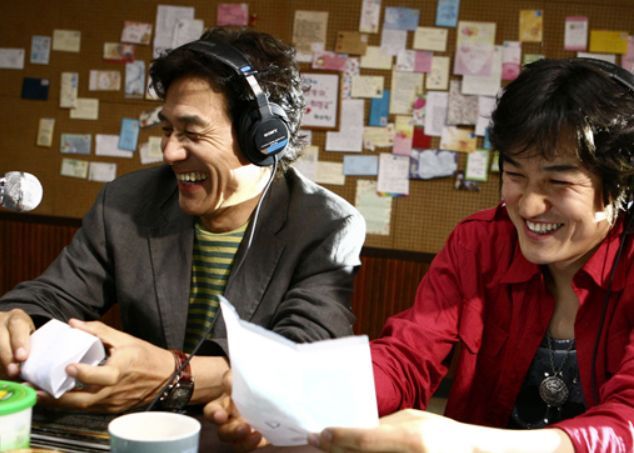
On screen, the late actor was known for his versatility, but off screen, he was a true adult, demonstrating unparalleled self-discipline and warm leadership.
A Flawless 70-Year Life... A "Practice Enthusiast" Who Arrived Before the Rookies
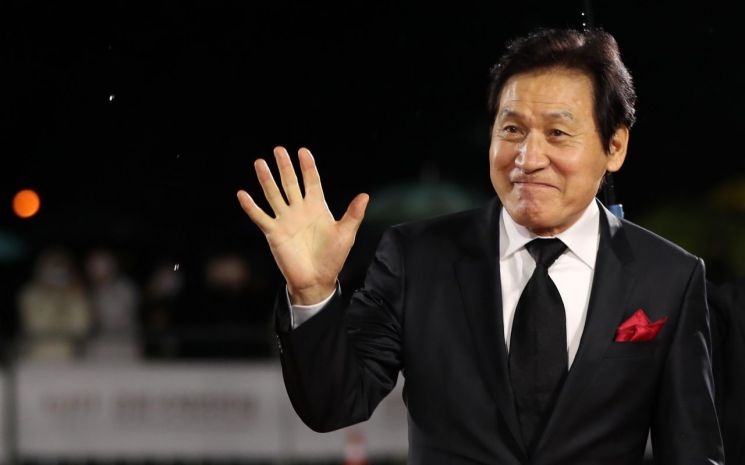
Since his debut in 1957, the late actor appeared in over 170 films without ever being embroiled in a single scandal or controversy. While this was due to his thorough self-management, colleagues attribute his secret to an innate consideration for others.
On film sets, he was known as a "gentlemanly actor." For decades, his routine of arriving 30 minutes before the scheduled time to review the script never changed. Even when he had no scenes to shoot, he would stay on set to encourage junior staff by calling them by name, and it was well known that he would stand in line with a tray for meals just like everyone else.
Director Lee Jun-ik recalled, "Ahn Sung-ki was someone who changed the 'atmosphere' on set. There were more than a few directors who said that, even when they were about to lose their temper, seeing Ahn quietly waiting in the corner made them regain their composure."
The "38-year loyalty" that became legendary in the advertising industry also speaks to his character. Since 1983, he served as a coffee model for Dongseo Food, setting the record as the "longest-serving model for a single brand." To avoid overexposing his image, he declined all offers from other food and beverage companies. During the IMF financial crisis, when the advertiser proposed a raise, he countered by voluntarily reducing and freezing his fee, saying, "Everyone is struggling; I can't accept more." This relationship of trust lasted for 38 years, until 2021.
"Film Is Soul"... A Fighter Who Took to the Streets in Times of Crisis
Behind his gentle smile was the spirit of a strong fighter. Whenever the Korean film industry faced a crisis, Ahn Sung-ki was always among the first to take to the streets, headband on.
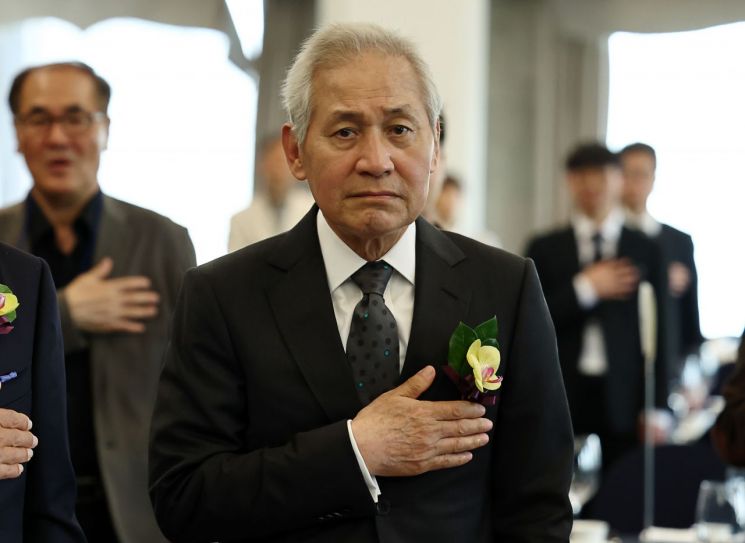
The most notable example was the 2006 protest against the reduction of the screen quota system (mandatory screening of Korean films). As co-chair of the "Screen Quota Defense Filmmakers' Committee," he staged a one-person protest in Gwanghwamun despite subzero temperatures. Although he usually refrained from political statements, he did not hesitate to take the microphone when the film ecosystem was threatened.
At the time, he appealed to the public, saying, "Film is not just a means to make money, but a vessel containing our spirit and soul," and emphasized, "We need at least a minimal shield to protect our culture against Hollywood capital." His sincere plea became a rallying point for filmmakers and garnered nationwide support.
In 2009, to revive a market suffering from illegal copying, he led the "Good Downloader" campaign with Park Joong-hoon. His call to "create a culture of paying to watch movies" became a turning point in public perception. Many junior actors participated in the campaign without any guarantee, a testament to the weight of Ahn Sung-ki's name.
Leadership That Shone on the Margins... His Legacy Is "People"
His attention was always directed beyond the glamorous spotlight, toward the marginalized. Since 2003, he served as executive director of the Asiana International Short Film Festival, supporting short and independent film directors who struggled to find their place amid commercial films. From 2011, as chairman of the Shin Young-kyun Arts and Culture Foundation, he provided scholarships to children of struggling filmmakers and generously donated funds to support short film production, nurturing the next generation.
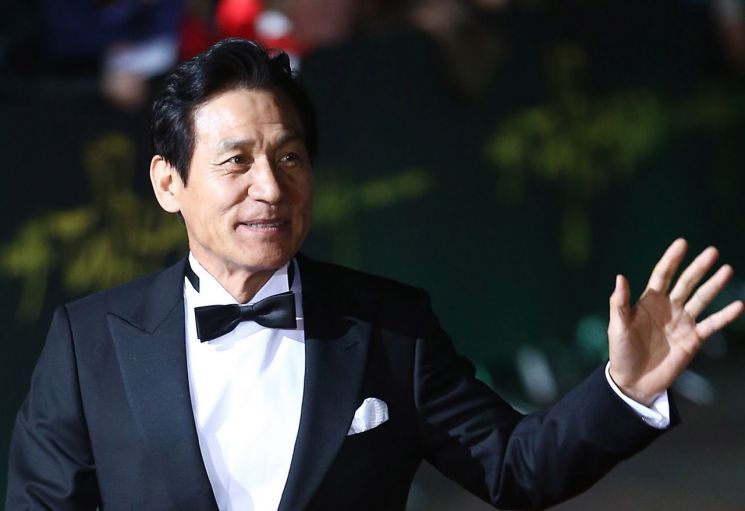
For over 30 years since 1993, he served as a UNICEF Goodwill Ambassador, actively helping children in impoverished countries such as those in Africa. Rather than making donations for show, he personally visited the field, playing and volunteering with the children, setting an example for many.
Kim Dong-ho, former executive director of the Busan International Film Festival, described Ahn Sung-ki in an oral history at the Korean Film Archive: "He was like a 'mother' who mediated countless conflicts and healed wounds during the rapid development of Korean cinema. His achievements as an actor are great, but the legacy of dignity that Ahn Sung-ki the person left to the film industry can never be replaced."
Ahn Sung-ki, the eternal active actor and guardian angel of Korean cinema. Though he is gone, the "fragrance of humanity" he left behind is deeply and indelibly etched into the rings of Korean film history.
© The Asia Business Daily(www.asiae.co.kr). All rights reserved.
!["The Woman Who Threw Herself into the Water Clutching a Stolen Dior Bag"...A Grotesque Success Story That Shakes the Korean Psyche [Slate]](https://cwcontent.asiae.co.kr/asiaresize/183/2026021902243444107_1771435474.jpg)


















