Ministry Accelerates Regulatory Innovation to Boost Global Competitiveness
Full-Scale Implementation of CDMO Special Act and Tailored Support for New Technologies
Comprehensive Overhaul of Clinical, Manufacturing, and GMP Regulations
The Ministry of Food and Drug Safety will shorten the approval period for biosimilars to 240 days within this year, aiming to accelerate the launch of new drugs to a world-leading pace. The plan is to enhance global competitiveness so that domestic bio companies can secure a foothold in overseas markets.
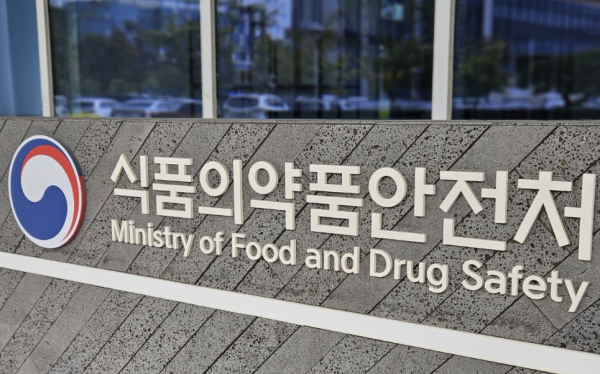
On January 2, the Ministry announced that it will begin full-scale implementation of key regulatory innovation tasks as part of this year's work plan, titled "Accelerating Global Market Entry Through Biohealth Regulation and Certification Innovation."
To begin with, the Ministry will expand its review workforce and overhaul the approval process to speed up the market launch of biosimilars, making it possible to achieve the fastest launches in the world in stages. The current approval period of 406 days will first be reduced to 295 days in the initial phase, and ultimately, a system will be established to enable launches within 240 days-the fastest in the world. To achieve this, the newly established “Biopharmaceutical Approval Division” will lead concurrent and parallel reviews and provide close support.
In addition, regarding the ongoing discussions in major countries such as the United States and Europe about easing Phase 3 clinical trial requirements for biosimilars, the Ministry will develop a pre-review procedure manual and evaluation guidelines through the "Biosimilar Clinical Improvement Public-Private Council," which has been operating since September last year.
The Ministry will also expedite follow-up measures, such as the enactment of subordinate regulations, to ensure the smooth implementation by the end of this year of the "Special Act on Regulatory Support for Biopharmaceutical Contract Development and Manufacturing Organizations," which was promulgated on December 30. With the introduction of the "Biopharmaceutical Export Manufacturing Business Registration System," which was not clearly defined under previous pharmaceutical laws, the Ministry will establish facility standards tailored for export-focused manufacturing plants and systematically institutionalize GMP (Good Manufacturing Practice) certification and raw material certification standards for CDMO (Contract Development and Manufacturing Organization) facilities based on legal grounds.
The Ministry will also prepare detailed standards and procedures for matters delegated to subordinate regulations, including new on-site customized regulatory support systems such as simplifying customs clearance procedures for raw pharmaceutical ingredients used by CDMOs, pre-consultations for GMP certification, and technical advice for manufacturing facilities. To this end, the Ministry will operate a "CDMO Regulatory Support Task Force (tentative name)" involving headquarters, regional offices, and the Vaccine Safety Technology Support Center to fully prepare for the implementation of the new system.
To respond proactively to the rapidly changing global market, the regulatory framework for new types of biopharmaceuticals will also be revised in advance. Given that mRNA vaccine quality testing is mostly outsourced to overseas laboratories, the Ministry will expand infrastructure at the Vaccine Safety Technology Support Center-including equipment and personnel-to enable rapid domestic quality testing that previously depended on foreign facilities.
For antibody-drug conjugates (ADC), which are leading a new paradigm in the anticancer drug market, the Ministry will establish specialized facility operation standards that reflect the handling of high-toxicity substances and other product characteristics to help companies gain a competitive edge. In addition, a mid- to long-term regulatory roadmap and detailed guidelines will be developed for gene therapies utilizing artificial intelligence (AI) models.
The Ministry will also work to strengthen regulatory leadership in the international community. Building on last year's memorandum of understanding between Korea and the United Arab Emirates (UAE), the Ministry will concretize cooperation with the UAE's Emirates Drug Establishment (EDE), including advanced biopharmaceutical education, to support entry into the Middle Eastern market. At the same time, the Ministry will expand the foundation for pharmaceutical export cooperation by providing on-site GMP training for regulatory agencies from potential plasma-supplying countries in the Asia-Pacific region, such as Taiwan and Indonesia.
The Ministry stated, "The biopharmaceutical industry is a core element of future health security and a national strategic industry," adding, "We will play a strong supporting role so that our companies can secure a leading position in overseas markets by implementing comprehensive innovation policies, including improving the approval system within the scope of safety."
© The Asia Business Daily(www.asiae.co.kr). All rights reserved.
![Clutching a Stolen Dior Bag, Saying "I Hate Being Poor but Real"... The Grotesque Con of a "Human Knockoff" [Slate]](https://cwcontent.asiae.co.kr/asiaresize/183/2026021902243444107_1771435474.jpg)
















