Cases of Deliberate Killings and Forced Suicide Missions Revealed
Demands for Bribes and Forced Contract Extensions
Abuse Concentrated in Units Composed of Prison Inmates
There is growing controversy as evidence emerges of systematic human rights abuses and misconduct within the Russian military, including so-called "Zeroing Out"-the deliberate killing and forced suicide attacks of soldiers. On January 2, Yonhap News Agency, citing The New York Times (NYT), reported in-depth on the conditions within Russian military barracks, based on the fact that thousands of complaint documents submitted to the Presidential Human Rights Ombudsman of Russia were leaked externally due to careless website management.
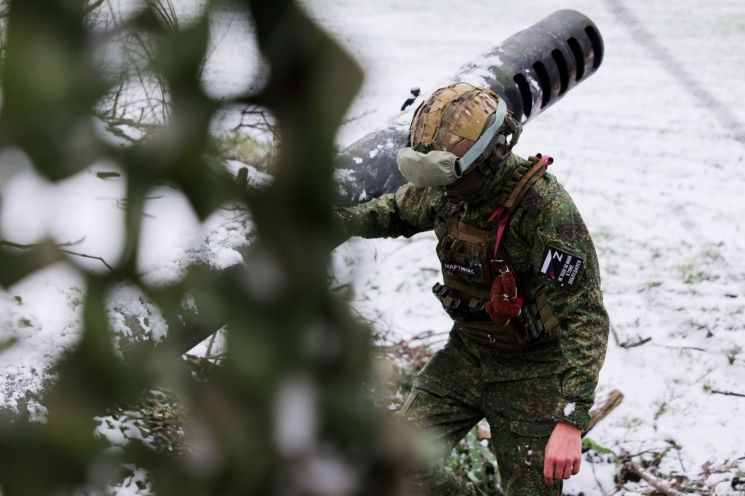 According to complaint documents and interviews, some commanders deliberately deployed soldiers who knew about corruption to high-risk operations to destroy evidence or ordered fellow soldiers to shoot them. The photo is not related to the specific content of the article. Photo by TASS Yonhap News Agency
The leaked documents contain complaints filed by soldiers and their families between April and September of last year, with about 1,500 of these related to military matters. The New York Times contacted more than 240 individuals during the fact-checking process, and at least 75 acknowledged submitting complaints; some provided supporting evidence such as videos, photos, medical certificates, and internal military documents.
According to documents verified by The New York Times regarding the deployment of patients and wounded soldiers to the front lines, Russian forces have sent soldiers suffering from limb fractures, stage 4 cancer, epilepsy, severe visual and hearing impairments, traumatic brain injuries, schizophrenia, and post-stroke sequelae into combat. There were also numerous cases where prisoners of war released by Ukrainian forces were redeployed to battle without adequate recovery. One soldier testified, "People in wheelchairs and those missing limbs were also sent to the front lines. I witnessed it myself."
Routine Abuse: Handcuffing to Trees and Confinement in Pits Revealed
According to complaint documents and interviews, some commanders deliberately deployed soldiers who were aware of corruption to high-risk operations to destroy evidence, or ordered fellow soldiers to shoot them. The New York Times reported that within the Russian military, such acts are referred to as "Obnuleniye" (resetting to zero) or "Zeroing Out." The term appeared in at least 44 of the complaints reviewed by the NYT, and more than 100 cases contained evidence that commanders threatened to kill soldiers directly.
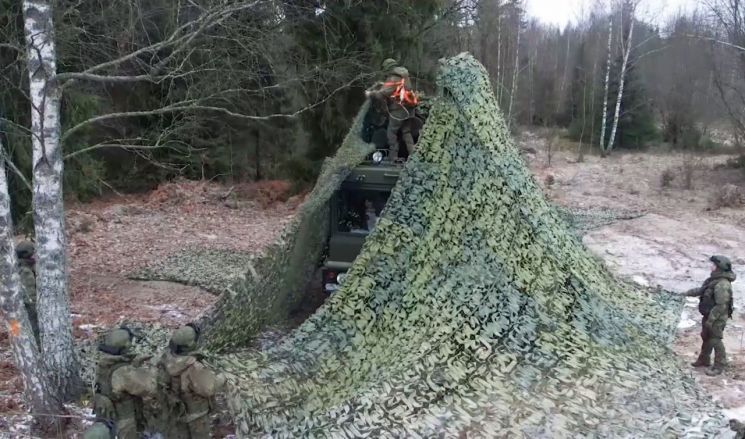 According to documents verified by The New York Times, Russian forces have deployed soldiers suffering from limb fractures, stage 4 cancer, epilepsy, severe visual and hearing impairments, traumatic brain injuries, schizophrenia, and post-stroke sequelae to the front lines. The photo is not related to the specific content of the article. Photo by TASS Yonhap News Agency
Abuse of soldiers was also found to be routine. Some soldiers testified that they were stripped naked in the middle of winter, handcuffed, and tied to trees for several days, or left without food, water, or access to toilets. There were numerous cases of beatings, basement confinement, or being thrown into pits for refusing orders or opposing missions with a high likelihood of failure. A video was also released of a soldier who was tied to a tree for four days for refusing a so-called "suicide mission" to take a photo holding a Russian flag in an occupied area of Ukraine.
Some Commanders Demanded Bribes and Issued Threats When Refused
Some commanders demanded bribes in exchange for excluding soldiers from high-risk missions. If soldiers refused, they were threatened with reassignment to assault units with high fatality rates. Complaints also included cases where conscripts or short-term contract soldiers were forced to sign long-term service contracts or were assigned to combat units if they refused to extend their contracts. Allegations were also raised regarding embezzlement of injury compensation or government support funds, as well as false injury reports.
In particular, units composed of prisoners or detainees were the focus of abuse and murder allegations. One joint petition claimed that certain unit commanders killed more than 300 of their own soldiers on the battlefield and withdrew money from their bank accounts by taking mobile phones from the bodies.
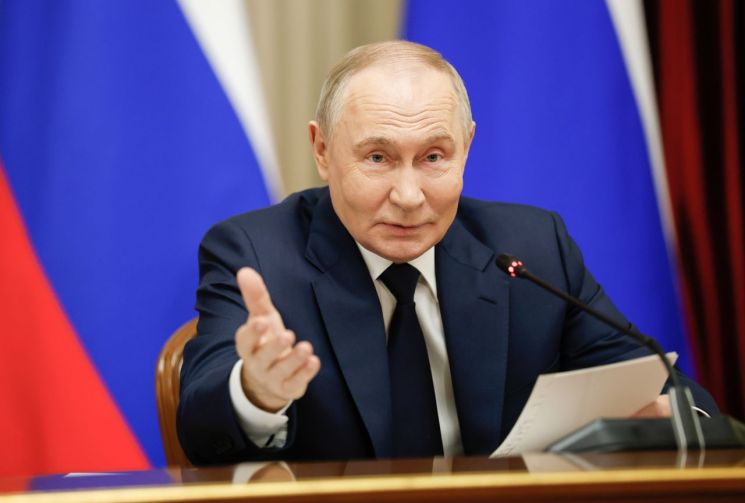
The New York Times pointed out that although Russian President Vladimir Putin has portrayed soldiers as "heroes defending the motherland," the leaked complaint documents reveal that anger and distrust among soldiers and their families are spreading beneath the surface amid the prolonged war of attrition. The report also noted that many complainants expressed fear of retaliation, suggesting that there are likely even more cases of human rights abuses that have not been officially reported.
© The Asia Business Daily(www.asiae.co.kr). All rights reserved.



















