Eight Key Directions for Municipal Administration in 2026
Since being elevated to city status in 1995, Yangsan has been moving forward without pause and now marks its 30th anniversary.
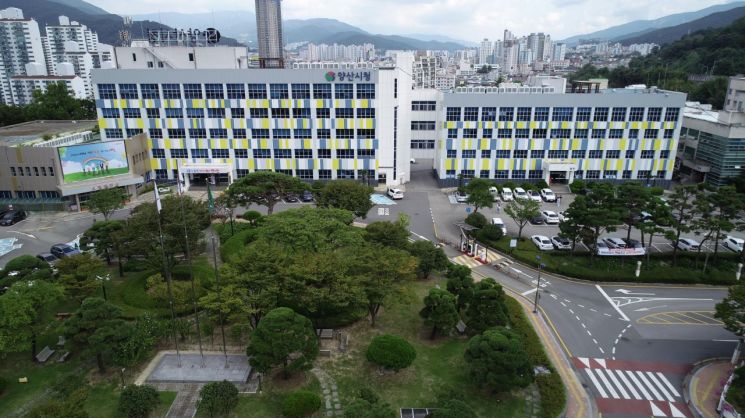
Yangsan City in South Gyeongsang Province announced eight key directions for municipal administration in 2026, the Year of the Fire Horse (Byeongo-nyeon), aiming to improve the quality of life for citizens and promote regional development.
This year is a meaningful one as it marks the 30th anniversary of Yangsan's city status and serves as the starting point for the city's next 100 years.
The city has expressed its ambition to create a place where citizens live better, enjoy greater safety, and are prepared for the future, guided by the spirit of "Gongjaebulsa" (Success lies in perseverance).
▲ Revitalizing Local Commercial Districts and Strengthening Youth Independence Support
The city will focus on revitalizing local commercial districts, the foundation of urban vitality. It will expand the designation of alley-type shopping districts and implement tailored activation policies suited to each district's characteristics.
In particular, by issuing 230 billion won in Yangsan Love Gift Certificates, the city will boost sales for small business owners and establish a virtuous cycle in the local economy. Additionally, it will systematically support small businesses through 40 billion won in development funds and assistance for digital transformation.
The city will also support youth employment, housing stability, and increased social participation through youth centers and online platforms. Furthermore, it will foster a self-reliant city where young people directly shape policy through a youth activity points system.
▲ Fostering Innovative Industries and Creating Quality Jobs
Yangsan will systematically establish growth strategies and an innovation ecosystem for local industries, centered on the Yangsan Industrial Innovation Support Office.
By developing localization technology for aerospace and defense sealants, the city will lay the foundation for new industries such as aviation, automotive, and shipbuilding. It will also advance as a hub city for the bio and medical cluster in the southeastern region by establishing a demonstration center for hybrid ship equipment and a biomedical innovation center.
Through the integration of public rental knowledge industry centers and G-Space East, the city will complete a comprehensive support system from startup to growth and corporate settlement, thereby creating quality jobs.
▲ Advancing as a City of Culture and Tourism
To celebrate the 30th anniversary of city status, Yangsan will host large-scale cultural events in conjunction with the 2026 Year of Visiting Yangsan. Events such as the KBS Open Concert, commemorative exhibitions, and citizen participation programs will energize the entire city.
The city will rapidly advance the construction of the Yangsan Arts Center and Yangsan City Art Museum to substantially expand cultural infrastructure. Projects like the Hwangsan Park Complex Leisure Project and the introduction of water aircraft tourism content on the Nakdong River will promote tourism resources that showcase the Nakdong River, East Coast, and Yeongnam Alps. Additionally, a feasibility study for a monorail connecting Mulgeum Mine, Imgyeongdae, and Obongsan Observatory will help establish a core tourism belt.
▲ Creating a Comfortable Living Environment
The city will proactively address the era of population decline by establishing a five-year basic plan for population policy and will add green spaces throughout the city with the "Yangsan City 2030 Green City Roadmap."
Yangsan will expand urban green gardens such as Daewoonsan Arboretum, urban park garden spaces, and Hwangsan Park local gardens. It will also strengthen safety infrastructure through measures such as major accident prevention, inspections of disaster-prone facilities, clean tap water supply, and the expansion of drainage and stormwater treatment infrastructure.
▲ Providing Tailored Welfare for All Generations
The city will provide comprehensive welfare services for all generations through the construction of a veterans' center, improvement of welfare hub town operations, and the establishment of an integrated care support system.
To prepare for a super-aged society, the city will finalize the location of a comprehensive funeral facility and improve the reading environment through the remodeling of Woongsang Library. Notably, the introduction of the "1,000 won taxi" will ensure practical mobility rights for transportation-vulnerable residents in remote areas, addressing welfare blind spots.
▲ Establishing Metropolitan Transportation and Regional Road Networks
Yangsan will complete a metropolitan railway network-including the Busan-Yangsan (Woongsang)-Ulsan Metropolitan Railway, the Southeastern Circular Railway, and the Yangsan Light Rail Transit scheduled to open next year-to strengthen its competitiveness as a central city in the Busan-Ulsan-Gyeongnam region.
By installing Nam-Mulgeum and Sasong Hi-Pass ICs, promoting the National Route 35 bypass, and constructing tunnels for the Mulgeum-Wondong Hwaje 1022 line, the city will alleviate traffic congestion and vitalize the local economy. Additionally, the expansion of Mulgeum Station facilities and renaming it to "Yangsan Mulgeum Station" will enhance the city's brand awareness and accessibility.
▲ Bridging Regional Gaps through Balanced Development
The city will address the disconnection between eastern and western Yangsan and gradually realize the Woongsang Hoeya River Renaissance Project through the creation of Jujin Bulbit Park and the establishment of the Yongdang Historic District tourism belt.
Yangsan will also significantly enhance living infrastructure in eastern Yangsan for balanced regional development, including the redevelopment of the aging Seochang District, Samho and Junam urban regeneration projects, and the construction of a youth cultural center.
Furthermore, the city will create innovative urban infrastructure in residential, educational, medical, and cultural sectors through the Jeungsan District urban development project and the leading project for spatial innovation at Pusan National University Yangsan Campus. With a 26.7 billion won national rural agreement project, the city will promote the construction of a multi-purpose SOC center in Dong-myeon.
▲ AI-Driven Administrative Innovation and Organizational Culture Improvement
The city will establish a dedicated AI department and build a data-based administrative system to dramatically enhance the accuracy and efficiency of administration through predictive policy, policy impact analysis, and automation of repetitive tasks.
Yangsan will improve organizational culture to foster autonomy and creativity among public officials and will strengthen citizen-centered administration by effectively operating integrity governance, the Citizens' Integration Committee, and the Ombudsman system.
A Yangsan City official stated, "Based on our historical foundation as a regional hub from the Silla to Joseon dynasties, it is now time to prepare for a new future as a central city in the Busan-Ulsan-Gyeongnam region. In 2026, the Year of the Red Horse, we will move forward vigorously with our citizens, embracing the passionate energy of the year and the determination of Gongjaebulsa (Success lies in perseverance)."
© The Asia Business Daily(www.asiae.co.kr). All rights reserved.

















