Standard Personnel Increased by 52
Yangju City in Gyeonggi Province announced on December 30 that the standard personnel expenses for 2026 have increased by approximately 10.9 billion won compared to the previous year, ranking seventh in terms of growth rate among the 31 cities and counties in Gyeonggi Province. In addition, the standard number of personnel has increased by 52, improving administrative conditions to better respond to population growth and expanding administrative demands.
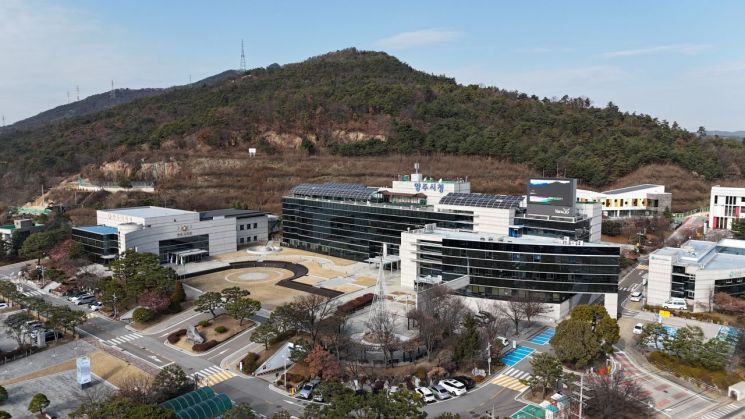
This increase is the result of practical improvements made to the standard personnel expenses calculation system.
The standard personnel expenses system of the Ministry of the Interior and Safety sets an upper limit on personnel expenditures for local governments. If expenditures exceed this standard, a financial penalty is imposed by reducing the general allocation tax two years later.
Yangju City has continuously raised concerns that the previous calculation method did not adequately reflect reality, despite a rapid increase in population.
Accordingly, Yangju City has proposed to the National Assembly and the Ministry of the Interior and Safety to expand the autonomous management range of standard personnel expenses and to improve calculation indicators. As a result, when calculating the 2026 standard personnel expenses, new indicators such as the population growth rate over the past three years and the number of residents per public official were newly incorporated.
The newly introduced indicators aim to more reasonably reflect the circumstances of local governments experiencing rapid population growth and expanding administrative demands.
With the adoption of these new indicators and the expansion of the autonomous management range for standard personnel expenses, Yangju City did not face any reduction in the general allocation tax for 2026.
Through this, Yangju City expects to systematically respond to the growing demand for administrative services resulting from population growth, while also enhancing the stability of its fiscal management.
An official from Yangju City stated, "We have made proposals based on objective indicators to reflect Yangju City's administrative circumstances, such as rapid population growth, in the system," adding, "We will continue to work closely with the central government to ensure that local conditions are effectively reflected in the system in the future."
© The Asia Business Daily(www.asiae.co.kr). All rights reserved.
![Clutching a Stolen Dior Bag, Saying "I Hate Being Poor but Real"... The Grotesque Con of a "Human Knockoff" [Slate]](https://cwcontent.asiae.co.kr/asiaresize/183/2026021902243444107_1771435474.jpg)
















