Delivery in Under 15 Minutes by Drone for a 50-Minute Car Journey
Over 96% Accuracy Achieved
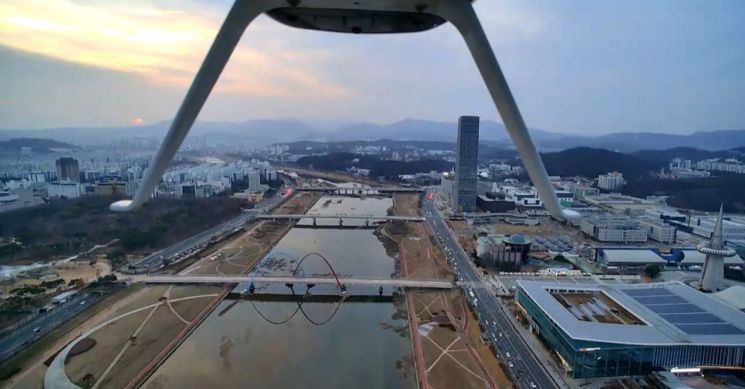
With the successful demonstration of blood delivery using unmanned aerial vehicles, blood and medical supplies can now be delivered quickly regardless of rush hour traffic during commuting times.
Daejeon City, through the "2025 Drone Demonstration City Establishment Project" led by the Ministry of Land, Infrastructure and Transport and the Aviation Safety Technology Institute, has succeeded for the first time in South Korea in demonstrating long-distance blood delivery using unmanned aerial vehicles in an urban environment.
This project, selected in March by the Ministry of Land, Infrastructure and Transport, involved the Armed Forces Daejeon Hospital, Taekyung Electronics Co., Ltd., and Willog Co., Ltd. The goal was to verify the possibility of rapid delivery of blood and medical supplies in emergency situations.
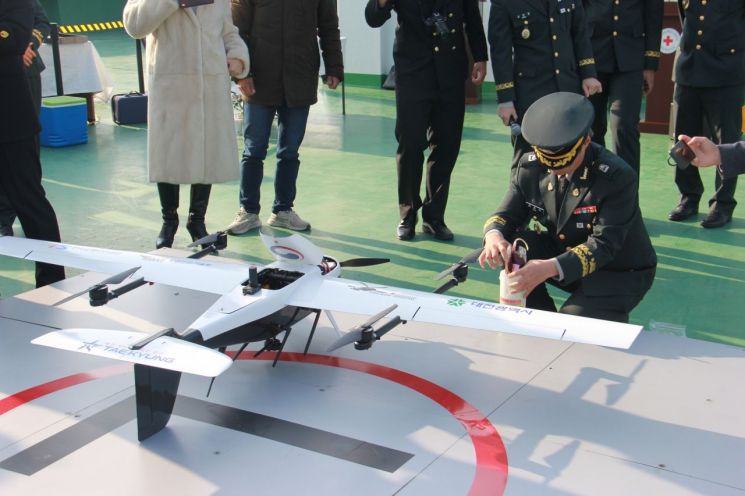
For this purpose, one unmanned vertical take-off and landing aircraft (VTOL) and one unmanned multicopter were deployed to automatically fly beyond visual line of sight, based on satellite navigation, from the Daejeon Sejong Chungnam Blood Center to the Armed Forces Daejeon Hospital.
As a result of the demonstration, both aircraft stably flew more than 35 kilometers at speeds of about 50 to 79 km/h. Terrain-following flight technology was applied, considering the frequent operation of military, police, and fire aircraft in urban areas, and safety was confirmed even in complex environments such as cities, mountains, and rivers.
If commercialized, it is expected that the emergency delivery time could be reduced to about 15 minutes during rush hour, compared to 50 minutes by car.
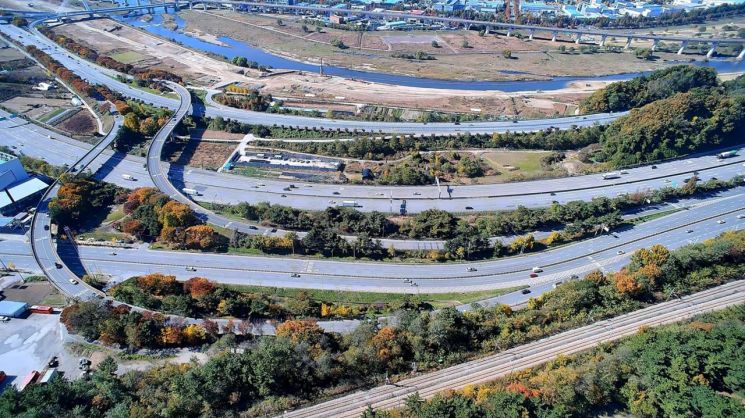
For this demonstration, Daejeon City established one situation room and two control centers within the Armed Forces Daejeon Hospital, as well as four flight routes between the base and delivery points. The city also introduced a drone safety management system (SMS) and provided safety management training for personnel to establish a pre-operational safety foundation.
Based on this, after verifying flight safety in September, full-scale demonstration flights began in October. A total of 67 flights were successfully conducted (43 by multicopter, 24 by VTOL), achieving results such as a 50% reduction in blood transport time compared to vehicles, real-time monitoring of blood and drone status, and a delivery accuracy rate of over 96%.
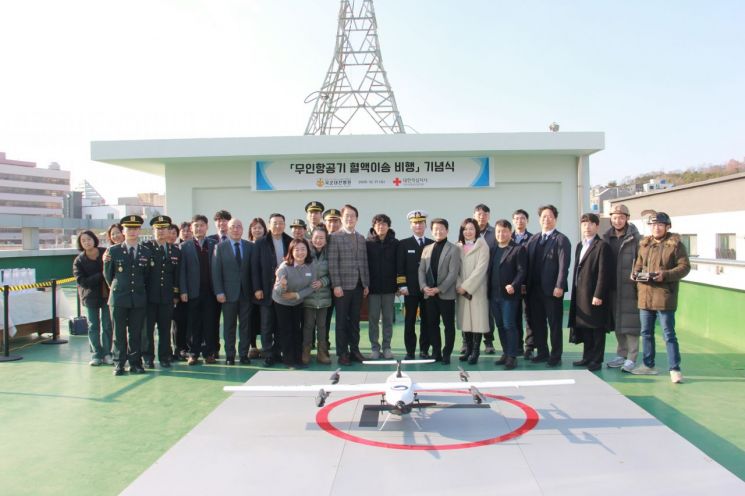
Son Cheol-woong, Director of Future Strategic Industries at Daejeon City, stated, "This demonstration confirmed that medical drone delivery can be applied in real-world settings. Moving forward, we will gradually develop safe and reliable utilization plans based on the accumulated demonstration results and operational experience."
Lee Guk-jong, Director of the Armed Forces Daejeon Hospital, said, "Through public-private-military cooperation, we have successfully carried out South Korea's first long-distance unmanned aerial blood delivery. The transport of blood samples is significant for establishing an aerial military logistics support system for remote medical consultations and advanced treatments in field and isolated units."
© The Asia Business Daily(www.asiae.co.kr). All rights reserved.
![Clutching a Stolen Dior Bag, Saying "I Hate Being Poor but Real"... The Grotesque Con of a "Human Knockoff" [Slate]](https://cwcontent.asiae.co.kr/asiaresize/183/2026021902243444107_1771435474.jpg)


















