Wonju City Focuses on Livelihood Stability and Future Growth
Wonju City Council Approves Next Year's Budget at Plenary Session
Administrative Efforts Concentrated on Citizen Well-being and Leading Future Industries
The Wonju City budget for next year, totaling 1.7412 trillion won, was finalized at the 4th plenary session of the 261st Wonju City Council held on December 19. This represents an increase of 73.5 billion won compared to this year, and consists of 1.5289 trillion won in the general account and 212.3 billion won in the special account.
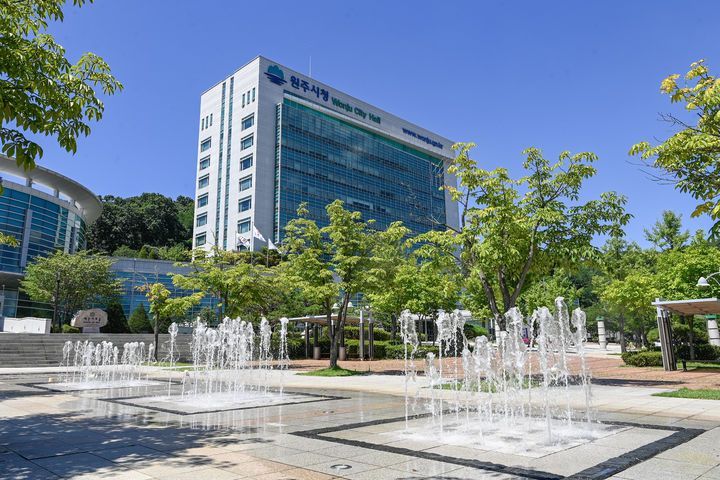
Wonju City formulated its budget based on sound and efficient fiscal management, taking into account the uncertain economic environment. In particular, the city focused on ensuring tangible stability in citizens' daily lives and fostering sustainable future growth.
To revitalize the local economy, the city prioritized the recovery of the livelihood economy by allocating 1.9 billion won for small business management stabilization funds, 3.4 billion won for interest subsidies on SME development funds, 2.5 billion won for the issuance of the Wonju Love Gift Certificate, and 800 million won for the Wonju Dumpling Festival, among other initiatives.
In line with the central government's policy of fostering high-tech industries, the city made active investments to build a foundation for sustainable future growth. This includes 5.1 billion won for the construction of the Korea Semiconductor Training Institute, 4.7 billion won for establishing a semiconductor consumables demonstration center, 2.2 billion won for building a reliability verification center for future vehicle electronic component system semiconductors, 1.5 billion won for the Future Clean Industry Challenge Center, and 2.4 billion won to lead innovation in digital twin convergence medical technology.
The social welfare budget, which accounts for about 49% of the general account, increased by 27.1 billion won compared to the previous year. The city worked to address demographic changes and strengthen welfare for vulnerable groups by including 8.1 billion won for the Dream Fulfillment Voucher Program, 163.3 billion won for the Basic Pension, 71.9 billion won for livelihood support, and 44.4 billion won for infant and child care subsidies.
For the development of regional infrastructure, the budget includes 18 billion won for the expansion and paving of the western regional transportation network, 7.6 billion won for the construction of the Eastern Ring Road, and 2 billion won for the connection road to the Gwanseol-dong Hi-Pass IC.
Additionally, to create a safer city, the budget includes 4 billion won for disaster prevention at Heungyangcheon, 2.4 billion won for the maintenance of national rivers, and 1.1 billion won for the improvement of the Mujang natural disaster risk zone. In the fields of culture and tourism, the city plans to expand leisure infrastructure for citizens by investing 2.5 billion won in the construction of a Children's Art Center, 4.9 billion won in the construction of the Wonju City Art Museum, and 5.3 billion won in the construction of the Guryongsa Meditation Center.
Won Kangsu, Mayor of Wonju, stated, "Despite challenging fiscal conditions, we have prepared the budget solely from the perspective of Wonju citizens," adding, "We will execute next year's budget according to its planned objectives to bring about changes that citizens can truly feel."
© The Asia Business Daily(www.asiae.co.kr). All rights reserved.

















