Gyeonggi Province has tracked down hidden assets of high-value delinquent taxpayers and collected 1.8 billion won in local tax arrears.
From February to November, Gyeonggi Province conducted a focused investigation into high-value local tax delinquents suspected of concealing assets by thoroughly analyzing check issuance and uncollected check information from 12 major financial institutions over a 10-month period.
An uncollected check refers to a check issued by a bank that has not yet been cashed. Since delinquents can keep these checks or cash them through a third party, they are considered assets with a high potential for being misused as a means of concealing property. Gyeonggi Province explained that it analyzed uncollected checks to track hidden assets that were difficult to identify through conventional financial asset investigations.
The investigation revealed that the total amount of uncollected checks held by 299 delinquents, each owing more than 10 million won in local taxes, reached 19.4 billion won. The combined local tax arrears of these 299 individuals amounted to 16.9 billion won, which is less than the total value of their uncollected checks.
Accordingly, Gyeonggi Province identified 7.1 billion won in uncollected checks held by 164 individuals, excluding 135 who had already been subject to seizure through last year's investigation, and seized their claims for reimbursement (the right to receive the check amount). Of these, 66 individuals were subject to both home searches and on-site collections, resulting in the recovery of a total of 1.1 billion won in arrears.
In addition, to account for the possibility that delinquents may have cashed the checks through third parties, the authorities identified 39 payees (individuals who presented the checks at banks and received the cash). Gyeonggi Province plans to analyze whether these payees are connected to the delinquents and use the findings for further investigations and selection of targets for home searches to trace hidden assets.
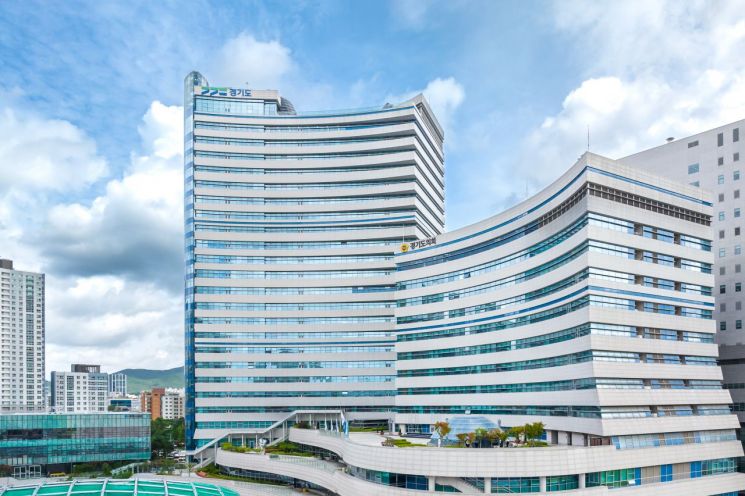
From August to October, Gyeonggi Province also conducted a comprehensive investigation into farmland preservation charge refunds. The farmland preservation charge is a fee imposed when farmland is converted for other uses, and refunds may arise due to permit cancellations, changes in business plans, or overpayments.
Since there have been cases where delinquents used such refunds as a means of concealing assets, the province seized 200 million won in farmland preservation charge refunds from 22 refund recipients with arrears of more than 3 million won. Through this, 70 million won in arrears was collected from 14 individuals.
The province also tracked hidden assets through foreign currency transactions. By thoroughly investigating overseas foreign currency remittance records from nine major financial institutions, Gyeonggi Province seized 600 million won in foreign currency balances from 269 high-value foreign currency transaction delinquents. Subsequently, through home searches and on-site collections, 600 million won was collected from 108 individuals and used to offset local tax arrears.
No Seungho, Director of the Tax Justice Division of Gyeonggi Province, stated, "Through strong collection activities that respond to various concealment methods, we will continue to track down and recover the hidden assets of malicious delinquents who intentionally evade their tax obligations."
© The Asia Business Daily(www.asiae.co.kr). All rights reserved.

















