Regulations Increasing Worldwide, but Side Effects and Limitations Persist
"Empowering Adolescents Is More Important Than Regulation"
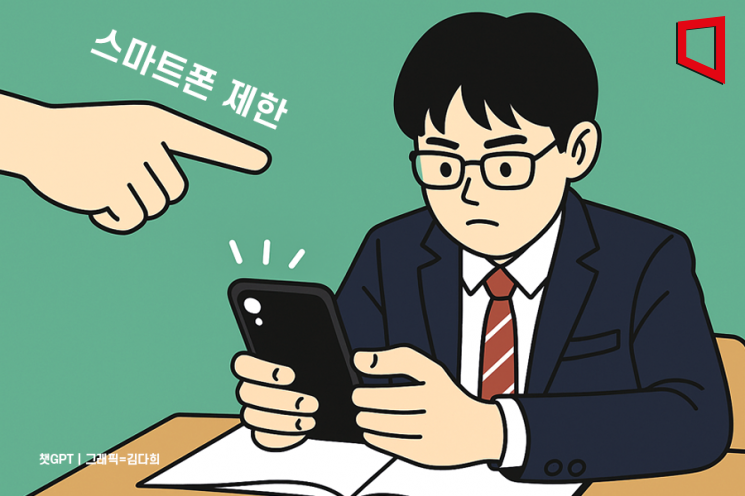
There has been a call to provide education that enables adolescents to independently utilize digital information, alongside regulations on smartphone use. From next year, students will be completely banned from using smartphones during class time, and regulations on adolescent smartphone and social media use are increasing both domestically and internationally. However, the argument is that simply imposing restrictions is not sufficient.
On December 15, the Korea Educational Development Institute released a report titled "Discussion on Restrictions on Adolescents' Use of Smartphones and Social Media and Educational Implications," which addressed international trends regarding the ban on smartphone use during class. The report stated, "Protecting adolescents in the digital environment requires not only technical regulations but also an educational approach." Previously, in August, the National Assembly passed a revision to the Elementary and Secondary Education Act to restrict the use of smartphones and other digital devices during class from next year.
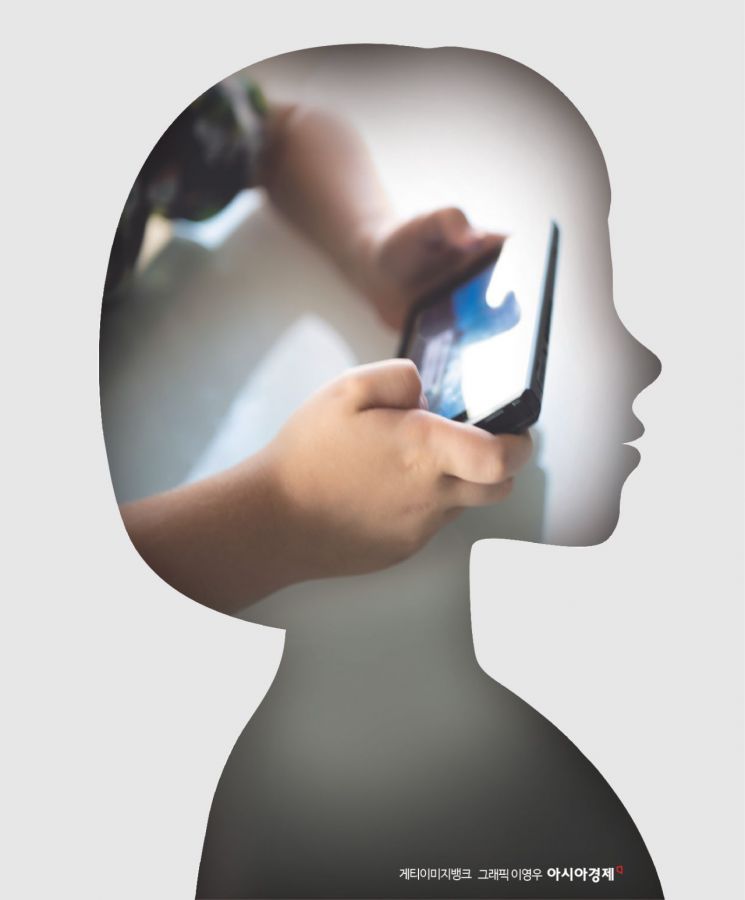
Countries overseas that have attempted to regulate adolescent smartphone and social media use have experienced side effects. In the United Kingdom, even though strong age verification procedures were introduced for social media use, the regulations became ineffective as there was a surge in VPN downloads to bypass the restrictions. In the United States, state-level laws regulating adolescent social media use have been repeatedly blocked in federal courts, citing the First Amendment, which guarantees freedom of expression.
Nevertheless, it is undeniable that the increase in adolescents' use of digital devices and social media has reached a level that warrants concern. According to the Organisation for Economic Co-operation and Development (OECD), as of 2022, the proportion of adolescents whose online activity has reached a level that interferes with daily functioning was around 10% in many member countries. Experts believe that adolescent smartphone use and social media use are interrelated and cannot be considered separately, and that these two factors together exacerbate the problem of digital device overdependence.
The report emphasized, "Korean education should move beyond simply restricting or blocking adolescents' media use and instead support autonomous decision-making and responsible behavior." The research team stated, "Regulation is a temporary means of control, but ultimately, it is important to foster adolescents' ability to recognize and judge risks." They further suggested, "Schools should create educational environments that address both the risks and benefits of social media in a balanced way, and teacher training should be enhanced to strengthen teachers' expertise in guiding students' online activities."
© The Asia Business Daily(www.asiae.co.kr). All rights reserved.


















