China to Eliminate Out-of-Pocket Childbirth Expenses Within Policy Scope
New Basic Service Package Including Prenatal Examinations Introduced
Population Declines for Three Consecutive Years... Economic Downturn Concerns
China, which is facing a low birthrate problem, plans to eliminate personal costs related to childbirth nationwide starting next year. According to Yonhap News Agency on the 14th, citing Xinhua News Agency, "On the 13th, Chinese authorities held a national medical security work meeting and announced their policy to reasonably increase the coverage level of prenatal examination medical expenses based on the capacity of the medical insurance fund, and to essentially eliminate out-of-pocket childbirth expenses within the policy scope starting next year."
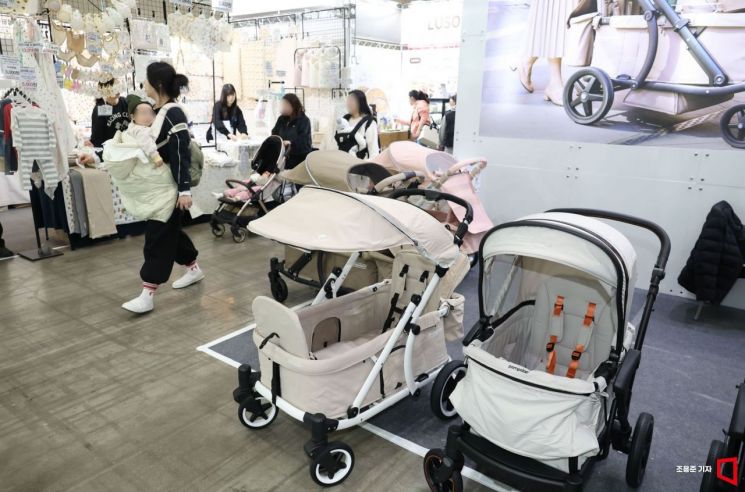
Currently, in China, seven provinces, including Jilin, Jiangsu in the east, and Shandong, fully cover inpatient childbirth medical expenses within the policy scope. Now, this support will be expanded nationwide. Zhang Ke, Director of the National Healthcare Security Administration, explained, "The goal is to eliminate out-of-pocket expenses for inpatient childbirth costs listed under medical insurance, from the moment a pregnant woman is admitted to the hospital until she is discharged with her baby."
The authorities also stated, "We will strive to expand the coverage of maternity insurance to flexible workers, migrant workers (those who move from rural to urban areas for jobs), and workers engaged in new forms of employment outside traditional categories."

Plans to establish a basic service package that includes prenatal examinations are also under discussion. The authorities have decided to reduce the medical expense burden for maternity insurance subscribers, include appropriate labor pain management programs in the support scope, and improve policies for managing medical insurance payments for assisted reproductive technology programs. In addition, they plan to improve the system so that maternity subsidies are delivered directly to insurance subscribers.
In China, amid economic slowdown, the burden of high child-rearing and education costs, as well as youth employment difficulties, has led to a growing trend of avoiding marriage and childbirth. China's birth rate over the past three years has been less than half the replacement level of 2.1 needed to maintain the population. The annual number of births in China has remained below 10 million for three consecutive years from 2022 to last year, resulting in a population decline for three years in a row.
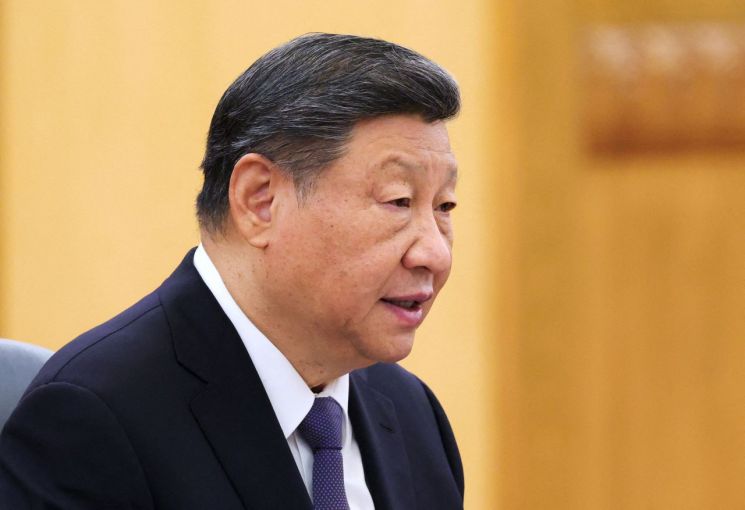
Last year, China's population decreased to 1.408 billion, with more deaths than births. Meanwhile, the proportion of the population aged 65 and older increased from 13.5% in 2020 to 15.6% in 2024. The number of people aged 60 and older reached 310 million, accounting for 22% of the total population, up 6.5 percentage points from 15.5% a decade ago. As a result, 20 out of China's 34 provincial-level administrative regions have entered the stage of a moderately aged society. China classifies a "moderately aged society" as having either more than 14% of the population aged 65 and older or more than 20% aged 60 and older.
Previously, the Intelligence Unit (EIU), a think tank under The Economist in the United Kingdom, projected that due to the declining birthrate and deaths among the elderly, China's population would fall below 1.4 billion by 2035. Consequently, there are also forecasts of a slowdown in economic growth. The International Monetary Fund (IMF), in its 2023 Regional Economic Outlook, predicted that China's growth rate would gradually decline to 3.8% in 2027 and 3.4% in 2028.
© The Asia Business Daily(www.asiae.co.kr). All rights reserved.



















