Gyeonggi Province Prepares for Korail and Seoul Metro Strike
24-Hour Emergency Transportation Headquarters to Operate from December 10
All-Out Effort to Minimize Inconvenience for Residents by Increasing Buses and Extending Last Departures
Gyeonggi Province announced on December 10 that it is preparing emergency transportation measures to minimize inconvenience for residents in response to the indefinite general strike announced by the KORAIL railway union and the Seoul Metro union. The core of these measures includes increasing the number of intercity, metropolitan, and city buses, as well as extending the last village bus services, in order to prepare for a potential transportation crisis in the Seoul metropolitan area due to the strike.
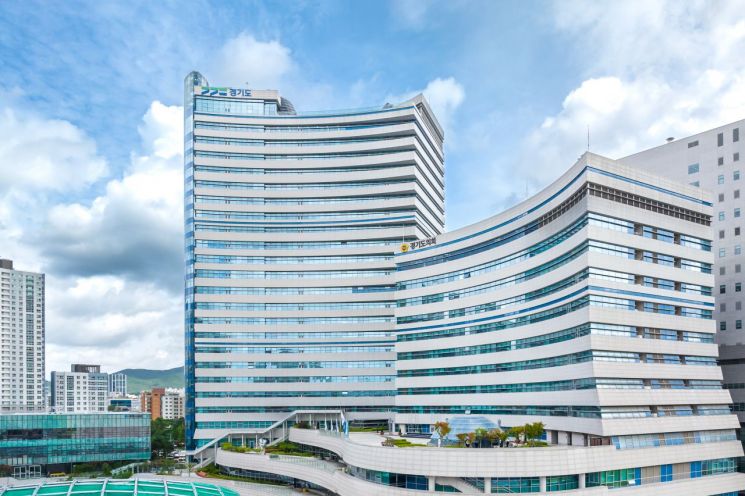
Gyeonggi Province will establish an Emergency Transportation Countermeasure Headquarters after a meeting with the Ministry of Land, Infrastructure and Transport, and plans to operate a 24-hour situation room from December 10, the day before the KORAIL railway union strike, until the strike ends.
The Gyeonggi Province Emergency Transportation Countermeasure Headquarters will consist of a General Affairs Team and a Transportation Measures Team. The General Affairs Team will be responsible for operating the situation room, coordinating with related agencies, monitoring the strike situation, and running a 24-hour disaster safety situation room. The Transportation Measures Team will be in charge of emergency transportation measures for buses and taxis.
The Emergency Transportation Countermeasure Headquarters will focus on the main railway networks in the metropolitan area, deploying 3,228 vehicles on 282 metropolitan bus routes and 2,097 vehicles on 169 city bus routes, especially during rush hours, to increase transport capacity. They will also monitor demand and, for routes experiencing increased congestion, deploy an additional 26 metropolitan buses and 28 city buses as reserve vehicles, and mobilize chartered buses if necessary.
For intercity buses, 68 additional vehicles will be deployed on 30 routes using reserve vehicles owned by each company, resulting in an increase of 107 trips. For village buses, the last bus service on 807 routes, totaling 2,901 vehicles, may be extended by one hour late at night according to the specific circumstances of each city or county. Taxi unions and local governments will also be requested to actively encourage taxi operations during the strike period.
Additionally, 24-hour situation monitoring will be conducted to prepare for emergencies such as crowd accidents. Extra safety personnel will be assigned at major stations on six lines managed by Gyeonggi Province (Uijeongbu Light Rail, Yongin Light Rail, Gimpo Gold Line, Line 7 Bucheon section, Hanam Line, and Byeollae Line). Major transfer stations in the province will also undergo on-site congestion checks to thoroughly prevent safety accidents.
Once the strike begins, the Gyeonggi Province Emergency Transportation Countermeasure Headquarters will promptly provide information to residents regarding train service suspensions and bus operations through the media, the Gyeonggi Transportation Information Center website, and the Gyeonggi Bus Information app.
Han Tae-woo, Director of Railway Operations at Gyeonggi Province, stated, "We will do our utmost to minimize inconvenience for residents by supporting alternative transportation during the railway strike and to prevent safety accidents caused by crowded stations."
© The Asia Business Daily(www.asiae.co.kr). All rights reserved.

















