The financial authorities announced on December 1 that they have issued a consumer alert (caution) due to concerns over potential financial fraud, such as voice phishing and smishing, following the recent Coupang personal information leak incident.
According to the Financial Services Commission, fraudsters may use leaked personal information such as names and addresses to impersonate government agencies or financial institutions and approach victims. They may pretend to offer services such as checking leaked information or confirming whether a victim has been affected, and induce the installation of remote control applications or malicious apps. There is also concern that they may send smishing messages to lure victims into entering financial information under the pretense of compensation or refund procedures.
The Financial Services Commission emphasized that government agencies and financial institutions never request app installations via phone calls or text messages. Therefore, consumers should never click on internet URLs in text messages from unknown senders and should delete such messages immediately. The commission also added, "If malicious apps are installed, personal information stored on the phone may be leaked, so information required for identity verification (such as resident registration numbers) should never be stored on mobile phones."
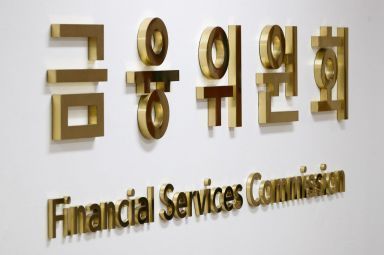
Meanwhile, to protect consumers from financial fraud crimes such as identity theft, the Financial Services Commission is implementing the 'Three-Step Financial Transaction Safety Blocking Service' for credit transactions, non-face-to-face account openings, and open banking. By subscribing to the Safety Blocking Service, consumers can prevent unauthorized execution of loans, non-face-to-face deposit account openings, and open banking transactions, thereby stopping potential damage in advance.
The Safety Blocking Service can be easily applied for by visiting a branch of a financial institution (including banks and mutual finance institutions) with which the consumer transacts, or through Account Info or bank apps. Even after applying for the service, consumers can visit a financial institution branch at any time to deactivate the service if necessary. Once the service is deactivated, the relevant financial transactions become immediately available, and re-enrollment in the service is also possible.
The financial authorities stated that they are making every effort, in cooperation with the financial sector, to prevent secondary damages resulting from personal information leaks. The authorities said, "We have instructed financial institutions to check their rapid response systems for voice phishing damage and to strengthen monitoring of suspicious financial transactions. We will closely monitor trends in damage reports and respond swiftly in the event of any incidents."
© The Asia Business Daily(www.asiae.co.kr). All rights reserved.

















