Establishing a Legal Basis for Designating Sports Cities and Expanding National Support
Expanding Sports Infrastructure through Facilities, Events, and Tourism
Improving Local Sports Environments to Enhance Public Health and Revitalize Regional Economies
Koo Ja-geun, Member of the National Assembly for Gumi City Gap, North Gyeongsang Province (People Power Party), announced on November 26 that he had sponsored the partial amendment to the National Sports Promotion Act, which designates "Sports Cities" and establishes a legal basis for expanding national support for sports infrastructure.
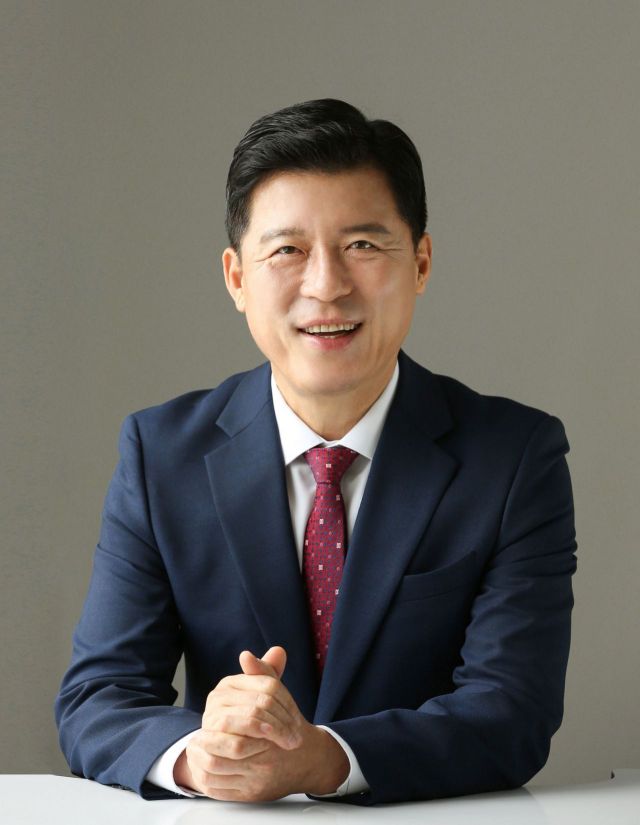 Gujageun, Member of the National Assembly for Gumi City Gap, North Gyeongsang Province (People Power Party) / Photo by Kim Ihwan
Under the current law, the national and local governments are required to establish policies for promoting national sports and to support the creation of facilities and conditions to improve the health and fitness of local residents. However, many local governments still face difficulties in expanding sports infrastructure.
Currently, the Ministry of Culture, Sports and Tourism is supporting local sports events through regional specialized sports infrastructure projects. According to the Korea Sports Promotion Foundation, which oversees the program, selected local governments receive up to 500 million won per year for a maximum of three years. In 2023, eight local governments received support, another eight in 2024, and three in 2025. Through local government matching funds, they have operated various sports competitions and sports tourism products.
However, there are calls for more groundbreaking support measures-similar to the "Culture City" initiative-to build sports infrastructure such as facilities and programs and to revitalize local economies through diverse sporting events.
Currently, the Ministry of Culture, Sports and Tourism is running the "Culture City" project under the Regional Culture Promotion Act, providing 20 billion won over three years (10 billion won in national funding) to selected local governments through an annual competition. Each local government establishes and implements its own Culture City development plan to promote local culture and attract tourists, thereby revitalizing the regional economy.
The amendment proposed by Koo Ja-geun includes the establishment of a Sports City Review Committee, the requirement for local governments applying for designation to develop a Sports City development plan, procedures for Sports City designation, and support for Sports Cities. This provides a legal basis for local governments to take the lead in improving sports infrastructure, with government support.
Koo Ja-geun stated, "Sports infrastructure in local areas is closely linked to the health of residents and can contribute to revitalizing the local economy, so active government support is needed. I hope that comprehensive and robust support, such as improving community sports facilities and holding regionally specialized sports events, will help enhance the foundation for sports activities in local areas."
Meanwhile, since the 21st National Assembly, Koo Ja-geun has worked to improve the sports environment in Gumi City. Last year, he attracted the country's largest track and field training facility, the Air Dome (with a total project cost of 15 billion won). He also secured numerous national funds, including 700 million won for the construction of the Dobong Sports Center, 2.1 billion won in national funding for the renovation of the Citizens' Sports Complex, 1.56 billion won in national funding for the renovation of the Park Chung-hee Gymnasium, and 1.5 billion won in national funding for the renovation of the Olympic Memorial National Fitness Center.
In September, he also secured the Sangmo-Sagok and Imo National Sports Center construction project (with a total project cost of 16.3 billion won), further strengthening efforts to improve regional sports infrastructure.
© The Asia Business Daily(www.asiae.co.kr). All rights reserved.

















