Anxiety and Depression Scores Reduced by More Than Half at Discharge Compared to Admission
Integrative Korean medicine treatments have been found to be effective in alleviating psychological stress experienced after traffic accidents. In particular, pharmacopuncture therapy was shown to be more effective than other Korean medicine treatments.
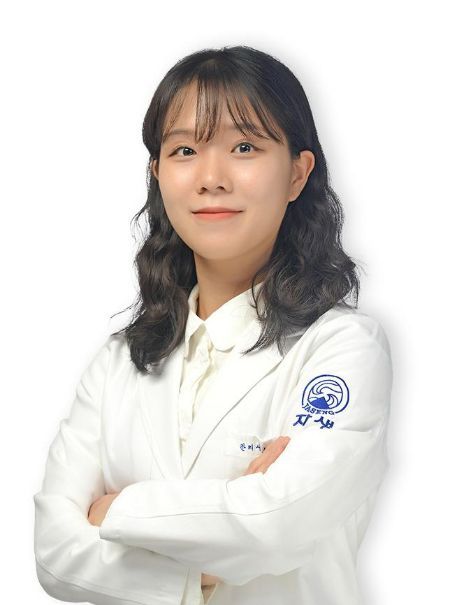 Son Jayeon, Oriental Medicine Doctor at Jaseng Hospital of Korean Medicine Spine and Joint Research Institute
The Spine and Joint Research Institute at Jaseng Hospital of Korean Medicine, together with Professor Shin Byungchul’s research team from Pusan National University School of Korean Medicine, recently published these findings in the SCI(E)-listed international journal 'Integrative Medicine Research' (IF 3.0) on November 26.
Even when physical trauma is minor, traffic accidents can lead to a variety of psychological aftereffects, such as anxiety, depression, and insomnia. If these psychological aftereffects persist for an extended period, they can have a negative impact on daily life, social activities, and returning to work, affecting overall quality of life.
Typically, specialized counseling or prescriptions for antidepressants and anxiolytics are used to address these psychological aftereffects. However, psychotherapy can be time-consuming and costly, while drug therapy may cause various side effects such as insomnia, dizziness, and gastrointestinal disorders.
As a result, Korean medicine treatments have recently gained attention as an effective alternative therapy for these aftereffects. In particular, pharmacopuncture therapy enhances treatment effectiveness by injecting herbal extracts derived from natural substances into acupuncture points, while also reducing the risk of side effects. However, most previous studies on pharmacopuncture therapy have focused on musculoskeletal disorders, leaving a lack of scientific evidence for its effectiveness in treating psychological symptoms after traffic accidents.
In response, Son Jayeon, Oriental Medicine Doctor at Jaseng Hospital of Korean Medicine Spine and Joint Research Institute, and Professor Shin Byungchul’s research team conducted a joint study to analyze the effects of pharmacopuncture therapy on psychological stress following traffic accidents. The research was conducted on 50 patients who were admitted to the Haeundae Jaseng Hospital of Korean Medicine within three days of a traffic accident, between November 2023 and April 2024. All participants exhibited moderate or higher levels of psychological stress symptoms based on the Hospital Anxiety and Depression Scale (HADS).
All patients received integrative Korean medicine treatments for musculoskeletal symptoms during their hospital stay, including acupuncture, pharmacopuncture, and Chuna manual therapy. The pharmacopuncture group (25 patients) received an additional daily session of stress-relieving pharmacopuncture therapy from the second day of admission until the day before discharge, specifically aimed at psychological stabilization. Pharmacopuncture formulas such as Hwangryunhaedoktang, Jaha-geo, and Gamisa-mulansintang were selected based on each patient’s symptoms and constitution, and treatments were administered to acupuncture points on the chest, epigastric region, lower abdomen, and ankles. The primary evaluation indicator was the total HADS score (HADS-T), and additional assessments included subcategories such as HADS-A (anxiety), HADS-D (depression), and the Numeric Rating Scale (NRS) for anxiety, depression, and physical pain.
The results showed that the HADS-T score (range 0-42) in the pharmacopuncture group decreased from 15.84, indicating moderate severity, to 6.82 at discharge, representing an improvement of nearly 60%. In the general Korean medicine treatment group, the score dropped from 15.04 to 9.11, a 40% reduction. The NRS results also showed that subjective symptoms in the pharmacopuncture group were significantly alleviated compared to the general treatment group. Specifically, the NRS for anxiety in the pharmacopuncture group decreased from 5.64 before treatment to 2.23 after treatment, and for depression, from 5.28 to 2.17, showing an improvement of over 50%. In contrast, the reduction rate for anxiety and depression NRS in the general treatment group was about 40%, indicating that combining stress-relieving pharmacopuncture therapy yielded an approximately 10 percentage point greater effect.
Son Jayeon stated, "Psychological stress, such as anxiety and depression, after a traffic accident tends to recover slowly over time and can lead to a long-term decline in quality of life," adding, "We will continue to conduct various studies to provide integrative Korean medicine treatments that address both the physical and psychological recovery of traffic accident patients."
© The Asia Business Daily(www.asiae.co.kr). All rights reserved.
!["The Woman Who Threw Herself into the Water Clutching a Stolen Dior Bag"...A Grotesque Success Story That Shakes the Korean Psyche [Slate]](https://cwcontent.asiae.co.kr/asiaresize/183/2026021902243444107_1771435474.jpg)
















