Excessive Shoulder Use and Impact
Tendon Damage and the Risk of Shoulder Impingement Syndrome
Last week, the tvN variety show "I Am Boxer," with actor Ma Dongseok serving as executive producer, aired and quickly became a hot topic.
With over 100 participants, including boxers, athletes from various combat sports, influencers, and well-known actors, the show featured a survival game that showcased the appeal of boxing. As a result, it achieved the highest viewer ratings among cable and general programming channels during its time slot. In July, tvN also introduced a boxing-themed variety show with "Iron Girl Squad Season 2."
Recently, interest in and participation in boxing has been surging across all age groups, regardless of gender.
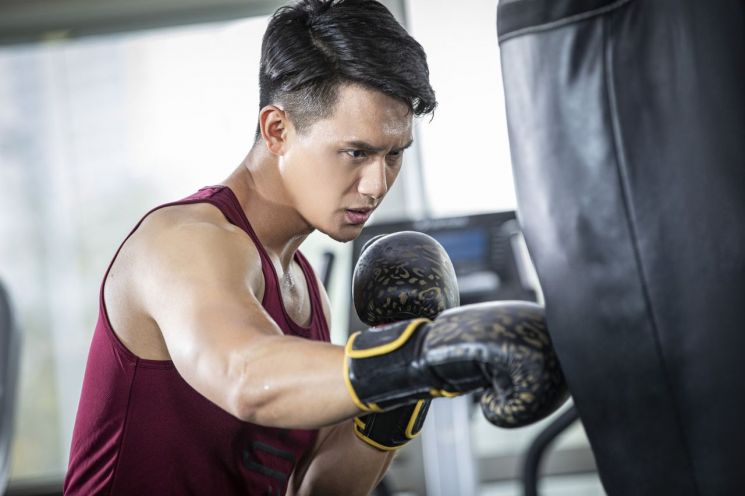
Boxing is a sport that heavily utilizes joints such as the wrists and shoulders. Because boxing mainly involves striking, and headgear is worn during matches to protect the head and face, the risk of joint injuries is actually higher.
When hitting a sandbag or throwing a punch during a match, the impact is felt not only by the opponent but also by the boxer's own shoulder. Repeated impact and pressure on the shoulder can lead to pain and injury. Actress Lee Siyoung, who competed as a boxer in the National Sports Festival, also quit boxing due to a shoulder injury.
The most common shoulder joint disorder is shoulder impingement syndrome. This condition is caused by repeated and excessive use, which leads to internal collisions in the shoulder, resulting in inflammation and pain. Inside the shoulder is a tendon called the "rotator cuff," which plays a crucial role in joint movement. If the tendon becomes swollen or if bone growth occurs under the shoulder blade, the space through which the tendon passes narrows, causing inflammation and pain.
Shoulder impingement syndrome typically occurs in people who repeatedly lift heavy objects or work for extended periods with their arms raised above shoulder level, such as wallpapering or plastering.
Additionally, it frequently develops in those who engage in sports that require the arms to be raised above the head, such as boxing, baseball, tennis, badminton, swimming, and volleyball. As people age, degenerative changes can also narrow the space for the tendon, even without exercise.
Usually, severe pain occurs when the shoulder is raised about 60 to 90 degrees. Most patients report pain when the arm is lifted sideways to about 90 degrees while the shoulder blade is held down from above. If you hear a clicking sound or feel persistent stiffness in your shoulder, you should suspect shoulder impingement syndrome.
If shoulder pain occurs during exercise such as boxing or while working, it is important to visit a hospital and consult a specialist to check the nature and characteristics of the pain, pain-inducing postures, and muscle atrophy. Additional tests such as X-rays, ultrasound, CT, or MRI may be performed to obtain an accurate diagnosis and identify the cause.
If left untreated, shoulder pain can lead to decreased use of the shoulder joint and progress to rotator cuff tears, making early treatment essential. In the early stages, reducing shoulder use and avoiding pain-inducing postures can improve symptoms. Applying cold packs and taking anti-inflammatory painkillers usually allows a return to daily life within one to two weeks.
If initial treatment is delayed and the condition becomes chronic, physical therapy may be combined with direct injections around the shoulder tendon or steroid injections to reduce inflammation. Extracorporeal shockwave therapy, which reduces inflammation around the tendon and promotes regeneration of damaged tendons, can also be effective. In cases of severe pain and damage, surgical treatment such as arthroscopic removal of inflamed tissue, acromioplasty to trim overgrown bone, and rotator cuff repair may be considered.
After shoulder surgery, rehabilitation is typically required for three to six months, and strenuous exercise or habits that put stress on the joint should be avoided. Rehabilitation should be carried out according to the physician's instructions after surgery. Properly managing the range and amount of exercise is essential for a quicker return to daily life, so patient effort is important.
Lee Heeseong, Director of the Spine and Joint Center at Ulsan Elijah Hospital (Orthopedic Specialist), advised, "To prevent shoulder joint disorders, avoid excessive use of the shoulder joint and take a break if you feel pain." He added, "When exercising, including boxing, adjust the intensity according to your health condition under professional guidance, and always perform sufficient warm-up and stretching before and after exercise." He also emphasized, "If you feel pain during exercise, do not ignore it. Visit a hospital immediately for treatment to protect your joint health."
© The Asia Business Daily(www.asiae.co.kr). All rights reserved.

















