Some Hospitals Refused Admission Even After Cardiac Arrest
Last month in Busan, a high school student exhibiting seizure symptoms died in an ambulance without being admitted to an emergency room. It has been revealed that emergency responders and the emergency situation management center inquired about patient admission at 14 hospitals, but were refused each time.
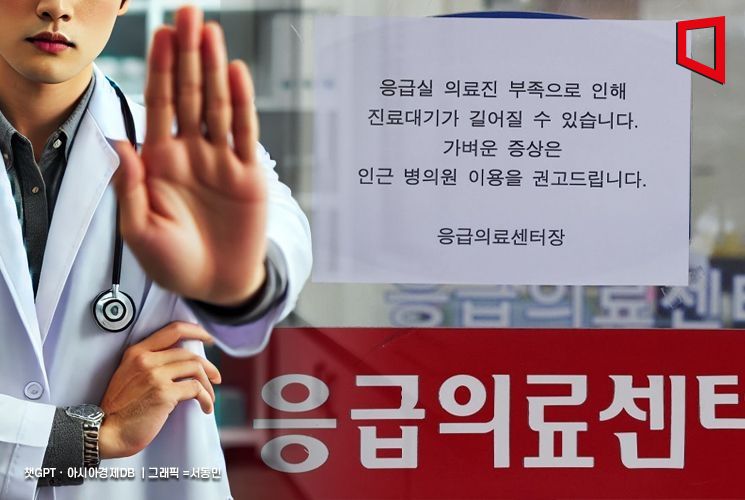
Approximately one hour and twenty minutes after the initial emergency call, the student was finally admitted to the fifteenth hospital contacted, but by then he was in cardiac arrest and ultimately passed away. This has sparked criticism that a life may have been lost due to the so-called "emergency room bouncing" issue.
The hospitals contacted by the emergency responders refused admission for reasons such as "unable to provide pediatric care," and some hospitals even declined to accept the patient after cardiac arrest, citing "unable to handle pediatric cardiac arrest."
According to data received on November 22 by Assemblyman Yang Bunam of the National Assembly's Public Administration and Security Committee from the 119 emergency response team and the Busan Fire Headquarters, at approximately 6:17 a.m. on October 20, a teacher at a high school in Busan reported to 119 that a male student had collapsed, was convulsing, but was still breathing.
The 119 emergency team arrived at the scene at 6:33 a.m., 16 minutes after the call was received. At that time, the patient was semi-conscious and experiencing severe convulsions.
The emergency team classified the patient as Level 2 (urgent) out of five levels according to the Pre-KTAS triage criteria, and, following protocol, began contacting regional and local emergency medical centers capable of treating seizure patients by phone.
The emergency team requested patient admission at Haeundae Paik Hospital at 6:44 a.m., Dong-A University Hospital at 6:49 a.m., Yangsan Pusan National University Hospital at 6:50 a.m., and Busan Paik Hospital and Pusan National University Hospital at 7:00 a.m.
However, the hospitals responded with statements such as "unable to admit pediatric critical patients," "unable to provide pediatric neurology care," and "will confirm and reply," ultimately refusing to accept the patient.
The emergency team, stating that it was difficult to find a hospital while simultaneously treating the patient, requested assistance from the Busan Fire Department's emergency management situation center in selecting a hospital.
According to the recorded transcript at the time, the emergency team said, "All three team members are attending to the patient. Hospital ○○ cannot accept, hospital △△ cannot accept, and hospital □□ says they cannot provide pediatric care and are refusing. Please help us find a hospital that can treat the patient. We are short-handed." The emergency situation management center responded, "We will try to find a hospital in another city or province if necessary."
The emergency situation management center checked with Changwon Hanmaeum Hospital, Haeundae Paik Hospital, Pusan National University Hospital, Dong-A University Hospital, Busan Paik Hospital, Dong-Eui Hospital, Kosin University Gospel Hospital, and Samsung Changwon Hospital regarding patient admission, but all refused.
However, Samsung Changwon Hospital explained that around 7:25 a.m., they received a patient admission request from the 119 control center and were in the process of confirming with the medical staff whether admission was possible. Six minutes later, at 7:31 a.m., the 119 control center called again to say the patient was being transferred to another nearby hospital in cardiac arrest and canceled the admission inquiry.
Samsung Changwon Hospital stated, "We did not refuse the patient."
Then, at approximately 7:25 a.m., as the patient's consciousness deteriorated and cardiac arrest occurred, the emergency team upgraded the patient's triage level to Level 1 (resuscitation).
Subsequently, at 7:27 a.m., the 119 call center contacted Busan Medical Center, but the hospital refused admission, stating "unable to handle pediatric cardiac arrest."
At 7:30 a.m., the emergency team received confirmation from Daedong Hospital, the fifteenth hospital contacted, that the patient could be admitted. The patient arrived at the hospital at 7:35 a.m., one hour and eighteen minutes after the initial emergency call.
In this incident, despite being a third-year high school student, most hospitals refused admission on the grounds that "it is difficult to provide care for pediatric patients." After the patient was transported to the hospital following cardiac arrest, the doctor who examined the body found severe trauma near the tailbone.
The fire authorities stated, "It cannot be definitively determined whether the patient's chances of survival would have been higher if he had been taken to the emergency room regardless of follow-up care (after emergency treatment). However, for Level 2 (urgent) patients, faster transfer to a medical institution for emergency care and appropriate treatment may be advantageous for the prognosis."
Assemblyman Yang said, "We must never again allow a situation where an emergency patient loses their life because timely hospital treatment was not received. The National Assembly, fire authorities, the Ministry of Health and Welfare, and the medical community must come together to develop realistic institutional improvements."
© The Asia Business Daily(www.asiae.co.kr). All rights reserved.
![User Who Sold Erroneously Deposited Bitcoins to Repay Debt and Fund Entertainment... What Did the Supreme Court Decide in 2021? [Legal Issue Check]](https://cwcontent.asiae.co.kr/asiaresize/183/2026020910431234020_1770601391.png)















