"Iron-Fisted Response" to Hezbollah's Re-Armament Moves
After agreeing to a ceasefire with the Palestinian militant group Hamas in the Gaza Strip, Israel is now intensifying its military operations in southern Lebanon.
On the 10th (local time), the Israel Defense Forces (IDF) announced that they had carried out an airstrike in the Srifa region of southern Lebanon, killing Samir Ali Faki, a member of the Iran-backed militant group Hezbollah. The Israeli military claimed that Faki was involved in arms smuggling. Additionally, the IDF stated that they struck Hezbollah facilities in the Bekaa region of southern Lebanon, where activities such as rocket launches had been detected. The previous day, Israeli forces also reported killing two Hezbollah terrorists in the southern Lebanese areas of Houmin al-Fawqa and al-Sawana. The IDF emphasized, "Their actions posed a threat to Israeli civilians and violated the ceasefire agreement between Israel and Lebanon," adding, "We will continue our operations to eliminate all threats."
The Israeli military has also been conducting frequent airstrikes in southern Lebanon, including the killing of Hezbollah militants involved in efforts to rebuild military facilities in places like Barashit on the 8th.
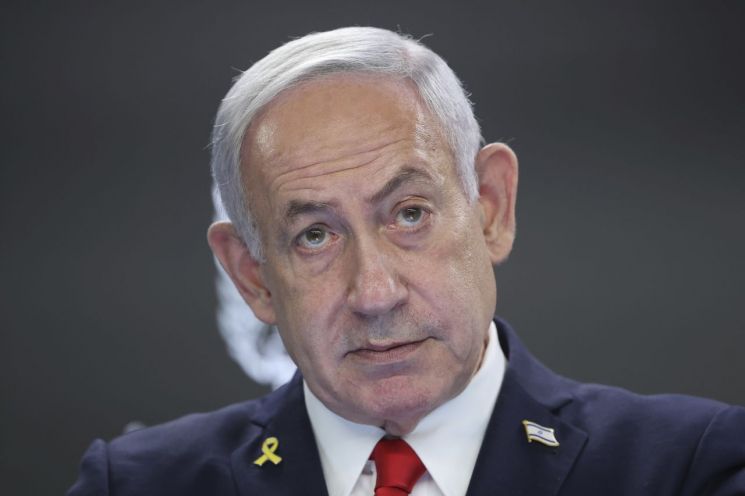
On the same day, Israeli Prime Minister Benjamin Netanyahu stated in a parliamentary speech, "We know what is happening in Lebanon every day," and warned, "We will enforce the ceasefire agreement with an iron fist against those who seek to destroy us." In this context, Israeli authorities have recently conveyed their dissatisfaction to the Lebanese government, expressing that "sufficient measures have not been taken to disarm Hezbollah." According to Israel, Hezbollah has been smuggling hundreds of rockets from Syria and recruiting thousands of new fighters in an effort to rebuild its organization.
Since the outbreak of the Gaza war, Israel had responded to Hezbollah-which supports Hamas-with limited airstrikes. However, in September last year, Israel launched a ground operation in southern Lebanon, only to agree to a ceasefire two months later through mediation by the United States and France. The terms of the ceasefire required Hezbollah to withdraw south of Lebanon's Litani River and for Lebanese government forces to take their place. Israel, however, claims that these conditions have not been properly implemented, and has established five outposts in southern Lebanon to continue its military actions.
Joseph Aoun, the pro-Western president of Lebanon who was newly elected in January this year, is under pressure from the United States to disarm Hezbollah. However, Hezbollah has pushed back, arguing that demands to halt its resistance against Israel could lead to another civil war in Lebanon.
© The Asia Business Daily(www.asiae.co.kr). All rights reserved.
![Clutching a Stolen Dior Bag, Saying "I Hate Being Poor but Real"... The Grotesque Con of a "Human Knockoff" [Slate]](https://cwcontent.asiae.co.kr/asiaresize/183/2026021902243444107_1771435474.jpg)
















