Mado Line 4 Raised in Taean Waters
First Discovery of Twin-Mast Structure and Use of Steel Nails
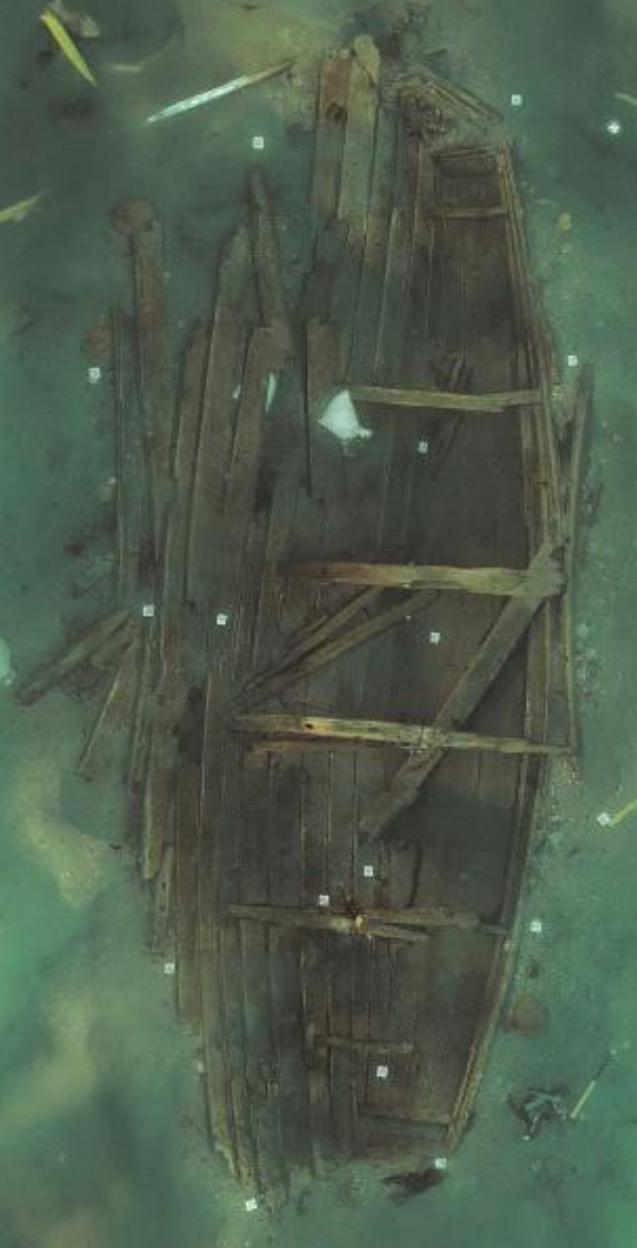
The only surviving Joseon Dynasty ship, which emerged from the sea for the first time in 600 years, has been revealed to the public.
The National Research Institute of Maritime Heritage announced on the 10th that it completed the raising of the Mado Line 4 shipwreck last month, following operations that began in April in the waters off Mado, Taean.
Mado Line 4 is a Joseon Dynasty grain transport ship that was discovered underwater in 2015. After its initial excavation, it was reburied in the sea for preservation, and has now been raised to mark the 10th anniversary of its discovery.
From Mado Line 4, approximately sixty wooden tablets inscribed with "Najugwangheungchang" and about 150 pieces of buncheong ware bearing the characters "Naeseom" were unearthed. This indicates that the ship was carrying tax grain and tribute collected from Naju, Jeolla Province, and was headed for Gwangheungchang in Hanyang (present-day Mapo District) when it sank. "Naeseom" refers to the Naeseomsi, the government office in the Joseon Dynasty responsible for managing royal tributes and hospitality items for foreign envoys.
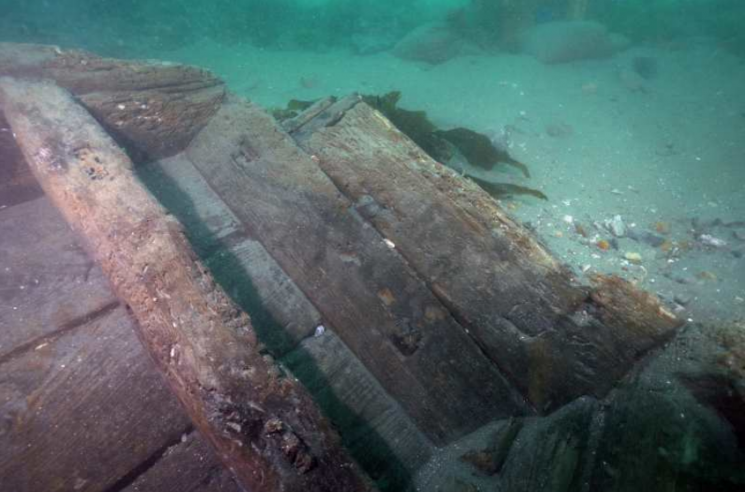
An official from the institute stated, "The buncheong ware was produced in the early 15th century, and radiocarbon dating revealed that the ship sank around 1420." Until now, only one ship from the Unified Silla period and seventeen from the Goryeo Dynasty had been excavated, making this the first physical discovery of a Joseon Dynasty vessel.
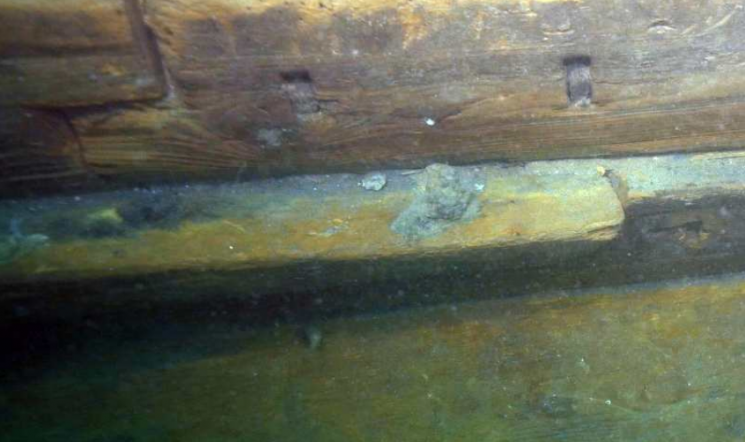
Mado Line 4 demonstrates the characteristics of early Joseon ships. Unlike Goryeo vessels, which had a single mast in the center, this ship features a twin-mast structure with masts at both the bow and the center. This likely allowed for increased sailing speed and easier adjustment according to wind direction. The front panel was also constructed with wooden planks arranged horizontally, rather than vertically, to enhance durability. Steel nails were used in the hull repairs, marking the first time such nails have been identified in an ancient Korean ship.
Meanwhile, during the raising of Mado Line 4 and simultaneous sonar surveys in the Mado waters, the institute discovered traces of another ancient shipwreck. Underwater investigations revealed eighty-seven pieces of celadon (produced between 1150 and 1175), a wooden anchor, ropes, rice seeds, as well as fragments of the hull and cargo supports. The composition of the artifacts is similar to those from Mado Line 1 and Line 2, suggesting this vessel also transported grain and ceramics.
This ship, which will be designated as "Mado Line 5," is estimated to date earlier than the previously excavated Taean ship (late 12th century), Mado Line 1 (1208), Mado Line 2 (circa 1210), and Mado Line 3 (circa 1265-1268). The institute plans to conduct excavations next year to further investigate its origins.
An institute official stated, "The year 2026 marks the 50th anniversary of Korea's underwater archaeological excavations," adding, "We are preparing commemorative events to celebrate this milestone with the public."
© The Asia Business Daily(www.asiae.co.kr). All rights reserved.



















