U.S. Considers Visa Restrictions for Applicants with Chronic Illnesses
"Health Status Now a Qualification Criterion"
According to a report by CBS on November 6 (local time), there is now a possibility that U.S. immigration visa applications may be denied if the applicant has chronic diseases such as diabetes or obesity.
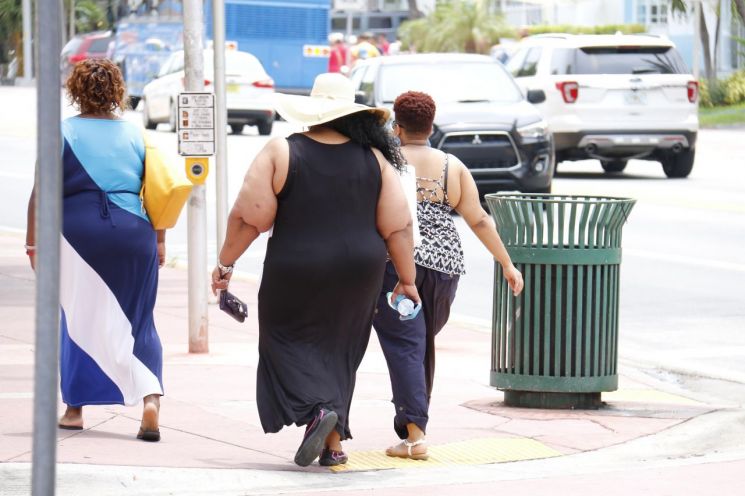 When applying for a U.S. immigration visa, having chronic diseases such as diabetes or obesity may result in visa issuance being denied. Pixabay
CBS reported that the U.S. Department of State recently issued new guidelines to embassies and consulates worldwide, instructing visa officers to comprehensively assess an applicant's age, health status, and likelihood of relying on public assistance when determining whether to grant entry. The new regulations are intended to more thoroughly evaluate whether immigrants could become a "public charge" to American society.
According to the guidelines, if an applicant's health is deemed likely to result in long-term medical or welfare expenditures, visa issuance may be denied. The Department of State stated, "The health status of visa applicants is directly linked to the possibility of becoming a public charge," and specified that "certain diseases can result in treatment costs of hundreds of thousands of dollars, so cardiovascular, respiratory, metabolic, neurological, and mental disorders must all be considered."
Experts noted that this measure has further strengthened the importance of health-related factors in the visa screening process. While the process has previously included checks for infectious diseases such as tuberculosis and vaccination history, the most significant change is that chronic diseases are now included in the scope of evaluation.
Charles Wheeler, an immigration attorney in the United States, predicted, "The new guidelines, in principle, apply to all visa applicants, but are likely to have a more direct impact, especially during the green card review process."
CBS interpreted the new guidelines as an extension of the anti-immigration policies that were strengthened during the administration of former President Donald Trump. The Trump administration strictly enforced the "public charge" criteria by emphasizing the deportation of undocumented immigrants and restricting visas.
The guidelines also added obesity, asthma, sleep apnea, and hypertension as factors to be considered when issuing visas. This stems from the view that chronic diseases could worsen public healthcare finances in the future. In addition, visa officers must verify whether applicants have the financial ability to cover their own medical expenses.
Not only the individual applicant's health, but also the health conditions of family members are reflected in the review. The Department of State instructed visa officers that "if there is a dependent family member with a chronic disease or disability, and there are concerns that the applicant may not be able to maintain employment, the health status of the family must also be considered in the visa issuance decision."
Experts warned that if these guidelines are implemented immediately, considerable confusion is expected. Currently, immigration applicants are already required to submit records of infectious disease screening and vaccinations from government-designated medical institutions, but including chronic diseases will make the review process much more complicated and inevitably delay visa issuance.
CBS pointed out, "Obesity and diabetes are already the most common chronic diseases worldwide, with one in ten adults suffering from diabetes," adding, "There may be controversy over how realistically these criteria can be applied." In fact, the number of obese people in the United States exceeds 100 million, and statistics show that diseases related to obesity are associated with 40% of all cancer cases.
Experts expressed concern, saying, "Obesity and diabetes are closely linked to social and environmental factors, so using them as criteria for immigration eligibility could raise fairness issues," and "Public health issues should not be used as a tool for immigration control."
© The Asia Business Daily(www.asiae.co.kr). All rights reserved.
![Clutching a Stolen Dior Bag, Saying "I Hate Being Poor but Real"... The Grotesque Con of a "Human Knockoff" [Slate]](https://cwcontent.asiae.co.kr/asiaresize/183/2026021902243444107_1771435474.jpg)
















