Discarded Offal Gains Attention as a Sustainable Protein Source
The Key Challenge Remains: Persistent Cultural and Psychological Aversion
Offal, long regarded as cheap meat or unappealing specialty cuts, is being rediscovered on Western tables as a "sustainable protein." As the "nose-to-tail" philosophy-which advocates using every part of a slaughtered animal-spreads, offal is emerging not as a symbol of poverty, but as a nutrient-dense ingredient with a lower environmental impact.
'Nose-to-Tail'... The Revival of Forgotten Cuts
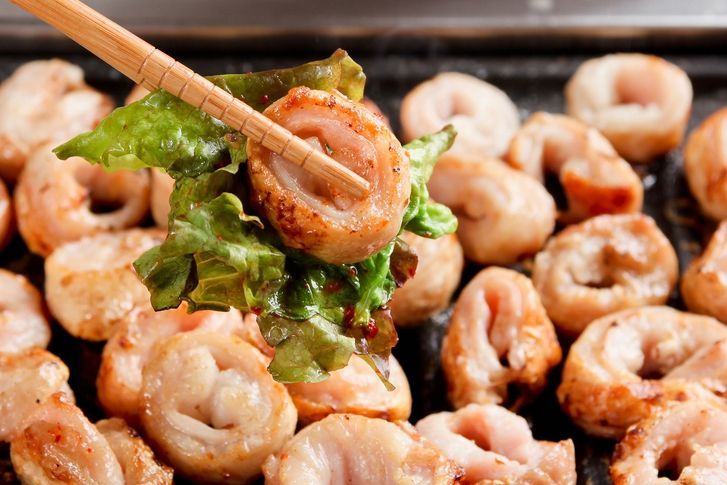 Offal, once avoided in Western countries, has recently gained attention as a "sustainable protein" from environmental and health perspectives. Photo by Getty Images Bank
On November 3 (local time), the UK’s Independent reported that "there is a growing discussion in Western countries about increasing the consumption of offal." The idea is to make every part of a slaughtered animal, from nose to tail, suitable for consumption. The movement to reduce food waste and minimize animal sacrifice is driving this value-based consumption of offal.
A Twist for 'Cheap Meat'... Nutrition and Sustainability Together
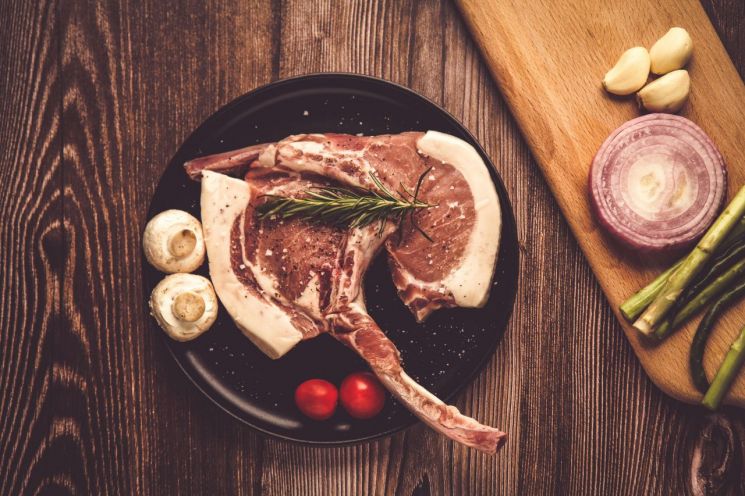 Offal, once avoided in Western countries, has recently gained attention as a "sustainable protein" from environmental and health perspectives. Pixabay
In Western countries, consumption has long focused almost exclusively on muscle cuts such as steak or leg of lamb. In contrast, organs like heart, liver, and kidneys were stigmatized as cheap meat, with large quantities either exported or discarded.
However, from a nutritional standpoint, offal is considered a "nutrient-dense food." For example, 100 grams of liver contains 36% of the recommended daily iron intake-about three times higher than ground beef. Offal is also rich in vitamins, minerals, and essential fatty acids.
Expanding offal consumption also has significant environmental implications. By reducing the number of animals that must be slaughtered to obtain the same amount of protein, food waste and greenhouse gas emissions from livestock can be decreased. For this reason, some sustainability researchers describe offal consumption as "the most practical and ethical shift in meat eating."
The Remaining Challenge: 'Cultural Aversion'
 Offal, once avoided in Western countries, has recently gained attention as a "sustainable protein" from environmental and health perspectives. Pixabay
The main issue is perception. Western consumers still view offal as "disgusting," "repulsive," or "potentially contaminated." In fact, a survey by UK researchers of 390 meat-eating consumers found that social stigma and cultural aversion were the biggest barriers to offal consumption. While health-conscious individuals were more positive about offal dishes, consumers reluctant to try new foods were negative. The analysis also showed that people who are sensitive to others’ opinions felt uncomfortable about eating offal themselves.
Experts emphasize that hygienic processing and proper cooking methods are essential for the safe consumption of offal. Offal is more easily digested when eaten with vegetables, but people with gout should avoid tripe and similar cuts high in purines. Even healthy individuals should be careful not to excessively increase their intake of cholesterol and saturated fats.
© The Asia Business Daily(www.asiae.co.kr). All rights reserved.



















