Abusing the Seven-Day Return Policy
Requesting Returns Even with Stains and Odors After Wearing
On Halloween Day, a growing number of inconsiderate consumers are purchasing costumes, wearing them once, and then immediately returning them, causing frustration among small business owners.
On November 4, various online communities were filled with posts boasting about saving money by returning Halloween costumes. Netizens shared comments such as, "I wore a 50,000 won movie character costume for two days and then returned it," "As long as you don't remove the product tag, you can return it," and "Wearing it once or twice and then sending it back is the most economical way."
Enjoying Halloween for a Day, Then Returning Costumes
 On October 31, Halloween Day, citizens walking along the central divider in Itaewon World Food Culture Street, Yongsan-gu, Seoul. Unrelated to the article. Photo by Yonhap News.
Some consumers are reportedly returning clothes with makeup stains, perfume scents, or food marks still on them. In addition, sellers have complained about receiving items with kimchi stains and strong body odor, or having to pay round-trip shipping costs because the return was processed as the seller's fault, even though there were clear signs of wear.
An online seller said, "There are many cases where returned items come back more than a month later through courier services," and added, "Even when there are obvious signs of use, it's difficult to respond, so most of the time we just treat it as a loss." The seller also mentioned, "If the item is still in good condition, we resell it as secondhand, but if it's badly damaged, we simply discard it."
In fact, Article 17 of the Electronic Commerce Act stipulates that consumers can cancel or return an order within seven days of receiving the product. However, there are growing concerns that this rule is being abused, with a surge in "wear and return" cases, leading to mounting losses for sellers.
Repeated on Holidays and Christmas... Concerns Over Consumer Losses
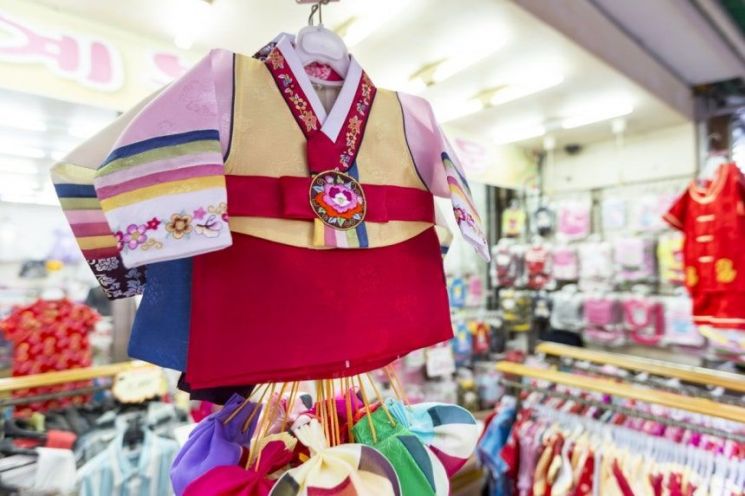
This issue is not limited to Halloween; it also recurs during major holidays and events such as Lunar New Year and Christmas. In particular, there are many cases where children's hanbok are worn for just one day and then returned after holidays like Seollal or Chuseok.
One contributor, identified as A, who claimed to be a Coupang employee, wrote on a thread in October last year, "The Coupang return center is basically a hanbok rental shop for kids. I folded hanbok more than 100 times while inspecting returns." This post spread widely across online communities, sparking controversy.
After last year's Chuseok holiday, similar complaints were shared. Another individual, B, who said they handled delivery work for Coupang, posted on social media, "People are really shameless. Since Coupang delivers even during the holidays, they order the day before, dress their kids in hanbok on Chuseok, then repackage and request a return in the afternoon."
In addition to hanbok, children's dresses and accessories for concerts or various events are also frequently returned after intentional use. Some point out that abuse of the free return policy by a minority of black consumers could negatively impact ordinary shoppers, potentially leading to higher membership fees or service restrictions.
E-commerce companies are strengthening return inspections and management of black consumers. Coupang, for example, has implemented a policy where sellers are not penalized for refusing sales to consumers who repeatedly abuse the return service.
© The Asia Business Daily(www.asiae.co.kr). All rights reserved.


















