NYT: "Gyeongju to Host 20,000, but Lacks Infrastructure"
Foreign media have reported on the insufficient preparations in Gyeongju, North Gyeongsang Province, the host city of the 2025 Asia-Pacific Economic Cooperation (APEC) Summit.
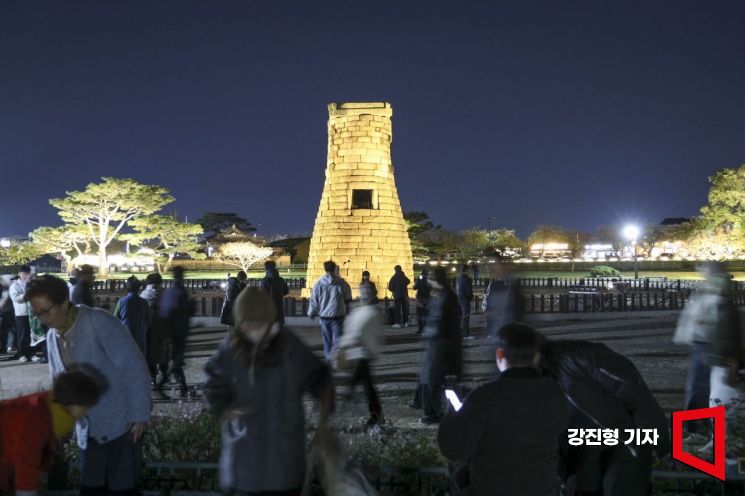
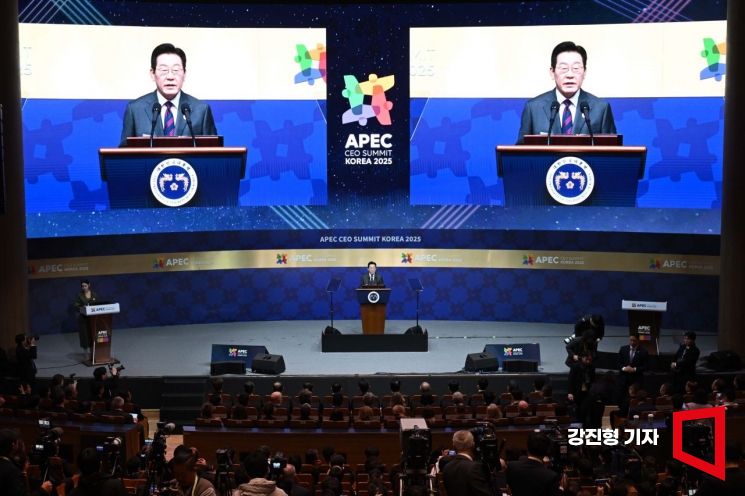
On the 28th (local time), The New York Times (NYT) reported, "Although 20,000 people, including U.S. President Donald Trump, Chinese President Xi Jinping, and major global business leaders, will gather in Gyeongju, the city lacks the infrastructure to host such a large-scale international event."
Gyeongju was selected as the host city in June last year due to its symbolic status as a city of cultural heritage. The NYT stated, "The Korean government expressed its ambition to create a successful example of a 'small city international event,' similar to the Davos Forum in Davos, Switzerland, or the Jackson Hole Symposium in Wyoming, United States." However, the NYT pointed out, "Gyeongju is home to UNESCO World Heritage royal tombs, temples, and stone pagodas, so development is strictly limited, and there is no international airport. Additionally, there are no large luxury hotels capable of accommodating dozens of foreign dignitaries and corporate executives traveling with large delegations."
The NYT further reported, "Although Korea, known as the land of K-pop, sought to use this APEC meeting as a platform for cultural promotion, the first questions from visitors were 'How do we get there, and where do we stay?'" Oh Hyunju, the third deputy director of the National Security Office, explained, "The biggest challenge was the inability to rapidly establish the necessary infrastructure."
Within a 10-kilometer radius of the APEC venue in Gyeongju, there were about 13,000 rooms available, but they were quickly booked out due to the overlap with the autumn tourism season.
The organizers invested approximately 8 million dollars (about 11.5 billion won) to upgrade local hotels, condominiums, and corporate training facilities to presidential suite (PRS) standards, securing accommodations for all top-level delegates within Gyeongju. In addition, the Korea Chamber of Commerce and Industry chartered two cruise ships (1,100 rooms) to operate as temporary hotels. Nevertheless, the accommodation shortage persisted, and some businesspeople had to commute to the APEC venue from nearby cities.
Domestic political turmoil in Korea also hindered preparations for APEC. The NYT noted, "Six months after the host city was designated, former President Yoon Suk-yeol declared martial law and was impeached by the National Assembly, resulting in ongoing national turmoil. Preparations for APEC were pushed to the back burner until President Lee Jaemyung took office."
Besides accommodation, various other issues emerged during the preparation process. The Korean government spent 8 billion won to build a new wooden hall on the grounds of the Gyeongju National Museum, but the venue was deemed inadequate in size and amenities for a banquet, so the event was relocated to another hotel.
The NYT pointed out, "Just two years ago, the Korean government was criticized for inadequate preparations for the World Scout Jamboree held in Saemangeum. At that time, extreme heat and poor hygiene management caused participants to fall ill, and problems with toilets and waste disposal led to international controversy."
The Ministry of Foreign Affairs stated, "We have secured enough accommodation to host a cumulative total of 20,000 guests during the APEC Summit." The ministry added, "As of the 28th, more than 10,000 people have been confirmed to be staying, which is about 50% of the total available accommodations. Therefore, we do not anticipate any shortage of lodging during the summit period."
© The Asia Business Daily(www.asiae.co.kr). All rights reserved.
![Clutching a Stolen Dior Bag, Saying "I Hate Being Poor but Real"... The Grotesque Con of a "Human Knockoff" [Slate]](https://cwcontent.asiae.co.kr/asiaresize/183/2026021902243444107_1771435474.jpg)

















