Regional Development Index (RDI) and Population Decline Index Cited as Main Reasons
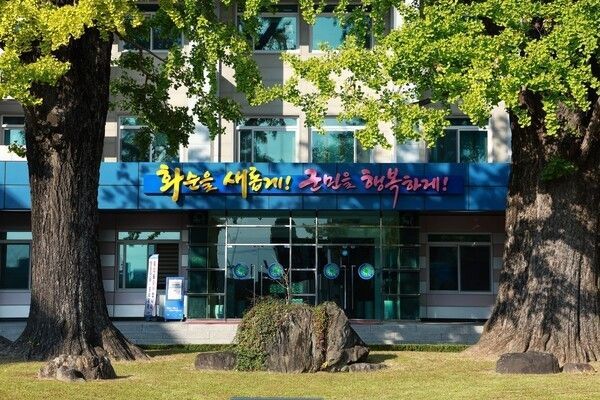
Hwasun County in South Jeolla Province explained that its recent failure to be selected for the 'Rural Basic Income Pilot Project' was due to unfavorable results in objective evaluation criteria such as the Regional Development Index (RDI) and the Population Decline Index.
According to the county on October 29, the 'Rural Basic Income Pilot Project' is a state-led policy aimed at resolving income disparities and revitalizing the economy in rural areas. Beginning next year and continuing through 2027, the project will provide selected local residents with 150,000 won in local currency every month for two years.
Fourteen counties from South Jeolla Province participated in this round of applications, with only Sinan County ultimately being selected. Sinan County reportedly received high marks for presenting a plan that links its profit-sharing system for renewable energy development (Solar Pension, Wind Pension), which has been in place since 2014, with a Sinan-style basic income model.
The evaluation comprehensively considered factors such as ▲ risk of extinction ▲ degree of regional development ▲ budget security and feasibility ▲ implementation conditions. Of the seven regions selected nationwide, most are rural areas with populations under 30,000 and are local governments facing a severe risk of extinction.
Hwasun County, with a population of 60,735, recorded the highest Regional Development Index (RDI) among county-level local governments in South Jeolla Province and ranked fifth among counties nationwide.
The Regional Development Index is an indicator that evaluates the relative level of development in a region; a higher score means the area is already considered developed. Therefore, in an evaluation structure that prioritizes support for relatively underdeveloped areas, Hwasun County was at a disadvantage.
Despite being aware of these disadvantages in advance, the county decided to participate in the application process to ensure residents' livelihood stability and prevent regional extinction. The county submitted a 110-page project proposal that included plans for securing project funding through expenditure restructuring, detailed implementation strategies, and measures for community participation. The proposal also included cooperation with the county council, a county-wide resolution meeting, and a voluntary signature campaign involving thousands of residents.
However, the county ultimately failed to be selected due to unfavorable results in key indicators such as the Regional Development Index and Population Decline Index, which carry significant weight in the evaluation. Hwasun County's Regional Development Index is the highest in South Jeolla Province, and its Population Decline Index is relatively low compared to other areas, meaning the risk of population extinction is less pronounced. This worked against the county in an evaluation structure that favors regions with more serious population decline.
County Governor Koo Bokgyu stated, "Although we were not selected for the pilot project, the county will continue to prepare for sustainable development in anticipation of the full implementation in 2028. Along with systematic preparations for the full-scale Rural Basic Income Project, we will continue to pursue population policies aimed at preventing regional extinction and promoting population inflow."
© The Asia Business Daily(www.asiae.co.kr). All rights reserved.

















