Triple Hardship: Low-Priced Imports, Tariff Hikes, and Sharp Reduction in Emissions Permits
Gwangyang, Pohang, and Dangjin Chambers Demand Enactment of "K-steel Act" and More
The Gwangyang Chamber of Commerce and Industry in South Jeolla Province (Chairman: Woo Kwangil) announced on the 29th that, together with the Pohang and Dangjin Chambers of Commerce and Industry, it had submitted a proposal to the Ministry of Environment and the Ministry of Trade, Industry and Energy on the previous day, outlining measures to overcome the crisis in the domestic steel industry.
This proposal includes key demands such as the enactment of the "K-steel Act," the prompt implementation of comprehensive measures to advance the steel industry, and the easing of the total allowance for the fourth phase of emissions trading.
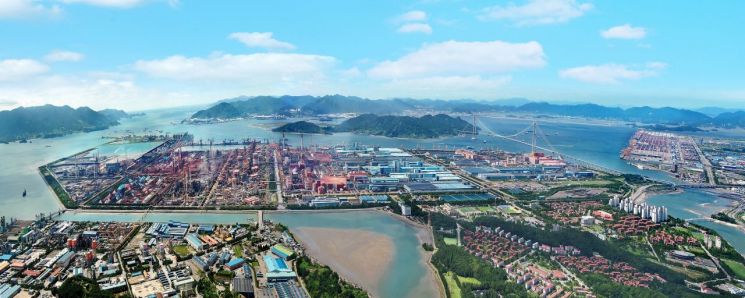
Recently, the steel industry has faced an unprecedented crisis, as sluggish domestic demand, an influx of low-priced steel products from China and Japan, and the imposition of a 50% steel tariff by the United States have led to a sharp decline in exports. This has been compounded by a significant reduction in the allocation of carbon emissions permits for the fourth phase. In particular, the fourth phase of the emissions trading scheme, set to take effect next year, will see a reduction in pre-allocated allowances and an increase in the proportion of paid allocations in the power generation sector from 10% in 2025 to 50% by 2030, which is expected to further increase the burden on companies.
The domestic steel industry has already seen a sharp decline in production, with output in 2024 reaching its lowest level in the past decade. Some plants, such as POSCO's No. 1 Steelmaking Plant and Hyundai Steel's Pohang No. 2 Plant, have been closed, and operating profits have also dropped significantly, heightening the sense of crisis across the industry.
In response, on August 4, 106 lawmakers from both the ruling and opposition parties jointly introduced a special bill to strengthen the competitiveness of the steel industry and promote the transition to green steel technology (the "K-steel Act"), which is currently under discussion with the goal of passage during the 2025 regular session of the National Assembly. In addition, at the end of August, the government designated Pohang as a preemptive response area for industrial crisis, while Gwangyang applied for the same designation at the end of September, and Dangjin is currently in the process of applying.
Experts agree with the direction of the government's Nationally Determined Contribution (NDC) and the basic plan for the emissions trading scheme, but point out that it is necessary to adjust the pace and balance policies in consideration of the realities faced by the industry.
Woo Kwangil, Chairman of the Gwangyang Chamber of Commerce and Industry, emphasized, "For the steel industry to overcome this crisis and achieve sustainable growth, it is essential to ensure a balanced response that simultaneously considers policy consistency and the maintenance of industrial competitiveness, so that government environmental regulations and legislative support for the industry do not come into conflict."
© The Asia Business Daily(www.asiae.co.kr). All rights reserved.

















