Calls for Strengthening the Audit Committee's Independence, Expertise, and Accountability
Proposes Measures to Improve Audit Committee Operations in a 5-Minute Free Speech
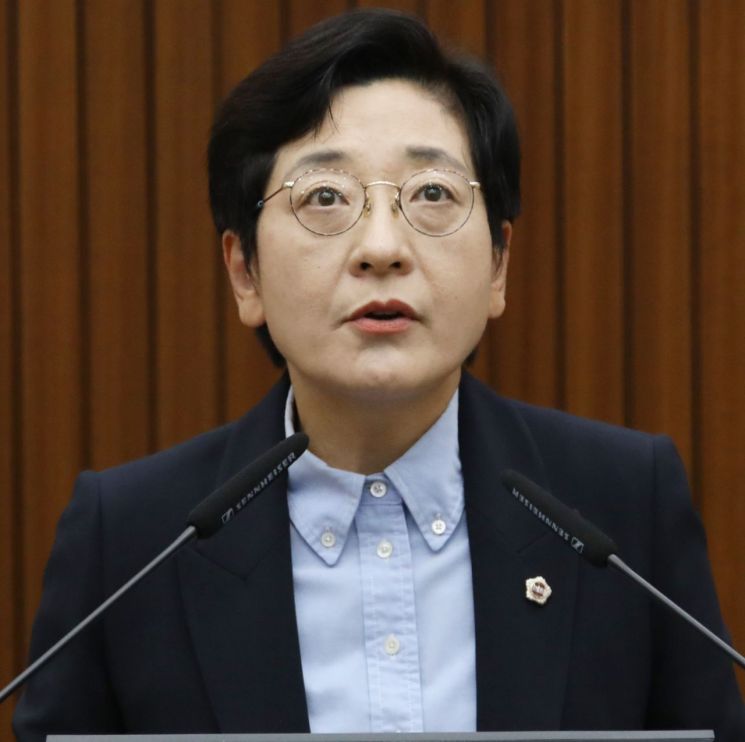 Lee Sunyeol, a council member of Sejong City, is delivering a 5-minute free speech on the issues of the Audit Committee. / Photo by Office of Public Relations Planning Team
On October 24, during the 101st extraordinary session's second plenary meeting, Lee Sunyeol, a council member of Sejong City, addressed the achievements and limitations of the Audit Committee in a 5-minute free speech, calling for improvements to strengthen its independence, expertise, and accountability.
He pointed out that disciplinary actions are disproportionately concentrated on lower-level staff at towns, villages, and affiliated organizations, rather than on senior officials at the main office.
According to Assemblyman Lee, a total of 32 people have been disciplined over the past five years. There were no disciplinary actions requested for officials at grade 3 or higher, only 2 at grade 4, and 30 at grade 6 or below. By institution, 23 cases were at the main office, while 47 were at towns, villages, or affiliated organizations, indicating a clear imbalance.
Lee highlighted that the Audit Committee's placement under the mayor's office makes it difficult to guarantee independence, and that its staff, mainly composed of administrative personnel, lack sufficient expertise.
Therefore, he stressed that the original intent of the "Comprehensive Development Plan" proposed when the Sejong City Audit Committee was established in 2015-open recruitment for the Audit Committee chair, creation of a dedicated audit position, and expanded citizen participation-remains relevant. This, he argued, is essential for efficient and fair operation of the Audit Committee.
He then proposed concrete improvement measures, including: securing genuine independence through innovative appointment methods for the chair and granting autonomy over budget formulation; establishing specialized teams for areas such as safety and data, and setting annual audit goals; shifting the focus from punishment to system improvement; and introducing accountability indicators based on the approval and command structure to establish responsible administration.
Lee stated, "Let us restore public trust through audits that are firm with the powerful and attentive to the vulnerable," and called for support so that the Audit Committee can serve as both a watchdog overseeing municipal administration and a partner in governance.
© The Asia Business Daily(www.asiae.co.kr). All rights reserved.

















