The Gyeongbuk Office of Education (Superintendent Lim Jong-sik) announced on October 24 that six schools-Namgye Elementary School (Gumi), Jeungsan Elementary School (Gimcheon), Mungyeong Elementary School, Chunyang Elementary School (Bonghwa), Suryun Elementary School (Seongju), and Jeomgok Elementary School (Uiseong)-have been selected as “Truly Excellent Schools” in the “2025 Rural Truly Excellent Small Schools Contest” organized by the Ministry of Education.
The Rural Truly Excellent Small Schools Contest is a project organized by the Ministry of Education since 2020 to discover and spread outstanding cases of rural schools that leverage the advantages of rural areas and operate distinctive educational programs, thereby achieving high satisfaction within the educational community.
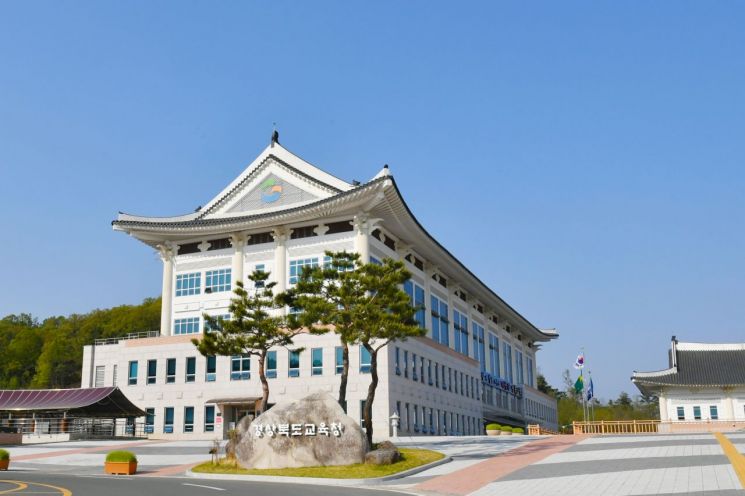
This year, out of 15 schools selected nationwide, six are from Gyeongbuk, earning the distinction of having the most schools chosen in the country. Over the past six years, a total of 23 schools from Gyeongbuk have been selected as outstanding schools, consistently achieving top-level results nationwide.
Namgye Elementary School in Gumi, selected as an outstanding school, is located in Goa-eup, Gumi City, Gyeongbuk Province. Through the operation of the “Connection Classroom,” the school aims to revitalize small rural schools and foster regional coexistence, paving the way for a sustainable future in rural education.
This program involves students from large urban schools moving to small rural schools to participate in a joint curriculum. As a result, small schools can increase their student numbers and operate their curriculum normally, while large schools can utilize school facilities and offer students ecological experiences.
Namgye Elementary School, together with Gumi Munseong Elementary School, is responding to declining student numbers by operating urban-rural connection classrooms and developing high-quality curricula in collaboration with the local community.
Jeungsan Elementary School (Gimcheon) is a school where students, faculty, parents, and local community members all work together to discover and nurture the unique value of each student. Through customized education and cultural arts programs, the school helps students realize their dreams and talents.
Mungyeong Elementary School, located in Mungyeong-eup, Mungyeong City, has 75 students who grow together in a beautiful natural environment. The school aims to be more than just a place of learning, fostering a warm and joyful community and operating distinctive educational programs based on local traditions and culture.
Chunyang Elementary School (Bonghwa) is improving the educational environment in rural areas and operating distinctive curricula. The school, together with the local government and village community, is building a school that develops future competencies through customized learning.
Suryun Elementary School (Seongju) has overcome its remote location in Suryun-myeon, Seongju County, and continues to grow by turning its weaknesses into strengths through joint elementary-middle school curricula, all-village learning initiatives, diverse field trips, and arts education.
Jeomgok Elementary School (Uiseong) has pursued gradual growth by utilizing local resources for integrated education and community cooperation, and is creating a learning environment that connects urban and rural areas through a variety of distinctive programs.
Meanwhile, the Gyeongbuk Office of Education is continuously implementing various policies to address educational disparities in small rural schools struggling with declining student numbers and small size. These include the Free School District System for Small Schools, the Small School Revitalization Project, and the Dream Nurturing Small School Certification System.
Lim Jong-sik, Superintendent of the Gyeongbuk Office of Education, stated, “Even in an era of declining school-age population, we will rediscover the value of small schools and create an educational environment where everyone can grow,” adding, “We will continue to expand sustainable rural education models in collaboration with local communities.”
© The Asia Business Daily(www.asiae.co.kr). All rights reserved.

















