Overseas Residency Requirement Abolished, Cap Raised from 30% to 50%
Kindergarten Excluded, Applies Only to Elementary, Middle, and High Schools
Civic Groups Protest: "Encourages Elite Schools"
On October 24, the Gwangju City Council passed an ordinance easing restrictions on the admission of domestic students to Gwangju Foreign School. The ordinance removes the overseas residency requirement and increases the allowable proportion of domestic students. However, educational organizations strongly opposed the move, arguing that it encourages the creation of so-called 'elite schools.'
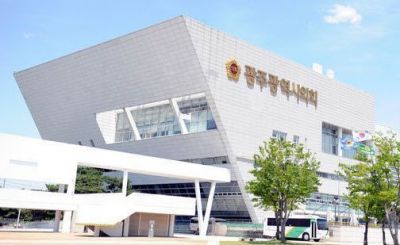
The ordinance, which was approved at the plenary session that day, was sponsored by Assemblyman Jeong Moochang. The Education and Culture Committee, the standing committee, had postponed its review last month due to controversy over the potential for 'elite schools.' This time, however, the committee submitted a revised bill excluding the kindergarten level. The ordinance applies only to elementary, middle, and high school levels in order to limit domestic demand for early English education.
The ordinance abolishes the requirement for domestic students to have lived abroad for three years and raises the cap on the proportion of domestic students from the previous 30% to 50%. The city council stated that, following the revision of the Special Act on the Promotion of Research and Development Zones, it is necessary to relax admission requirements for domestic students at foreign schools in order to improve the educational environment within the special zone.
On the other hand, the civic group 'Citizens' Coalition for a Society Without Academic Cliques' has protested that the ordinance serves as a privilege for children from high-income families, promotes private education, and undermines the public nature of education. The group pointed out that annual tuition at Gwangju Foreign School amounts to 20 million won, and when including various fees, it becomes unaffordable for ordinary families. They also argued that the ordinance does not align with the original intent of establishing foreign schools, which is to create a favorable environment for foreign residents.
The case of Daejeon Foreign School was also cited. As of September this year, there were 257 domestic students and 140 foreign students enrolled, with domestic students accounting for over 64% of the total. The group criticized, "It is clearly wrong to pass the ordinance despite knowing that the school has essentially become a foreign school in name only."
© The Asia Business Daily(www.asiae.co.kr). All rights reserved.

















