Oil Prices Lag Gold by 20 Months, Signaling a Recovery
Current Low Prices to Suppress New Supply Next Year, Pushing Oil Higher
The price of gold, which had reached an all-time high by surpassing $4,300 per ounce, has now sharply dropped back to $4,000 per ounce. The decline has widened as the pre-demand that emerged ahead of India's Diwali festival (mid-October to mid-November) has disappeared, amid growing fatigue from the recent short-term rally.
On October 24, Daishin Securities released a report titled "The Soaring Gold Price Is a Preview of Rising Oil Prices," stating that now is a good opportunity to buy gold at a low price, and predicting that oil prices, which lag gold by 20 months, will accelerate their rise toward the end of next year.
Oil Prices Follow Gold: The Rationale
Daishin Securities forecasted that, in the long term, gold prices are bound to rise. As Ray Dalio, author of "The Changing World Order," has pointed out, U.S. ultra-long-term bonds are facing a crisis of confidence to the extent that even bidding would be difficult without the Federal Reserve. This is evidenced by the continuous inflow of funds through spot gold purchases and the decoupling between gold and government bond holdings in central banks' foreign reserves. Furthermore, since the Federal Reserve's interest rate cut cycle is still ongoing, the hedging demand from central banks around the world is expected to persist.
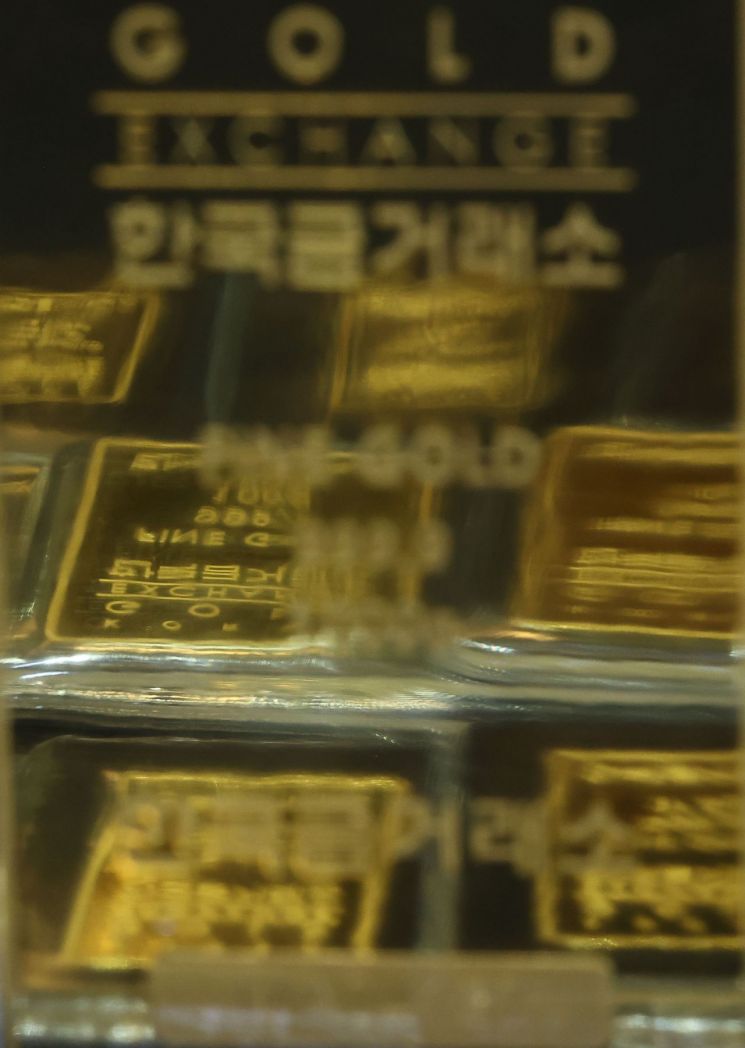
Typically, gold rises at the early stage of a liquidity cycle when expectations for policy rate cuts are forming. Conversely, oil, which is a cyclical and lagging asset, starts to strengthen when the manufacturing sector recovers on the back of increased liquidity. Analyst Choi Jinyoung of Daishin Securities stated, "The S&P GSCI Energy Index lags gold mining company ETFs by 20 months," and added, "Given this, oil prices are likely to recover from now, and after the U.S. midterm elections in November next year, the pace of increase may accelerate dramatically."
The Paradox of Saudi Oil Production Increase
Currently, OPEC Plus (OPEC+, a coalition of 12 Middle Eastern oil-producing countries and 11 non-Middle Eastern oil producers) is advancing oil production increases under Saudi Arabia's leadership faster than initially planned. Even the second phase of production increases, originally scheduled for completion by the end of next year, is now expected to be achieved early, within the first half of next year. Analyst Choi Jinyoung commented, "Rapid production increases will cause the market to doubt the capacity for further increases next year," and added, "In particular, today's low oil prices hinder competitors' oil field development, which could trigger a rise in oil prices in 2026-2027."
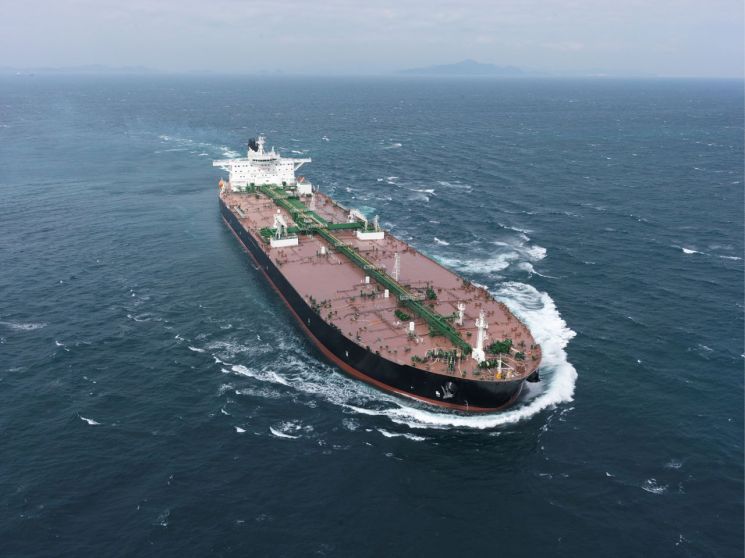
The average development cost per new well for U.S. shale companies is $65, meaning they are currently operating at a loss. The capital expenditure (CapEx) expectations index, which turned negative for the first time since the COVID-19 shock from China, demonstrates the constrained supply environment. Other OPEC oil producers, apart from the three Gulf countries of Saudi Arabia, the UAE, and Kuwait, are also maintaining a low oil rig count due to relatively high break-even points (BEP). This all points to uncertainty in future new supply. Analyst Choi Jinyoung said, "For now, there is no escaping the pressure to increase oil production," but added, "However, the leading nature of liquidity and the declining capacity for further increases will lead to a gradual recovery in oil prices."
© The Asia Business Daily(www.asiae.co.kr). All rights reserved.

![Clutching a Stolen Dior Bag, Saying "I Hate Being Poor but Real"... The Grotesque Con of a "Human Knockoff" [Slate]](https://cwcontent.asiae.co.kr/asiaresize/183/2026021902243444107_1771435474.jpg)















