Wild Bear Sightings Continue Across Japan, Human Casualties Reported
Expert Warns: "Winter Does Not Guarantee Safety"
As incidents of bear attacks on people continue to occur in urban areas across Japan, concerns are growing that such damage may increase further as winter approaches.
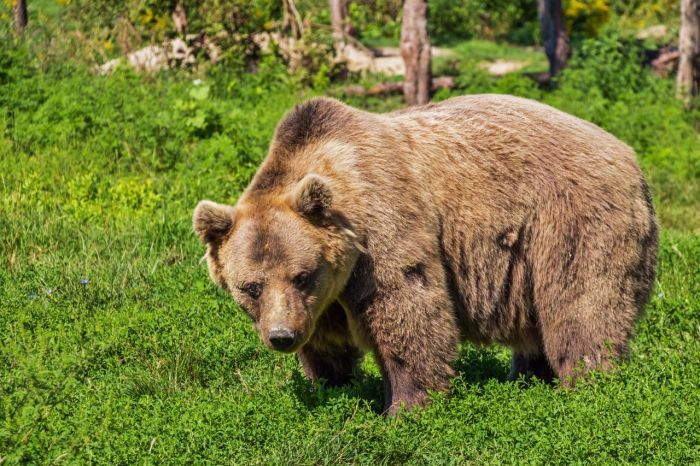
On October 20, the Sankei Shimbun reported, "Bear-related incidents are increasing across Japan at a faster pace than ever before," adding, "With bears actively searching for food before hibernation, there is a growing possibility of more frequent sightings not only in rural areas but also in cities and residential neighborhoods."
According to Japan's Ministry of the Environment, 108 people were injured by bear attacks between April and September this year. This is a similar pace to 2023, when the number of casualties reached a record high of 219.
The number of fatalities is also rising, with five people killed between April and September this year. On October 16, Katsumi Sasazaki, a 60-year-old professional wrestling referee, was killed by a wild bear while cleaning an outdoor hot spring in Nishiwaga, Iwate Prefecture. On October 8, a man collecting mushrooms was attacked and killed by a bear just 2 kilometers from the site where Sasazaki died.
Amid these developments, some experts predict that the so-called "urban bear phenomenon" will become even more frequent as winter approaches. Kazuhiko Yoneda, director of the nonprofit organization Japan Tsukinowaguma Research Institute, which aims to promote coexistence between humans and wildlife, explained, "In the Tohoku region, bear activity remains very high until late November, and in the Kanto and Chubu regions, until December, before hibernation. The number of bears moving through urban areas in search of food is increasing."
In particular, when mother bears are captured in urban areas, their cubs are sometimes left behind and end up hibernating under the floors of houses or in park bushes. These bears grow up to become "residential area-dependent" and continue to roam around urban neighborhoods.
Urban areas, being warmer than the mountains, can also cause bears' hibernation to become shallower. There have been reports of bears waking up during winter due to frequent human activity and noise. Yoneda warned, "Winter does not guarantee safety. Once a bear wakes up, it will start searching for food and become active even in cold weather."
© The Asia Business Daily(www.asiae.co.kr). All rights reserved.

















