Korea Tourism Organization:
"Everyday Korean Foods Spreading Online"
The Korea Tourism Organization announced on the 20th that the food consumption patterns of foreign tourists visiting Korea are expanding from traditional Korean cuisine to everyday K-food enjoyed by locals.
According to the organization, an analysis of foreign credit card transaction data from 2018 to July 2025 revealed that while traditional dishes such as kimchi, bulgogi, and bibimbap were once the most representative Korean foods for foreigners, there is now growing interest in everyday Korean foods like ramen, gimbap, and street snacks.
The organization explained that these everyday foods are spreading online, and for foreign visitors, food has become more than just a meal-it is now a special journey to experience Korean culture and daily life.
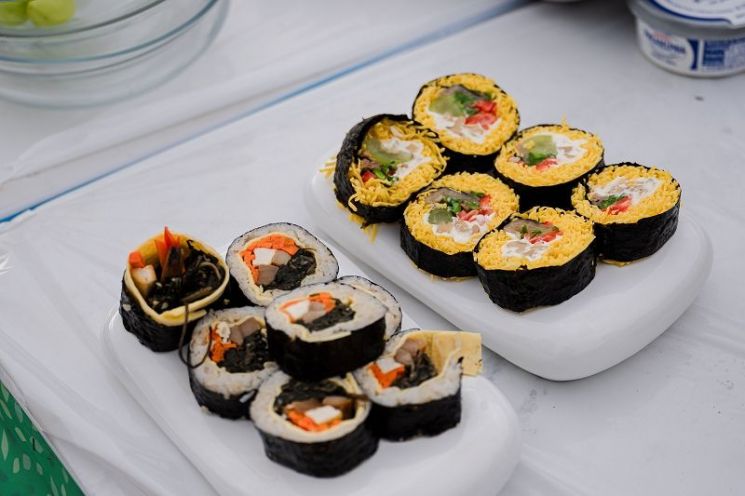 The Korea Tourism Organization announced on the 20th that the food consumption patterns of foreign tourists visiting Korea are evolving from traditional Korean dishes such as kimchi, bulgogi, and bibimbap to everyday foods like ramen, gimbap, and street snacks.
According to a 2024 survey of potential travelers to Korea, the most desired activity among foreigners visiting Korea was a "food tour" (15.7%). Data from the Korea Tourism Data Lab showed that, among card payment categories, the menu items with the highest compound annual growth rates (CAGR) were ice cream (35.0%), convenience store foods (34.0%), and waffles/croffles (25.5%), in that order.
Payment transactions for foods familiar to foreigners, such as hamburgers, bread, and coffee, also accounted for a significant portion of consumption data. From January to July this year, the number of card payments was highest for cafes (8.9 million), bakeries (3 million), and hamburgers (2.3 million). Compared to the same period last year, the growth rates were also high, at 29.5%, 36.2%, and 38.2%, respectively. In addition, Korean variations-such as limited editions, collaboration products, and regional specialty toppings-have provided new experiences. Among the top 10 brands where hamburger payments were made, 6 were domestic franchises, and global brands have also attracted foreigners by offering exclusive menus and unique store concepts available only in Korea.
Convenience stores are also evolving. Foreigners now perceive convenience stores not just as accessible shopping locations, but as a "travel menu board" where they can choose everything from ramen to snacks. An analysis of social networking service (SNS) posts from January 2023 to July this year found that 40.1% of posts related to convenience stores were about food, with the top keywords being ramen (14.1%), coffee (10.5%), and snacks (7.0%). From January to July this year, the number of card payments at convenience stores reached approximately 13 million, the highest among all K-food categories.
While dishes such as noodles and dumplings (55.2%) and pork bone soup (44.0%) are considered everyday meals by Koreans, they are seen as special culinary experiences by foreigners and recorded the highest growth rates among menu items as of July this year compared to the same period last year. Traditional snacks have also been rediscovered through social media, with consumption of rice cakes and traditional Korean sweets growing by 76.9%. In particular, "honey rice cake cereal," which went viral on overseas social media, received over 300,000 likes and even led to new product launches by domestic companies.
Lee Misook, head of the Tourism Data Strategy Team at the Korea Tourism Organization, stated, "As the latest trends are shared in real time worldwide, the everyday lives of Koreans are spreading as new experiences for foreigners and, in turn, are influencing Koreans again. This interactive cycle is becoming increasingly evident in the tourism industry," adding, "The Korea Tourism Organization will proactively capture these changes and actively reflect them in tourism policies and inbound marketing strategies."
© The Asia Business Daily(www.asiae.co.kr). All rights reserved.
![Clutching a Stolen Dior Bag, Saying "I Hate Being Poor but Real"... The Grotesque Con of a "Human Knockoff" [Slate]](https://cwcontent.asiae.co.kr/asiaresize/183/2026021902243444107_1771435474.jpg)
















