German Cabinet Approves "Active Pension Act" Bill
Tax Exemption on Earned Income up to 2,000 Euros per Month for Post-Retirement Workers
Aimed at Addressing Skilled Labor Shortages and Economic Downturn
The German government, which has been struggling with a labor shortage, has decided to exempt workers who continue working after the statutory retirement age from paying taxes.
According to Yonhap News, on October 15 (local time), the German federal government approved the draft Activity Pension Act in a cabinet meeting, which includes provisions to exempt taxes for those who continue working beyond the legal retirement age.
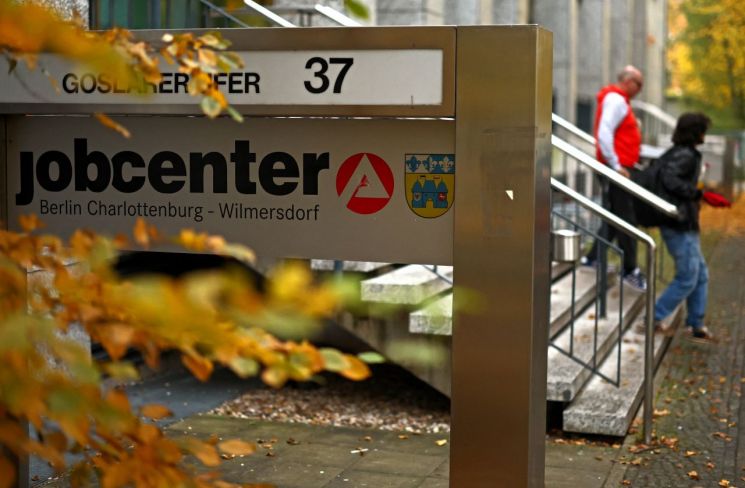
If the bill passes the parliament, starting from January next year, workers who voluntarily continue working after reaching the statutory retirement age will be exempt from taxes on labor income up to 2,000 euros (approximately 3.3 million won) per month and up to 24,000 euros (approximately 3.97 million won) per year. Currently, the statutory retirement age in Germany is between 65 and 67, depending on the individual's age.
The government expects that, as a result of this measure, about 168,000 pensioners will participate in the labor market without having to pay income tax. However, the tax benefits will not apply to self-employed individuals.
The Ministry of Finance stated, "We are continuing to secure drivers of economic growth for Germany," and added, "This will help alleviate labor shortages in many sectors and allow for the longer utilization of experience and knowledge in the field."
This measure was introduced to address the chronic labor shortage resulting from demographic changes. The German economy experienced negative growth rates in both 2023 and 2024, and the shortage of skilled workers in various industries has worsened amid the economic downturn.
According to the German Ministry for Economic Affairs, by 2030, the German workforce is expected to decrease by 6.3 million compared to 2010, and by 2035, there will be a shortage of 7 million skilled workers. The retirement of the baby boomer generation is accelerating, and the number of new workers is projected to decline even more rapidly.
The German government believes that unless this workforce decline is properly addressed, it will be difficult to overcome the economic recession, making it essential to retain the experience and expertise of older workers.
Meanwhile, several European countries are also struggling with labor shortages and increased pension burdens due to aging populations.
France introduced a pension reform bill in 2023 to gradually raise the retirement age from 62 to 64, but faced strong opposition from opposition parties and public opinion. As the political situation became unstable, with the prime minister resigning several times, the government is now leaning toward suspending the pension reform.
Belgium is also pursuing a plan to raise the statutory retirement age from 65 to 67, but there has been backlash, including a general strike by labor unions the previous day.
© The Asia Business Daily(www.asiae.co.kr). All rights reserved.

















