Bang Sehwan: "The Central Region Metropolitan Express Railway Will Be the Core Axis of Transportation Innovation in Southeastern Korea"
Seven local governments, including Gwangju in Gyeonggi Province, Yongin, Seongnam, Anseong, Jincheon, Cheongju, and Hwaseong, have unanimously called for the early commencement of the Central Region Metropolitan Express Railway project.
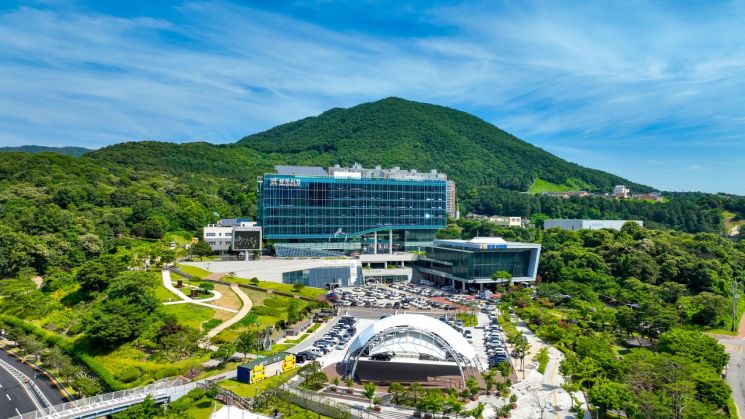
On October 14, Gwangju City, together with the heads of the seven local governments, signed a joint statement urging the early construction of the Central Region Metropolitan Express Railway at the passenger terminal of Cheongju International Airport. The event was organized to announce the project’s successful eligibility review for private investment, highlight the need for early construction, and unify the local governments’ commitment to establishing a core transportation network connecting the Seoul metropolitan area and the Chungcheong region.
The Central Region Metropolitan Express Railway is a 134-kilometer line that will connect Gangnam (Jamsil) in Seoul, passing through Gwangju, to Cheongju International Airport and Osong Station. The project aims to address transportation imbalances between the Seoul metropolitan area and the central region, strengthen industrial and logistics connectivity, and serves as a combined extension of the Gyeonggang Line and an alternative to the Metropolitan Inland Line. Upon completion, the railway is expected to significantly reduce commuting times to downtown Seoul and travel time to Cheongju International Airport, providing substantial transportation benefits.
Gwangju City believes that, amid rapid population growth and urban expansion leading to surging transportation demand, the opening of the railway will not only alleviate traffic congestion and expand the city’s living sphere but also invigorate the regional economy by attracting businesses and boosting tourism.
At the event, the heads of the local governments symbolically demonstrated their commitment to cooperation through a hand-printing performance after signing the joint statement, creating an inclusive atmosphere with an orchestra performance for citizens.
Bang Sehwan, Mayor of Gwangju, stated, "The Central Region Metropolitan Express Railway will become a core axis of transportation innovation in southeastern Korea, extending beyond Gwangju. We will do our utmost to build a railway network that enhances transportation convenience for citizens and responds to future transportation demand."
Meanwhile, in August, the Ministry of Land, Infrastructure and Transport requested a private investment eligibility review from the Korea Development Institute’s Public and Private Infrastructure Investment Management Center (KDI PIMAC). If the project passes the review, subsequent procedures such as a third-party proposal announcement will follow, leading to the finalization of the specific route and station locations.
© The Asia Business Daily(www.asiae.co.kr). All rights reserved.

















