2024 Second Panel Survey on Children Under Protection and Youths Preparing for Independence
A recent survey found that one in four youths preparing for independence experienced running out of groceries within the past year but were unable to purchase more due to lack of money. Additionally, 30% of these youths are in debt, and 6% have already become credit delinquents.
According to the second panel survey on children under protection and youths preparing for independence in 2024, released by the National Center for the Rights of the Child on October 12, 2.2% of respondents answered that they "often" experienced running out of food due to financial difficulties and not having enough money to buy more in the past year, while 23.0% said they "occasionally" experienced this.
Furthermore, 10.4% reported that they were unable to visit a hospital within the past year due to lack of funds. 10.4% answered that they had been unable to visit a hospital within the past year because they did not have enough money.
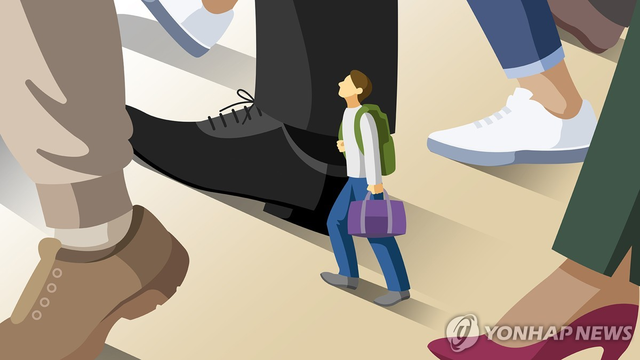
Youths preparing for independence are those who, due to the absence of guardians or because their guardians are unable to care for them, were raised in child welfare facilities or foster homes and then transitioned to society after their protection ended at age 18. Among the 401 survey participants, the average year of protection termination was 2020. Of these, 32.5% received housing benefits, 32.0% received livelihood benefits, and 31.9% received medical benefits.
Among these youths, 43.1% were employed (excluding part-time jobs), while 7.1% were working part-time. 24.6% were preparing for employment, and 14.5% were either enrolled in university or on a leave of absence.
Their average monthly income over the past three months was 1,709,000 won, but 29.3% had outstanding debts, and 6.0% were credit delinquents.
Notably, while 65.8% of respondents had family members they were in contact with, 76.1% did not receive any financial support. Only 20.9% received support irregularly. In effect, even those with family members rarely received economic assistance.
Approximately 98.2% of youths preparing for independence received an average of 8,833,000 won in combined independence settlement funds, savings accounts, and donations when their protection ended. The largest expenditures were housing deposits and rent (37.3%), living expenses (36.7%), and savings (7.2%), in that order.
The most challenging aspects after leaving protection were cited as "lack of information, skills, or qualifications needed for employment" (27.2%), "insufficient funds for living expenses or tuition" (25.8%), and "housing issues" (15.1%).
The most urgently needed support was financial assistance (41.6%), followed by housing support (30.7%) and employment support (5.8%). Their average life satisfaction score was 5.5 out of 10.
© The Asia Business Daily(www.asiae.co.kr). All rights reserved.
![Clutching a Stolen Dior Bag, Saying "I Hate Being Poor but Real"... The Grotesque Con of a "Human Knockoff" [Slate]](https://cwcontent.asiae.co.kr/asiaresize/183/2026021902243444107_1771435474.jpg)












