Bereaved Family Claims "Death Caused by Excessive Labor"
Court Finds Long-Term Drinking and Smoking Were Key Risk Factors for Cerebral Hemorrhage
A sanitation worker who had engaged in decades of drinking and smoking collapsed and died while on duty, but the court has ruled that there is no recognized causal relationship between his work and his death.
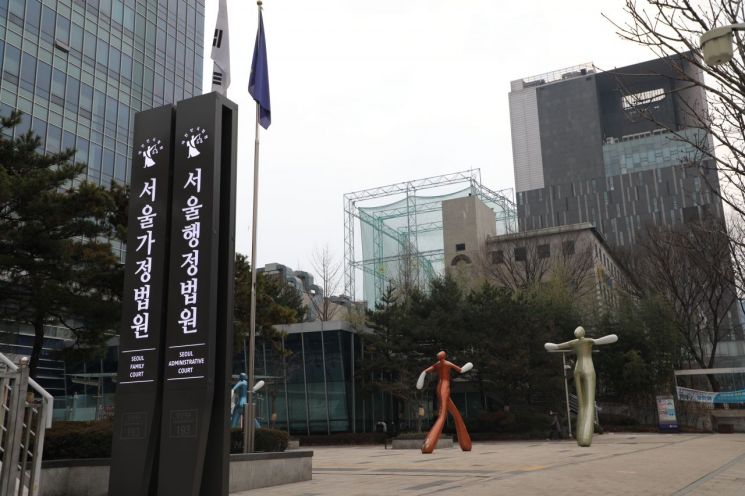
According to the legal community on October 13, the 9th Administrative Division of the Seoul Administrative Court (Presiding Judge Kim Gukhyeon) ruled against the plaintiffs in a lawsuit filed by the children of sanitation worker A against the Korea Workers’ Compensation and Welfare Service, seeking to overturn the denial of survivor’s benefits and funeral expenses.
Since 2007, A had worked as a sanitation worker for a cleaning service company under a district office in Seoul. He was responsible for street cleaning from 5 a.m. to 3 p.m. After taking sick leave in 2019 due to a shoulder injury, he was assigned to a section with relatively less cleaning work. Around 5 a.m. on July 25, 2020, a colleague found him collapsed in the break room with a nosebleed. He was taken to the hospital but died three days later from intracerebral hemorrhage.
The bereaved family argued that his death was caused by deteriorating health due to excessive labor, summer heat, and prolonged mask-wearing, and requested recognition as an industrial accident. However, the Korea Workers’ Compensation and Welfare Service denied survivor’s benefits, stating that personal factors, rather than work, were the cause.
The court sided with the agency, stating, “The deceased had long suffered from hypertension, dyslipidemia, and liver disease, had smoked for over 30 years, and drank nearly three bottles of soju almost every day-factors that significantly increased the risk of cerebral hemorrhage. It is reasonable to conclude that the incident occurred naturally due to these intrinsic factors.”
The court further noted, “There was no sudden incident or drastic change in working conditions within 24 hours prior to the onset, and his working hours before death did not meet the criteria for overwork. Therefore, it is difficult to recognize a substantial causal relationship between his work and the illness.”
© The Asia Business Daily(www.asiae.co.kr). All rights reserved.

















