Avoid Overeating and Adjust Your Diet According to Your Constitution
Holiday foods are generally high in fat and sugar, which can place a significant burden on digestive health. Additionally, even the same foods can affect individuals differently depending on their constitution, so caution is needed when consuming them.
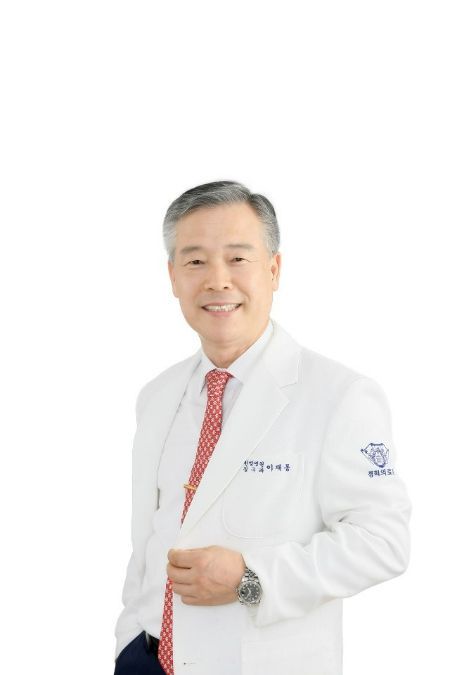 Jaedong Lee, Professor, Department of Acupuncture and Moxibustion, Kyung Hee University Korean Medicine Hospital. Kyung Hee University Korean Medicine Hospital
Jaedong Lee, Professor in the Department of Acupuncture and Moxibustion at Kyung Hee University Korean Medicine Hospital, stated on October 6, "If you usually have trouble digesting food, often feel cold in your hands and feet, and get tired easily, it means your body lacks the strength to generate energy." He added, "Even during the holidays, it is better to eat small portions of warm, easily digestible foods rather than cold or greasy dishes."
For those who tend to feel swollen and heavy, it is advisable to limit meals to a single plate and minimize the intake of carbohydrates and sweets. People who have excess heat in the upper body and coldness in the lower body may become easily irritated or suffer from insomnia. To restore energy balance, it is beneficial to supplement with foods that nourish yin, such as seafood, seaweed, and pork.
Professor Lee explained, "During the holidays, simply reducing your meal portions by about 30% and eating smaller amounts at a time can help lessen the burden on your digestive system. When eating greasy foods, it is helpful to pair them with vegetables that aid digestion, such as radish or perilla leaves. After meals, drinking warm teas like plum tea, chrysanthemum tea, or barley tea can also be beneficial."
Moving your body regularly is also effective in reducing holiday fatigue. Sitting for long periods while driving long distances or preparing holiday meals can make your body stiff and hinder circulation. It is recommended to stretch your neck and lower back before and after driving, and to do light stretching to alleviate fatigue.
Simple acupressure techniques can also be useful. The Hegu point (located where the thumb and index finger meet) helps with headaches and indigestion; the Zusanli point (on the outer side below the knee) supports digestion and energy replenishment; and the Neiguan point (below the inner wrist crease) can relieve motion sickness, discomfort, and anxiety.
Professor Lee said, "There are many things to worry about during the holidays, so it is easy to feel psychological fatigue due to various stresses. Taking even a brief moment for yourself to practice abdominal breathing can help relieve tension, and going to bed before 11 p.m. is effective for recovering from fatigue and achieving psychological stability."
He also advised, "After the holidays, taking time to recover with warm compresses, half-body baths, light exercise, and meals focused on vegetables can quickly relieve holiday fatigue. The key to staying healthy during the holidays is to eat less, move your body more, and take time to relax."
© The Asia Business Daily(www.asiae.co.kr). All rights reserved.

















