"People ingest about 39,000 to 52,000 microplastic particles annually"
Long-term exposure to microplastics and nanoplastics
can cause respiratory diseases, reproductive problems, and more
"Bottled water contains up to 90,000 more plastic particle
Concerns have been raised that microplastics generated from disposable water bottles may pose a threat to human health and ecosystems.
 Nano plastics are considered more dangerous due to their higher penetration ability in the body because of their small size. Photo by Getty Images
Recently, a research team from Concordia University in Canada published a paper in the international journal Journal of Hazardous Materials analyzing the long-term health risks of microplastics and nanoplastics released from disposable water bottles.
Microplastics refer to plastic fragments measuring between 1 micrometer (1μm, which is one millionth of a meter) and 5 millimeters in size, while nanoplastics are plastic particles that are much smaller, ranging from 10 nanometers (10nm, which is one billionth of a meter) to 1 micrometer in size.
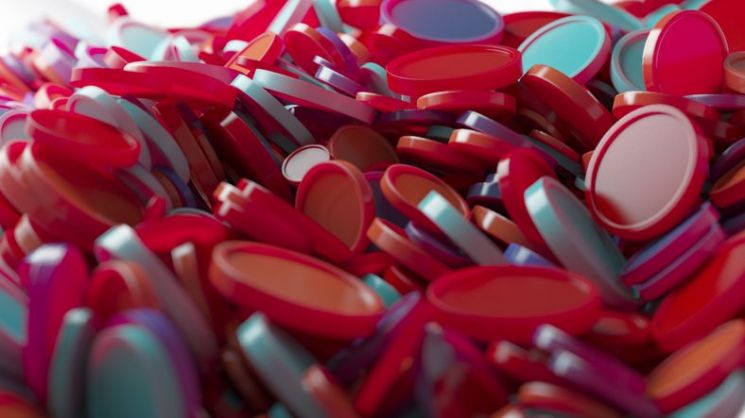 A study has found that long-term ingestion of microplastics can pose a threat to human health, causing respiratory diseases and reproductive issues. Photo by Getty Images
The research team analyzed more than 141 scientific papers on the impact of microplastics and nanoplastics released from disposable water bottles worldwide.
The results showed that commonly used plastic water bottles accumulate in landfills, rivers, oceans, and natural habitats, posing a serious threat to ecosystem stability and biodiversity. In particular, the researchers pointed out that microplastics (1μm to 5mm) and nanoplastics (smaller than 1μm) generated from disposable water bottles can serve as potential risk factors for human health.
Nanoplastics are considered even more dangerous due to their small size, which allows them to penetrate the human body more easily. The research team stated, "People ingest approximately 39,000 to 52,000 microplastic particles annually," adding, "Those who primarily drink bottled water are estimated to consume up to 90,000 more particles compared to tap water consumers." However, the team noted that research on the size and physical properties of these particles is still lacking.
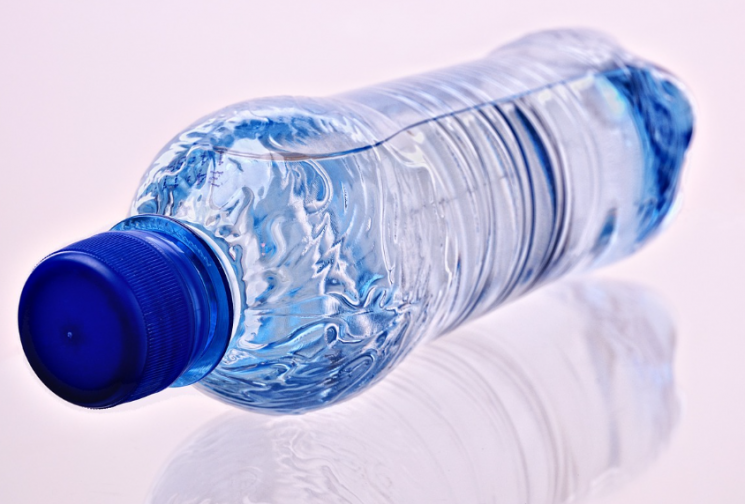
The researchers also emphasized that long-term exposure to microplastics and nanoplastics could lead to a variety of chronic health issues, including respiratory diseases, reproductive problems, neurotoxicity, and carcinogenicity. They pointed out the lack of standardized testing methods and insufficient regulations, stressing the urgent need for more comprehensive and robust regulations, increased public awareness, and further research.
© The Asia Business Daily(www.asiae.co.kr). All rights reserved.
![Clutching a Stolen Dior Bag, Saying "I Hate Being Poor but Real"... The Grotesque Con of a "Human Knockoff" [Slate]](https://cwcontent.asiae.co.kr/asiaresize/183/2026021902243444107_1771435474.jpg)


















